
Musakhan is a traditional Palestinian dish made with roasted chicken, caramelized onions, fragrant sumac, extra virgin olive oil, and taboon bread. Widely recognized as Palestine’s national dish, Musakhan is celebrated for its rich flavor, simple ingredients, and deep connection to Palestinian culture, agriculture, and hospitality, with chicken musakhan often serving as a centerpiece.
For generations, Palestinian families have prepared Musakhan during gatherings, celebrations, and seasonal olive harvests, making it one of the most important dishes in Palestinian cuisine, especially when featuring chicken breast as the main protein.
What Is Musakhan?
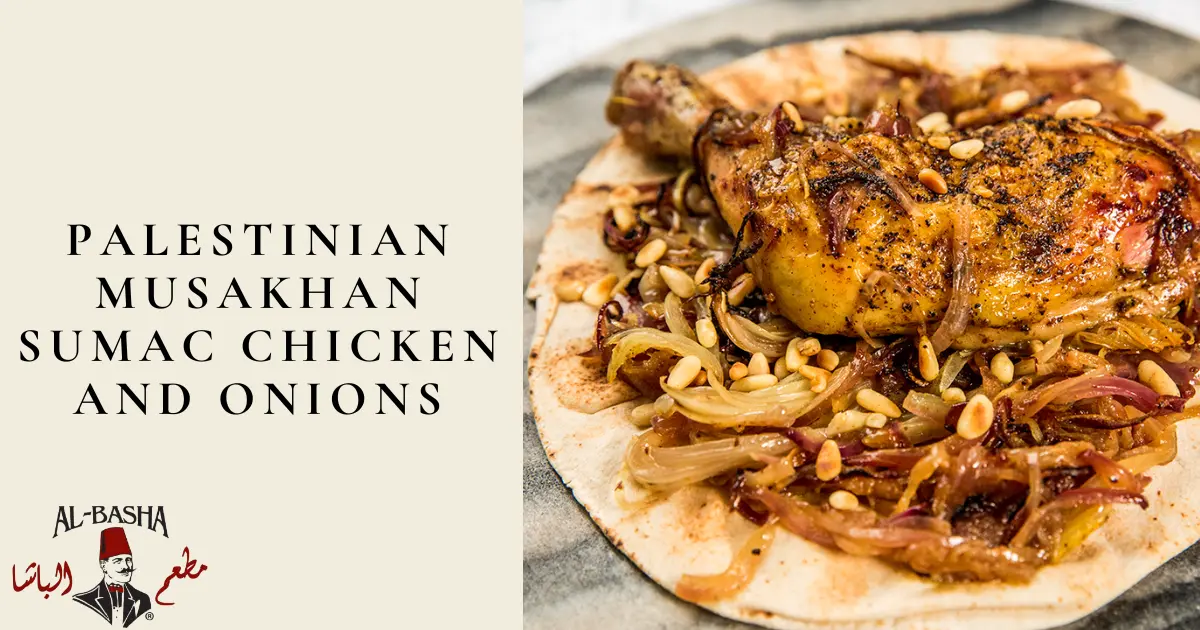
Musakhan is a classic Palestinian chicken dish consisting of roasted chicken served over traditional taboon bread and topped with sumac chicken and onions slowly cooked in olive oil. The dish is often finished with toasted pine nuts or almonds for added texture and flavor.
Unlike many Middle Eastern chicken recipes that rely on complex spice blends, Musakhan focuses on a few high-quality ingredients that work together to create a distinctive balance of savory, tangy, and earthy flavors.
Today, Musakhan is considered one of the most recognizable dishes in Palestinian cuisine and is enjoyed throughout the Levant, often served on flatbread and paired with chicken and onions, sometimes featuring a drizzle of sumac for added zest.
The Origin of Musakhan
The origins of Musakhan can be traced to rural Palestinian villages, particularly in regions known for olive cultivation. Historians and food researchers widely associate the dish with the annual olive harvest season, when families would celebrate freshly pressed olive oil by incorporating it into traditional meals, often adding the onions for enhanced flavor.
Because olive oil plays a central role in Palestinian agriculture, Musakhan became more than just a meal; it symbolizes the connection to the land and the importance of chicken thighs in its preparation. It evolved into a symbol of local identity, family traditions, and the agricultural heritage of Palestine.
Many culinary experts consider Musakhan one of the best examples of how Palestinian cuisine transforms simple local ingredients, such as chicken and onions, into deeply flavorful dishes.
Why Is Musakhan Considered Palestine’s National Dish?
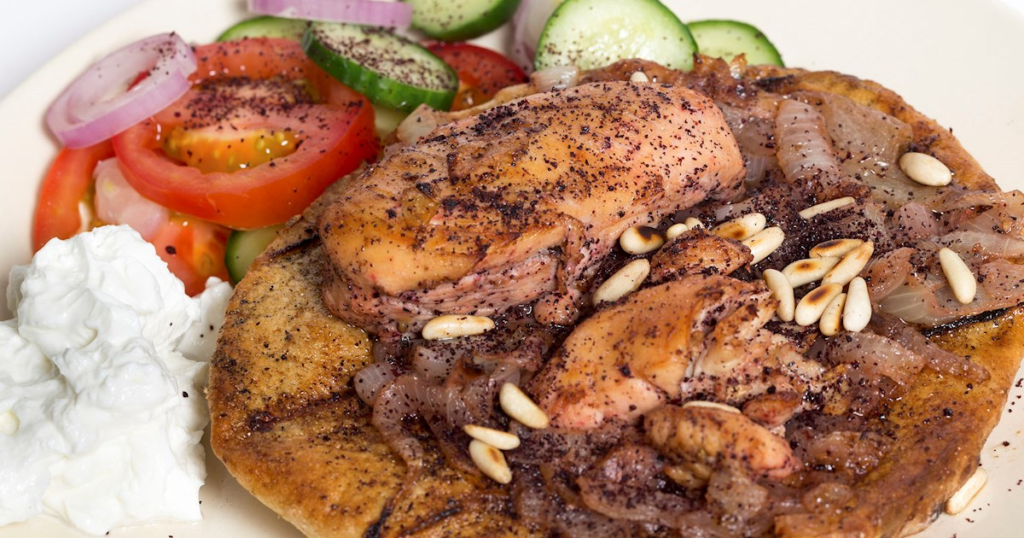
Many countries have a signature dish that reflects their culture and history. For Palestine, Musakhan holds that distinction.
Several factors contribute to its status as the Palestinian national dish:
Deep Historical Roots
Musakhan has been prepared for generations and remains closely connected to Palestinian family traditions.
Use of Local Ingredients
The dish highlights ingredients commonly produced in Palestine, including olive oil, onions, chicken, bread, and sumac.
Connection to Olive Harvest Season
Musakhan is strongly associated with olive farming, one of the most important aspects of Palestinian agriculture.
Symbol of Hospitality
Serving Musakhan to family members and guests reflects the values of generosity and hospitality that are central to Palestinian culture.
What Ingredients Are Used in Traditional Musakhan?
A traditional Musakhan recipe typically includes chicken legs, yellow onions, and a blend of spices such as allspice and cumin.
- Chicken (whole or cut into pieces)
- Large onions are a key ingredient in Musakhan, complementing the piece of chicken that sits atop the dish.
- Extra virgin olive oil
- Sumac spice
- Taboon bread
- Pine nuts or almonds can be sprinkled on top of dishes like Musakhan for added flavor and texture.
- Salt enhances the flavor of sumac chicken and caramelized onions in Musakhan.
- Black pepper is often used to enhance the flavor profile of spiced chicken dishes like Musakhan.
The simplicity of these ingredients is one reason Musakhan remains popular today. Each ingredient contributes to the dish’s distinctive flavor and cultural authenticity.
What Makes Sumac So Important in Musakhan?
One of the defining ingredients in Musakhan is sumac, a deep red spice commonly used throughout Levantine cuisine.
Sumac provides a bright, citrus-like tanginess that balances the sweetness of caramelized onions and the richness of olive oil, making it essential for the flavor of Palestinian sumac chicken, especially when you season the chicken properly. Its flavor is often compared to lemon but with a more earthy and complex character, reminiscent of the sweetness of the onions used in Musakhan.
Without sumac, Musakhan would lose much of the flavor profile that makes it unique among traditional Middle Eastern dishes, especially in its role in enhancing the chicken cooking process and seasoning the chicken.
What Does Musakhan Taste Like?
People trying Musakhan for the first time often describe it as rich, comforting, and surprisingly balanced.
The roasted chicken delivers savory depth, while the onions become sweet and tender after slow cooking. Sumac adds a pleasant tartness that cuts through the richness of the olive oil, creating layers of flavor in every bite, especially when you arrange the chicken pieces thoughtfully.
The bread absorbs the olive oil and onion mixture, making it one of the most flavorful components of the dish, especially with the addition of sumac chicken.
How Is Musakhan Traditionally Prepared?
While family recipes vary, the traditional preparation of Palestinian Musakhan generally follows these steps:
Step 1: Cook the Onions
Large quantities of yellow onions are slowly cooked in olive oil until soft and caramelized, creating a rich base for the dish.
Step 2: Season with Sumac
The onions are mixed with generous amounts of sumac to create Musakhan’s signature flavor, which pairs beautifully with sumac chicken and enhances the chicken juices.
Step 3: Roast the Chicken
The chicken is seasoned and roasted until golden brown and tender.
Step 4: Prepare the Bread
Taboon bread is layered with the onion and olive oil mixture.
Step 5: Assemble and Serve
The roasted chicken pieces are placed over the bread and topped with toasted nuts before serving.
The result is a dish that showcases the best qualities of Palestinian home cooking, particularly the way it highlights the onions and chicken.
Musakhan and Palestinian Culinary Heritage
Within Palestinian cuisine, Musakhan represents far more than a traditional recipe; it is often enjoyed as a communal dish featuring chicken on top.
The dish reflects:
- Strong family traditions
- Agricultural heritage plays a crucial role in the cultivation of ingredients like olive oil and sumac, which are essential to Palestinian cuisine.
- Community gatherings
- Olive cultivation
- Regional food identity
For many Palestinians, preparing Musakhan with whole chicken and fresh ingredients is a way of preserving cultural traditions and passing culinary knowledge from one generation to the next, often including a touch of allspice for depth.
As Palestinian cuisine gains international recognition, Musakhan continues to serve as an ambassador for the region’s rich food culture.
Nutritional Benefits of Musakhan
Musakhan contains several ingredients that can contribute to a balanced diet:
Chicken
Provides high-quality protein and essential nutrients.
Olive Oil
Musakhan contains heart-healthy monounsaturated fats and antioxidants, especially from the olive oil and sumac used in its preparation.
Onions
Offer beneficial plant compounds and antioxidants.
Sumac
Contains natural antioxidants and has been traditionally valued in regional cooking for centuries.
When prepared with fresh ingredients, Musakhan can be both satisfying and nutritious, especially when served with a side of juice to complement the meal.
Can You Make Musakhan at Home?
Yes. Many home cooks prepare Musakhan using ingredients available outside the Middle East, including chicken pieces and sumac.
While authentic taboon bread may not always be accessible, pita bread or similar flatbreads can be used as alternatives. However, high-quality olive oil and authentic sumac remain essential for achieving traditional flavor.
The key to a successful Musakhan recipe is patience, especially when allowing the onions to caramelize over medium heat. Slowly cooked onions and generous use of olive oil help create the dish’s signature texture and taste, while a sprinkle of cumin can elevate the flavor profile.
Musakhan vs. Maqluba: What’s the Difference?
Musakhan and Maqluba are both iconic Palestinian dishes, but Musakhan is often considered the national dish of Palestine due to its unique use of sumac and chicken.
It is built around roasted chicken, onions, sumac, olive oil, and bread.
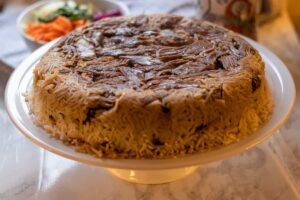
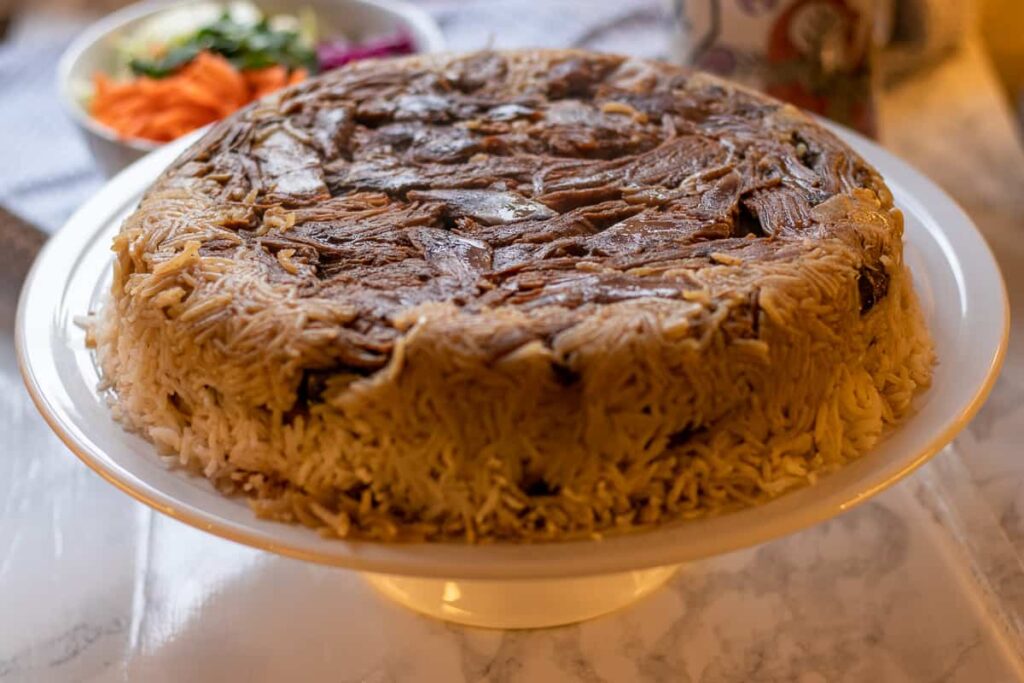
Maqluba is a layered rice dish prepared with meat, vegetables, and aromatic spices such as allspice before being flipped upside down when served.
While both dishes are beloved throughout Palestine, Musakhan is more commonly recognized as the national dish because of its strong connection to olive oil and Palestinian agricultural traditions.
Final Thoughts
Musakhan is much more than a chicken dish. It is a symbol of Palestinian culture, hospitality, and agricultural heritage. Made with roasted chicken, taboon bread, olive oil, onions, and sumac, it represents generations of culinary tradition. It remains one of the most respected dishes in Palestinian cuisine, often enjoyed as musakhan rolls.
Its history, cultural significance, and unforgettable flavor continue to introduce people around the world to the richness of Palestinian food and the enduring legacy of Middle Eastern cooking, particularly through dishes like sumac chicken and caramelized onions.
Frequently Asked Questions
What is Musakhan made of?
Musakhan is made from chicken, onions, olive oil, sumac, and traditional taboon bread.
Why is Musakhan Palestine’s national dish?
It reflects Palestinian history, agricultural traditions, olive cultivation, and family hospitality.
What does Musakhan taste like?
Musakhan has a rich, savory flavor balanced by sweet onions and the tangy citrus notes of sumac, especially when paired with chicken and potatoes.
Is Musakhan healthy?
Musakhan contains protein from chicken, healthy fats from olive oil, and antioxidants from onions and sumac.
Can Musakhan be made without taboon bread?
Yes. Pita bread or other flatbreads can be used when traditional taboon bread is unavailable, making it easier to enjoy the chicken on top.