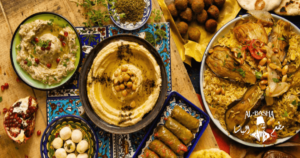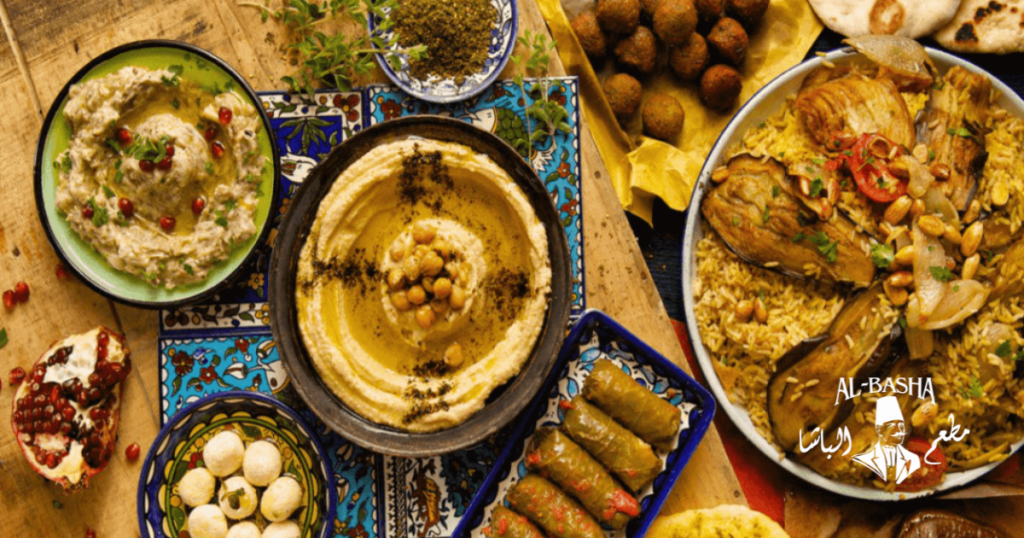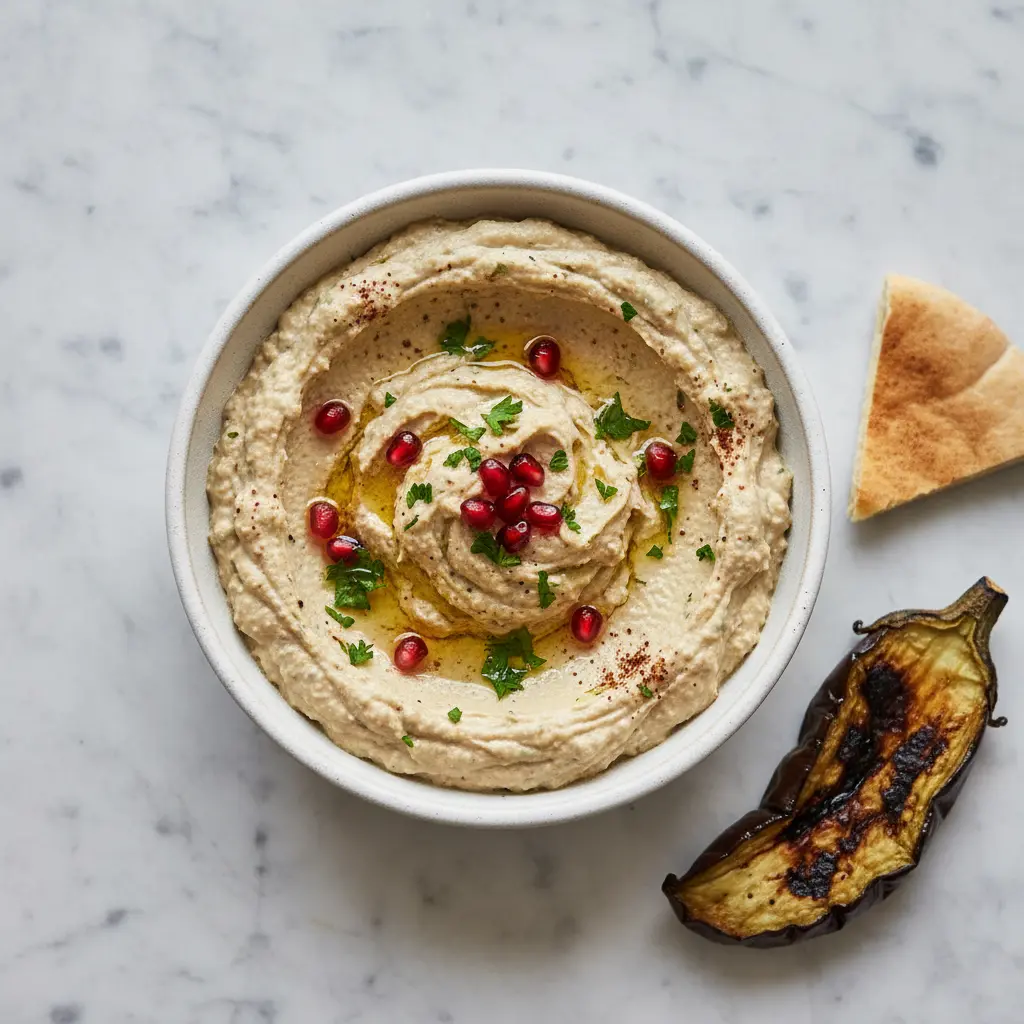
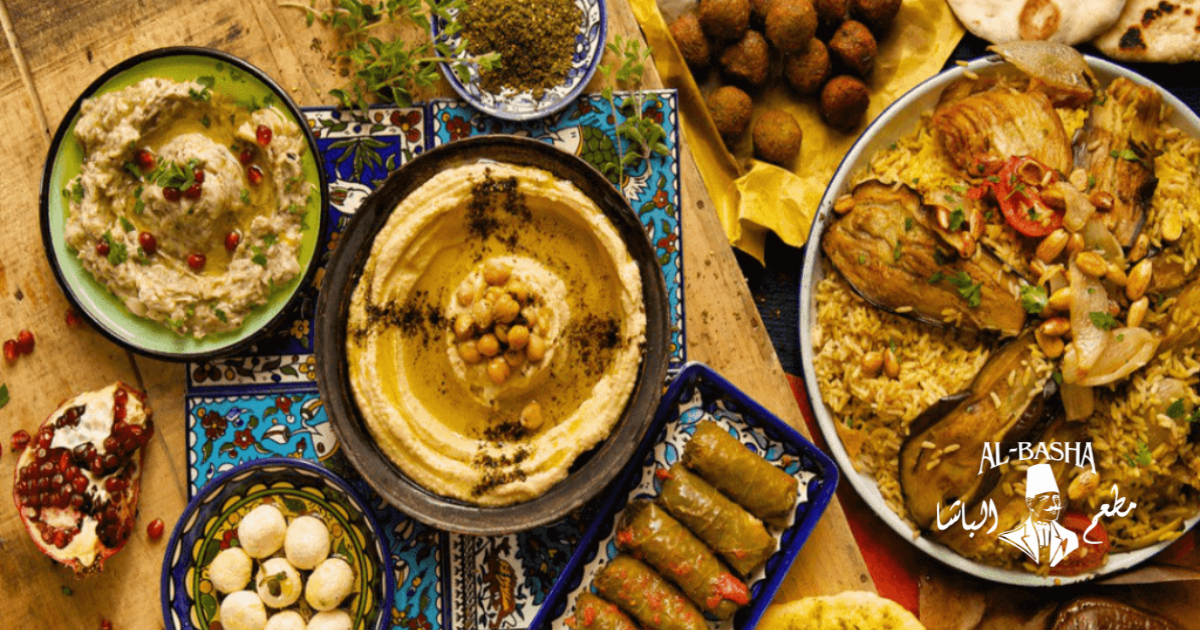

Palestinian breakfast is a flavorful way to start the day, bringing together fresh bread, creamy dips, olive oil, vegetables, cheeses, herbs, and other traditional foods. Rather than being centered around one single dish, a traditional Palestinian breakfast often includes several foods served together so everyone at the table can share and enjoy different flavors.
From hummus and labneh to falafel, olives, fresh vegetables, and warm pita bread, Palestinian breakfast food reflects the ingredients and culinary traditions found across Palestine. Many of these foods are also enjoyed throughout the wider Middle Eastern region, while each household and community may have its own way of preparing and serving them.
For anyone discovering Palestinian cuisine for the first time, breakfast offers a simple introduction to the combination of fresh ingredients, warm bread, savory dishes, and communal dining that makes this cuisine distinctive.
What Is a Traditional Palestinian Breakfast?
A traditional Palestinian breakfast is generally a collection of savory foods served together rather than one fixed meal. The table may include dips, breads, vegetables, olives, cheese, eggs, and other prepared dishes.
Bread plays an important role. Warm pita can be used to scoop hummus, labneh, or other dips, making the meal interactive and easy to share.
A Palestinian breakfast may also include:
- Hummus
- Labneh
- Falafel
- Pita bread
- Olives
- Fresh tomatoes and cucumbers
- Cheese
- Za’atar
- Olive oil
- Eggs
- Fava beans and other traditional preparations
The exact combination can vary depending on the household, region, occasion, and personal preference.
If you are new to Palestinian cuisine, learning about what Palestinian food is famous for is a useful starting point because breakfast is closely connected to the broader food traditions of Palestine.
Popular Palestinian Breakfast Foods
There is no single list that represents every Palestinian breakfast table. However, several foods appear frequently in traditional and modern interpretations of Palestinian breakfast.
Hummus
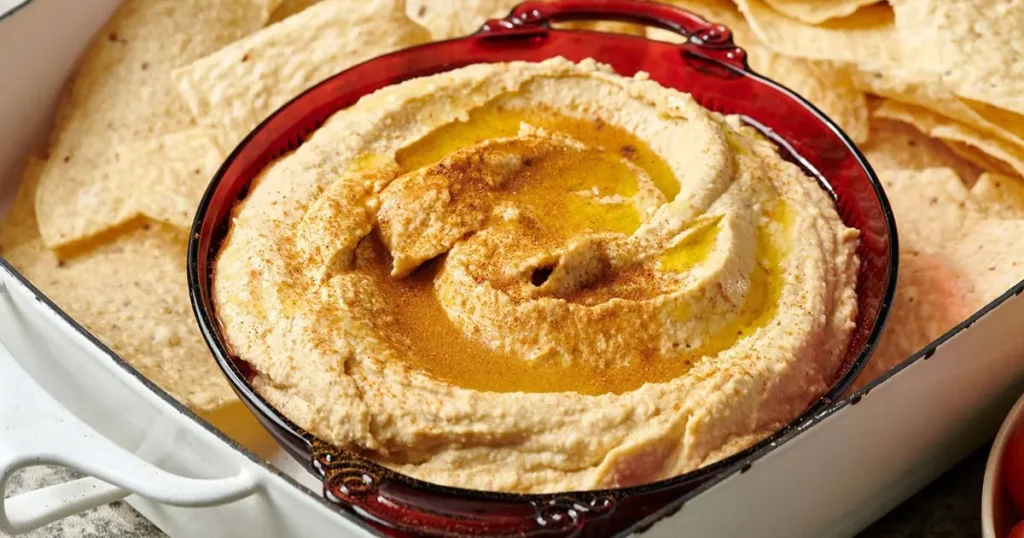
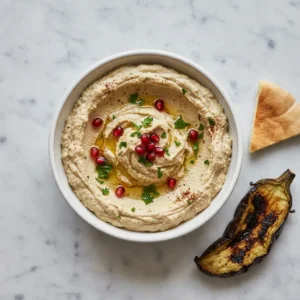
Hummus is one of the most recognizable foods associated with Palestinian and Middle Eastern cuisine. It is commonly made from chickpeas and tahini and served as a creamy dip or spread.
At breakfast, hummus can be served with warm pita bread, olive oil, vegetables, and other small dishes. It can also be part of a larger spread where several foods are placed in the center of the table.
If you want to understand the classic combination of these two foods, you can also explore hummus and pita bread.
Labneh
Labneh is a thick, creamy strained yogurt traditionally served as part of a Middle Eastern breakfast or mezze-style meal. It can be enjoyed with olive oil, herbs, olives, and bread.
Its mild and creamy character makes it a natural accompaniment to stronger flavors on the breakfast table.
Labneh can be served simply or incorporated into a larger selection of small dishes. The way it is presented often depends on the restaurant or household preparing the meal.
Falafel
Falafel is another popular food found across Palestinian and Middle Eastern cuisine. These crispy fritters are traditionally made from ground legumes combined with herbs and spices before being shaped and cooked.
Falafel can be eaten on its own, with dips and vegetables, or inside pita bread.
For readers interested in the dish itself, what is falafel explains more about this widely enjoyed Middle Eastern food.
Falafel also works well as part of a breakfast spread because it can be served alongside hummus, vegetables, pickles, and bread.
Pita Bread
Fresh pita bread is an important part of many Palestinian breakfast meals. It can be used to scoop dips, wrap falafel, or accompany other foods on the table.
Warm bread also makes a selection of smaller dishes feel like one complete meal. Instead of serving every item separately, diners can combine different ingredients according to their preferences.
Olives and Olive Oil
Olives and olive oil have a longstanding place in Palestinian food traditions. They may be served alongside bread, cheese, dips, or vegetables.
Olive oil can also be drizzled over dishes such as labneh or used with herbs and bread.
The importance of olive oil extends beyond breakfast. It is also an important part of traditional cooking and food preparation across the region, as explored in the role of olive oil in traditional Mediterranean kitchens.
Fresh Vegetables
Fresh vegetables such as tomatoes and cucumbers are commonly served alongside breakfast dishes. Their crisp texture provides a fresh contrast to creamy dips, bread, cheese, and cooked foods.
Because breakfast may involve several smaller dishes, vegetables can also help add variety to the table without requiring complicated preparation.
Palestinian Breakfast Food and the Tradition of Sharing
One of the most enjoyable aspects of a Palestinian breakfast is the way food can be shared.
Rather than giving every person one identical plate, several dishes can be placed in the middle of the table. Diners then take portions of different foods and combine them with bread.
This style of dining is also common across Middle Eastern cuisine. A table might contain hummus, labneh, falafel, vegetables, olives, bread, and other small dishes at the same time.
This makes breakfast more than simply a quick meal. It can become a social experience where family and friends sit together, share food, and spend time around the table.
The same approach can be seen in other Palestinian and Middle Eastern dishes. For example, what to serve with falafel provides ideas for combining falafel with other foods and accompaniments.
What Is Palestine Breakfast Like?
When people search for “Palestine breakfast,” they are often looking for the foods traditionally eaten in Palestinian households rather than one specific recipe.
A typical Palestinian breakfast can be simple or extensive.
A lighter table might include:
- Pita bread
- Olives
- Labneh
- Cheese
- Fresh vegetables
- Olive oil
- Za’atar
A larger breakfast might include several additional dishes such as hummus, falafel, eggs, beans, and other savory preparations.
The important point is that there is no universal Palestinian breakfast menu. Food traditions can vary between families and communities, and breakfast can change depending on what is available and what people enjoy.
Is Palestinian Breakfast the Same as Middle Eastern Breakfast?
There is considerable overlap between Palestinian breakfast and breakfasts served in other parts of the Middle East. Foods such as hummus, falafel, pita, olives, labneh, and vegetables are enjoyed across multiple countries and culinary traditions.
However, that does not mean every Middle Eastern breakfast is identical.
Each food culture has its own combinations, preparation methods, ingredients, and traditions. Palestinian cuisine has its own identity and includes dishes and preparations that reflect the country’s culinary history and regional traditions.
For a broader comparison, Mediterranean vs. Middle Eastern food explains some of the differences between these commonly overlapping food categories.
You can also explore 7 Middle Eastern foods you must try to see how Palestinian breakfast foods fit into the wider culinary landscape.
Palestinian Breakfast in Paterson, NJ
For people in Paterson, New Jersey, exploring Palestinian food can be a way to experience these traditional flavors without traveling overseas.
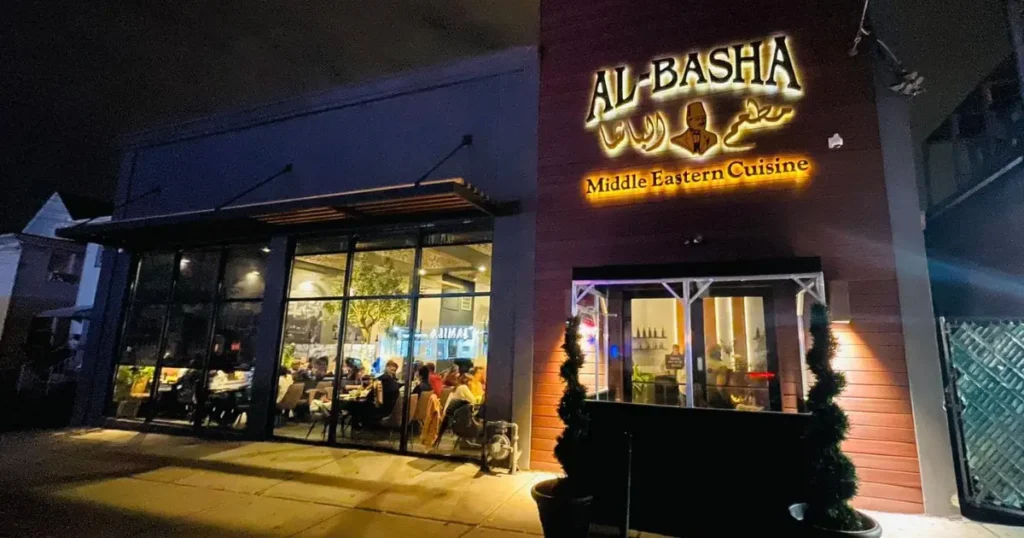
Al-Basha brings Palestinian food traditions to Paterson through its restaurant menu, including dishes that reflect the flavors and ingredients associated with Palestinian and Middle Eastern cuisine.
The restaurant has a takeout and delivery location at 1076 Main St, Paterson, NJ, while its dine-in location is at 387 Crooks Ave, Paterson, NJ.
If you are looking for Palestinian or Middle Eastern food in the area, you can explore the Al-Basha menu to see the available dishes before visiting or ordering.
For takeout or delivery, the Al-Basha takeout and delivery page provides more information about ordering options.
What Should You Try First?
If Palestinian cuisine is new to you, starting with familiar dishes can make the experience easier.
A combination of hummus, pita bread, falafel, fresh vegetables, olives, and labneh gives you an opportunity to experience several different textures and flavors in one meal.
You can also explore other traditional dishes as you become more familiar with the cuisine. For example, Musakhan, one of Palestine’s best-known dishes, offers another perspective on Palestinian culinary traditions beyond breakfast.
If you are visiting Al-Basha with a group, ordering several dishes to share can also be a practical way to try more than one item.
Why Palestinian Breakfast Is Worth Exploring
Palestinian breakfast demonstrates how a meal can be built from simple ingredients while still offering plenty of variety.
Fresh bread, creamy dips, olives, vegetables, herbs, cheese, and cooked dishes can all come together on one table. Instead of focusing on a single centerpiece, the meal allows diners to taste several foods and create different combinations with each bite.
For people discovering Palestinian cuisine, breakfast is an accessible introduction to the flavors and traditions that continue throughout the rest of the cuisine.
Whether you are searching for Palestinian breakfast, Palestine breakfast, or simply want to discover new Palestinian breakfast food, exploring a variety of traditional dishes is one of the easiest ways to understand what makes this cuisine so enjoyable.
At Al-Basha, guests in Paterson can explore Palestinian and Middle Eastern flavors in a restaurant setting, whether dining in or ordering food for takeout and delivery.
Frequently Asked Questions
What is a traditional Palestinian breakfast?
A traditional Palestinian breakfast can include hummus, labneh, pita bread, olives, fresh vegetables, cheese, falafel, za’atar, olive oil, and other savory foods. The exact combination varies between households and occasions.
What do Palestinians eat for breakfast?
Palestinian breakfast foods can include hummus, labneh, falafel, pita bread, olives, vegetables, cheese, eggs, and other traditional dishes. Breakfast may consist of several foods served together rather than one main dish.
Is hummus a Palestinian breakfast food?
Yes. Hummus is commonly enjoyed as part of breakfast and can be served with pita bread, vegetables, olives, and other dishes.
What bread is traditionally eaten with Palestinian breakfast?
Pita bread is commonly served with Palestinian breakfast foods. It can be used to scoop dips such as hummus and labneh or to accompany other dishes.
Is falafel eaten for breakfast in Palestine?
Yes. Falafel can be served as part of breakfast alongside foods such as hummus, vegetables, pita bread, and other accompaniments.
What is the difference between Palestinian breakfast and Middle Eastern breakfast?
There is significant overlap because many foods are enjoyed across the Middle East. However, Palestinian cuisine has its own culinary traditions, dishes, combinations, and regional influences.
Where can I find Palestinian breakfast food in Paterson, NJ?
Al-Basha serves Palestinian and Middle Eastern cuisine in Paterson, New Jersey. The restaurant has a dine-in location at 387 Crooks Ave and a takeout and delivery location at 1076 Main St.