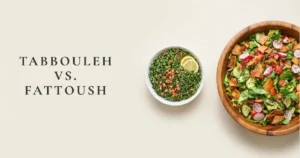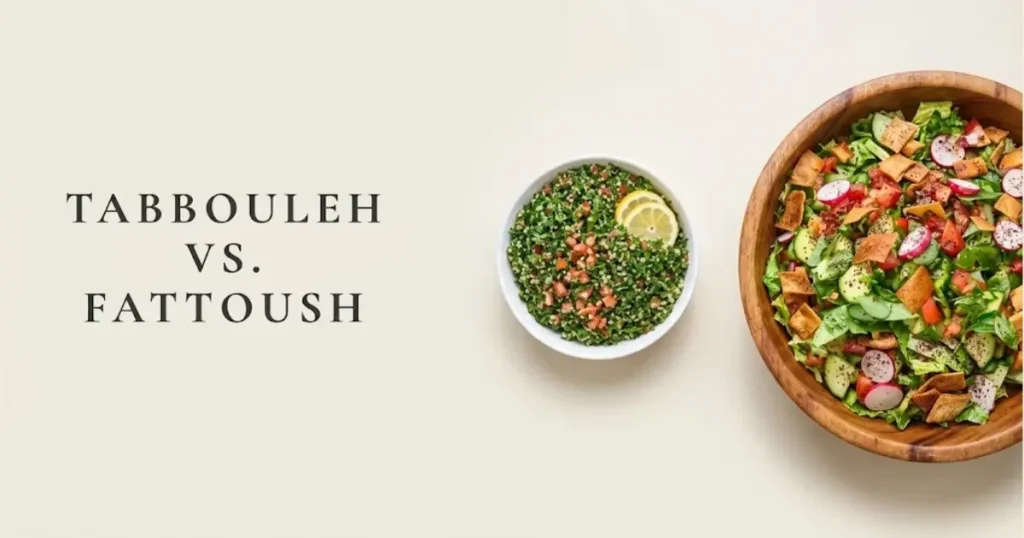
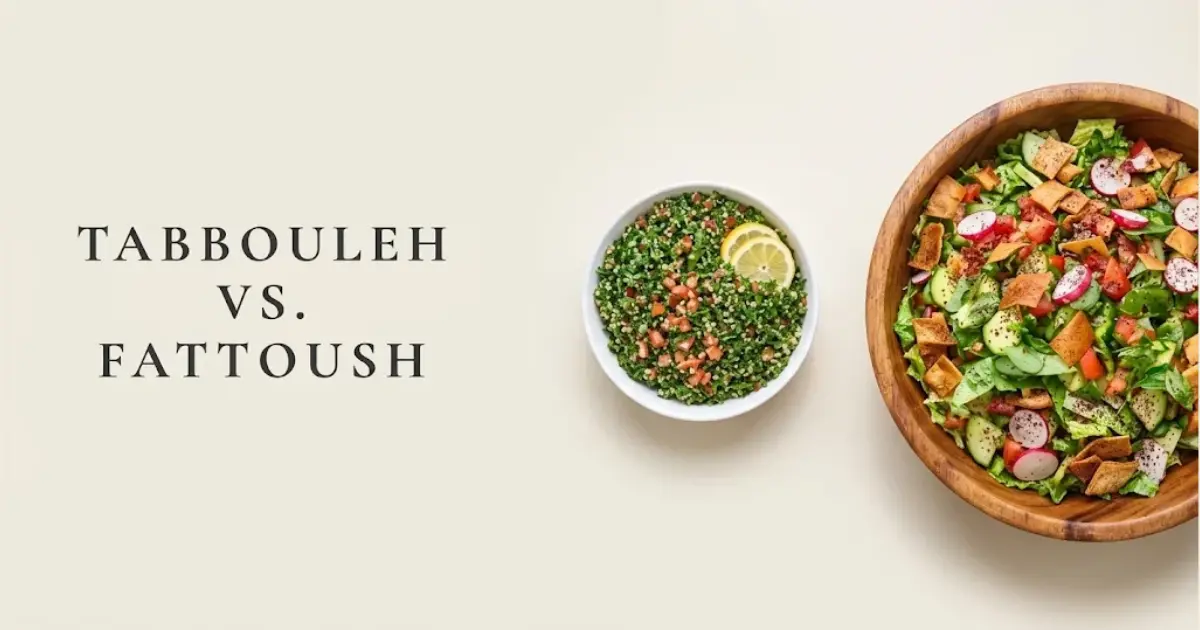

Tabbouleh vs. fattoush comes down to texture and base. Tabbouleh is a finely chopped parsley salad with bulgur wheat, tomato, mint, and a lemon and olive oil dressing. Fattoush is a chunkier bread salad made with toasted or fried pita, mixed greens, and sumac, which gives it a tangy edge. Tabbouleh is herb-forward and fine, while fattoush is crisp, rustic, and sour.
Both salads come from the Levant, the region that includes Lebanon, Syria, Jordan, and Palestine. If you are choosing between them at Al-Basha in Paterson, NJ, or making one at home, this guide covers what goes into each, how they are made, where they come from, and which one fits your meal. By the end, you’ll know:
- What goes into each salad
- How each one is prepared
- Where each one comes from
- Which salad to pick for your meal
What Is Tabbouleh?
Tabbouleh is a Levantine salad of finely chopped parsley, soaked bulgur, tomatoes, mint, and onion. It is seasoned with olive oil, lemon juice, and salt, and it is served cold. The name comes from an Arabic word meaning seasoning, and the salad is one of the most popular Arab salads.
Tabbouleh is a vegetarian dish that usually sits on a mezze table with other small plates. Bulgur is cracked wheat, so the dish is not gluten-free. Traditional Levantine versions use more parsley than bulgur, while many Western versions reverse that ratio. Our guide to how mezze is ordered and shared explains the table format in more detail.
What Is Fattoush?
Fattoush is a Lebanese salad made from toasted or fried pieces of khubz, an Arabic flatbread, mixed with greens and vegetables such as radishes and tomatoes. Sumac gives it a sour taste, and some recipes add pomegranate molasses.
Fattoush belongs to a family of dishes called fattat, which use stale flatbread as a base. The name is generally linked to the Arabic word fatt, meaning crush, which describes the torn bread. The bread can be fried, toasted, or even stale, and that flexibility is part of the dish’s history.
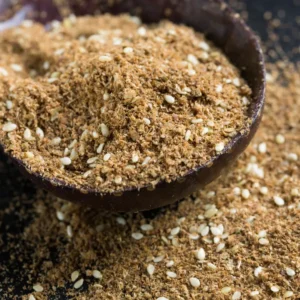
Sumac is the sour spice in fattoush, and it is also a key part of many za’atar blends. Our za’atar guide explains how the blend is built and where it fits.
Tabbouleh vs. Fattoush: Key Differences
The biggest difference is the base. Tabbouleh is built on herbs and bulgur, while fattoush is built on bread and greens. The table below compares the two side by side.
| Feature | Tabbouleh | Fattoush |
| Main base | Finely chopped parsley | Toasted or fried flatbread, usually pita |
| Grain | Bulgur wheat | No added grain; bread is the base |
| Cut of vegetables | Very finely chopped | Larger, chunkier pieces |
| Greens and herbs | Parsley and mint | Mixed greens such as romaine, plus herbs |
| Dressing | Lemon juice, olive oil, and salt | Lemon and olive oil, with sumac |
| Flavor and texture | Fresh, herbal, soft | Tangy, crisp, rustic |
| Gluten | Not gluten-free, because bulgur is wheat | Not gluten-free with regular pita |
Tabbouleh is the herb-forward salad, and fattoush is the bread salad with crunch. If you want something fresh and green, pick tabbouleh. If you want contrast and crunch, pick fattoush.
How Tabbouleh and Fattoush Are Made
Both salads can be made in under an hour. Tabbouleh needs more chopping, while fattoush depends on frying or toasting the bread well.
How to make tabbouleh
- Finely chop the parsley and mint. This takes the most time, and it sets the texture of the whole salad.
- Soak the bulgur until tender, then squeeze out the extra water with a clean towel.
- Dice the tomato and onion small, then combine them with the bulgur and herbs.
- Dress with lemon juice, olive oil, and salt. Taste and adjust before serving.
How to make fattoush
- Toast or fry torn pieces of pita until golden and crisp.
- Cut the cucumber, tomato, radish, and onion into larger bite-size pieces.
- Whisk lemon juice, olive oil, and sumac into a dressing. Some cooks add pomegranate molasses.
- Toss the greens and vegetables with the dressing, then add the bread at the last minute so it stays crisp.
Tabbouleh often tastes better after an hour or two in the fridge. Fattoush should be dressed just before serving.
Where Tabbouleh and Fattoush Come From
Both salads come from the Levant. Tabbouleh is most often linked to Lebanon and Syria, and its name comes from an Arabic word meaning seasoning. Fattoush is a Lebanese salad in the Levantine tradition, and similar bread salads appear across Palestine, Jordan, and Syria.
The two salads also differ in how their ingredients are balanced. Traditional Levantine tabbouleh uses more herbs than bulgur, while many versions outside the region use more bulgur. Tabbouleh is also served as a cold salad in Palestinian cooking, and it appears in both Palestinian and Levantine cuisine.
Fattoush has a thrifty origin. It belongs to a family of dishes that use stale flatbread, so it turns day-old bread into a fresh salad. L’Orient Today describes tabbouleh as a favorite salad in Lebanon, which may not please fattoush fans.
Which Salad Fits Your Meal?
Pick tabbouleh when the main dish is rich or smoky, because its herbs and lemon cut through the heavier flavors. Pick fattoush when you want crunch next to soft dishes, because the fried bread and sumac add contrast.
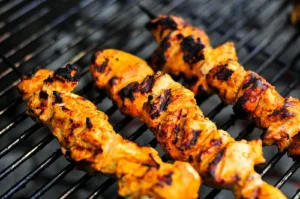
- Grilled meats: Tabbouleh’s fresh herbs balance grilled meat. Our chicken shish taouk guide covers the marinade behind a grilled chicken platter that pairs well with either salad.
- Dips and mezze: Fattoush adds crunch beside creamy dips. Our baba ganoush vs hummus comparison explains the dips that often share the same table.
- Falafel: Both salads suit falafel, and our guide to what to serve with falafel covers more side options.
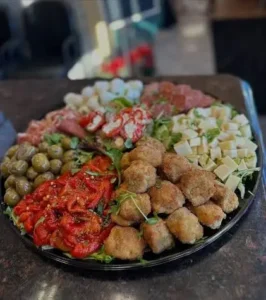
- Shared tables: Both salads fit a family-style spread. Our article on family-style Middle Eastern dining in Paterson, NJ explains how shared plates work at a table.
Which Salad Should You Order?
Choose based on what you want from the bite and whether you need to avoid wheat.
- Choose tabbouleh if you want a herb-forward salad with a soft texture, and wheat is not a problem for you.
- Choose fattoush if you want crisp bread, tangy sumac, and a salad that stands up well next to grilled meat or dips.
- Check gluten before you order. Tabbouleh contains bulgur, so it is not gluten-free. Fattoush can be made without pita or with gluten-free bread, so ask how the kitchen prepares it.
The current salads and sides are listed on our menu. If you have an allergy or a specific dietary need, contact us before you order, or ask our team at the Crooks Ave dine-in location.
FAQs
What is the difference between tabbouleh and fattoush?
Tabbouleh is a parsley and bulgur salad with finely chopped herbs and tomato. Fattoush is a bread salad with toasted or fried pita, larger vegetable pieces, and a sumac dressing. The base and the texture are the main differences.
Is tabbouleh the same as fattoush?
No. The two share Levantine roots and some vegetables, but tabbouleh is built on parsley and bulgur, while fattoush is built on bread. Menus sometimes list both as sides, so the names can cause confusion.
What is fattoush made of?
Fattoush is made with toasted or fried pita, mixed greens, cucumber, tomato, radish, and onion. It is dressed with lemon, olive oil, and sumac, and some cooks add pomegranate molasses.
Is tabbouleh healthy?
Tabbouleh is built mostly on herbs and vegetables, with bulgur and olive oil. That makes it a fresh side, but portion size and the amount of oil still matter.
Is fattoush gluten-free?
Not with regular pita. Fattoush can be made gluten-free with gluten-free bread or without bread, so ask how the kitchen prepares it if you have a gluten sensitivity.
Is tabbouleh gluten-free?
Usually not, because bulgur is a wheat product. Some cooks replace bulgur with quinoa, but check the ingredients before you order.
Is tabbouleh Lebanese or Palestinian?
It is a Levantine dish. Lebanon and Syria are most often linked to its origin, and it appears in both Palestinian and Levantine cuisine as a cold salad.