
Baba ganoush starts from roasted eggplant and hummus starts from chickpeas, and that one swap drives every difference between them. Baba ganoush comes out smokier, lighter and lower in carbs. Hummus comes out creamier, more filling and higher in protein. Reach for baba ganoush when you want a smoky low-carb dip, hummus when you want a hearty protein-rich one, or put both on a mezze plate and stop choosing.
Most people treat these two as the same thing in different bowls. They are not. They share almost every supporting ingredient, tahini, lemon, garlic, olive oil and salt, but the base changes everything about how they taste, what they do for you and when to eat them. Here is the full breakdown.
Baba Ganoush vs Hummus at a Glance
| Baba Ganoush | Hummus | |
| Base | Roasted eggplant | Chickpeas |
| Taste | Smoky, tangy, light | Creamy, nutty, rich |
| Texture | Rustic, slightly chunky | Smooth, silky |
| Carbs | Lower | Higher |
| Protein | Lower | Higher |
| Best for | Low-carb eating, smoky flavor | Protein, a filling snack |
What is Baba Ganoush?
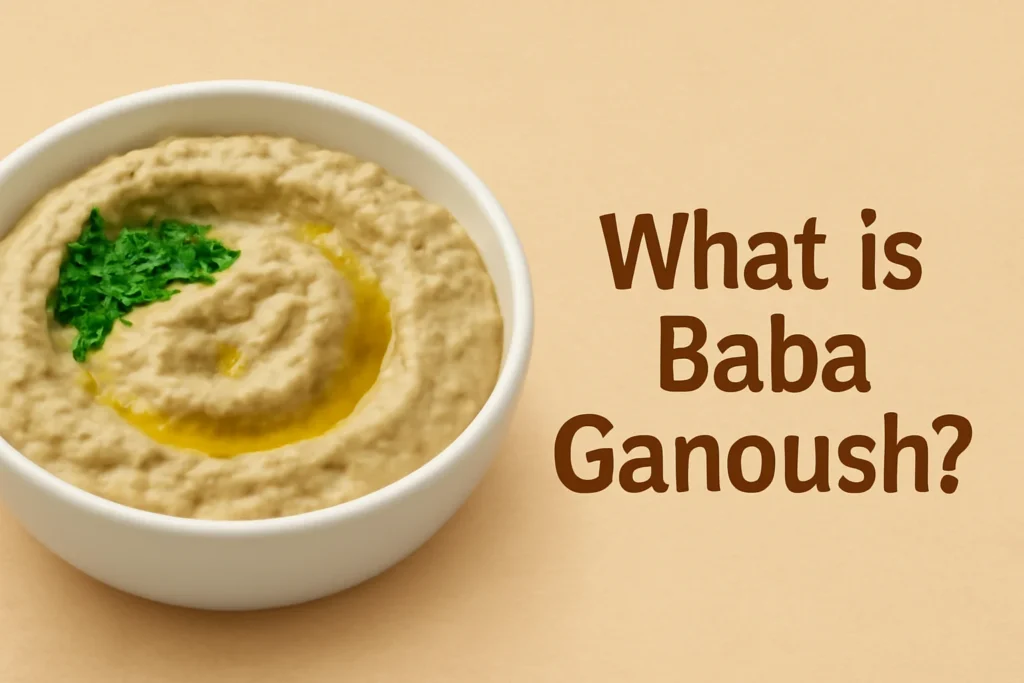
Baba ganoush is a smoky eggplant dip. You roast or char the eggplant until the inside turns soft, then blend that flesh with tahini, olive oil, lemon and garlic. It grew up in the Levant and Egypt, and the recipe shifts from kitchen to kitchen, with some cooks folding in yogurt, parsley or pomegranate. People often call it the smokier cousin of hummus, and the label fits.
Why It Is Called Baba Ganoush
In Arabic, baba means father and ganoush means to spoil. The origin stories don’t agree. One tells of an old man devoted to the dish. Another ties it to a gifted elder or priest who received it among his gifts. A third credits a sultan who could not get enough. They land in the same spot. Someone loved this eggplant dip enough to name it after him.
Health Benefits of Baba Ganoush
The roasted eggplant that anchors baba ganoush is rich in antioxidants and fiber, including a compound called nasunin found in the skin. Eating it is linked to several benefits:
- Steadier blood sugar
- Lower blood pressure
- Better heart health
- Easier weight managemen
The tahini and olive oil add healthy fats on top, so a scoop does more than just taste good.
How to Serve Baba Ganoush in Everyday Meals
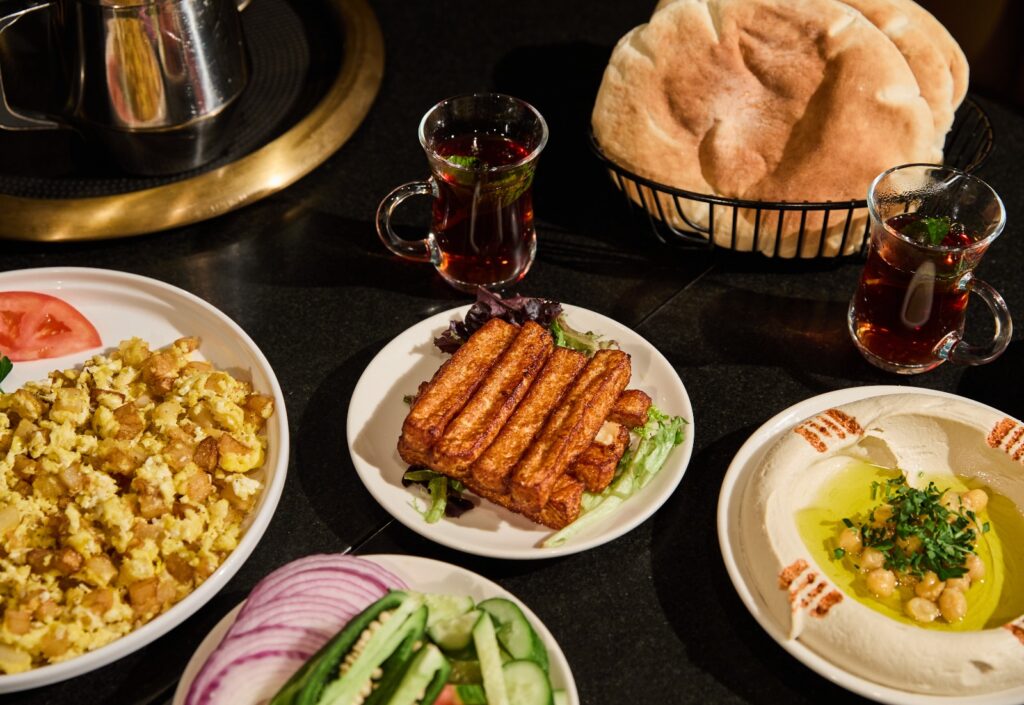
Baba ganoush does more than sit on a mezze plate. Spread it into a wrap or sandwich in place of mayonnaise for a smoky, lighter swap. Spoon it over grilled chicken or fish for instant depth. Build a grain bowl on top of it with quinoa, roasted vegetables and olives. Even breakfast works, with a scoop beside your eggs so they are not sitting there plain.
What Is Hummus?
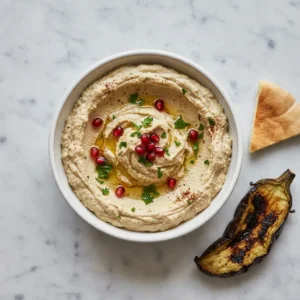
Hummus is a chickpea dip, cooked chickpeas blended smooth with tahini, olive oil, lemon and garlic. The name is simply the Arabic word for chickpeas, which tells you where the flavor lives. It travels well too. You will find it from New Jersey to Dubai, at breakfast, alongside lunch, as an afternoon snack or spooned over grilled chicken at night.
Health Benefits of Hummus
Chickpeas give hummus fiber, plant protein and iron, and its health benefits reach into steadier blood sugar, lower cholesterol and heart support. The fiber and protein together slow you down at the table, which helps keep you from overeating. For anyone eating less meat, that iron and folate matter more than most people realize.
How to Serve Hummus in Everyday Meals
Hummus fits almost anywhere. Use it as a spread in wraps, burgers and sandwiches where a heavier sauce would weigh things down. Stir it through a salad in place of creamy dressing. Toss it with hot pasta, olive oil and chili flakes for a fast meal on a lazy night. For more ideas, see our guide to what to eat with hummus.
Baba Ganoush vs Hummus Taste
Baba ganoush tastes smoky and a little tangy, with a soft, almost custardy body from the roasted eggplant. Hummus runs the other direction, nutty and creamy, the chickpeas carrying weight while lemon and garlic keep it bright. Set them side by side and baba ganoush reads lighter and smokier, while hummus reads richer and more filling.
Difference Between Hummus and Baba Ganoush
The base ingredient is the fork in the road. Everything below follows from eggplant on one side and chickpeas on the other.
Calories and Carbs
Baba ganoush is the lighter plate. Eggplant is mostly water and fiber, so it brings fewer calories and carbs than the chickpeas in hummus. If you are watching either, baba ganoush gives you more room to enjoy the rest of the meal.
Protein
Hummus wins protein without a contest. Chickpeas are a legume built around it, while eggplant carries almost none. For a dip that doubles as post-workout food or rounds out a meatless meal, hummus is the one to reach for.
Fat
Both get their richness from olive oil and tahini, and most of that fat is the unsaturated kind that works in your favor. Baba ganoush usually runs a little leaner, since it leans on eggplant and often takes less oil and tahini than a batch of hummus does.
Texture
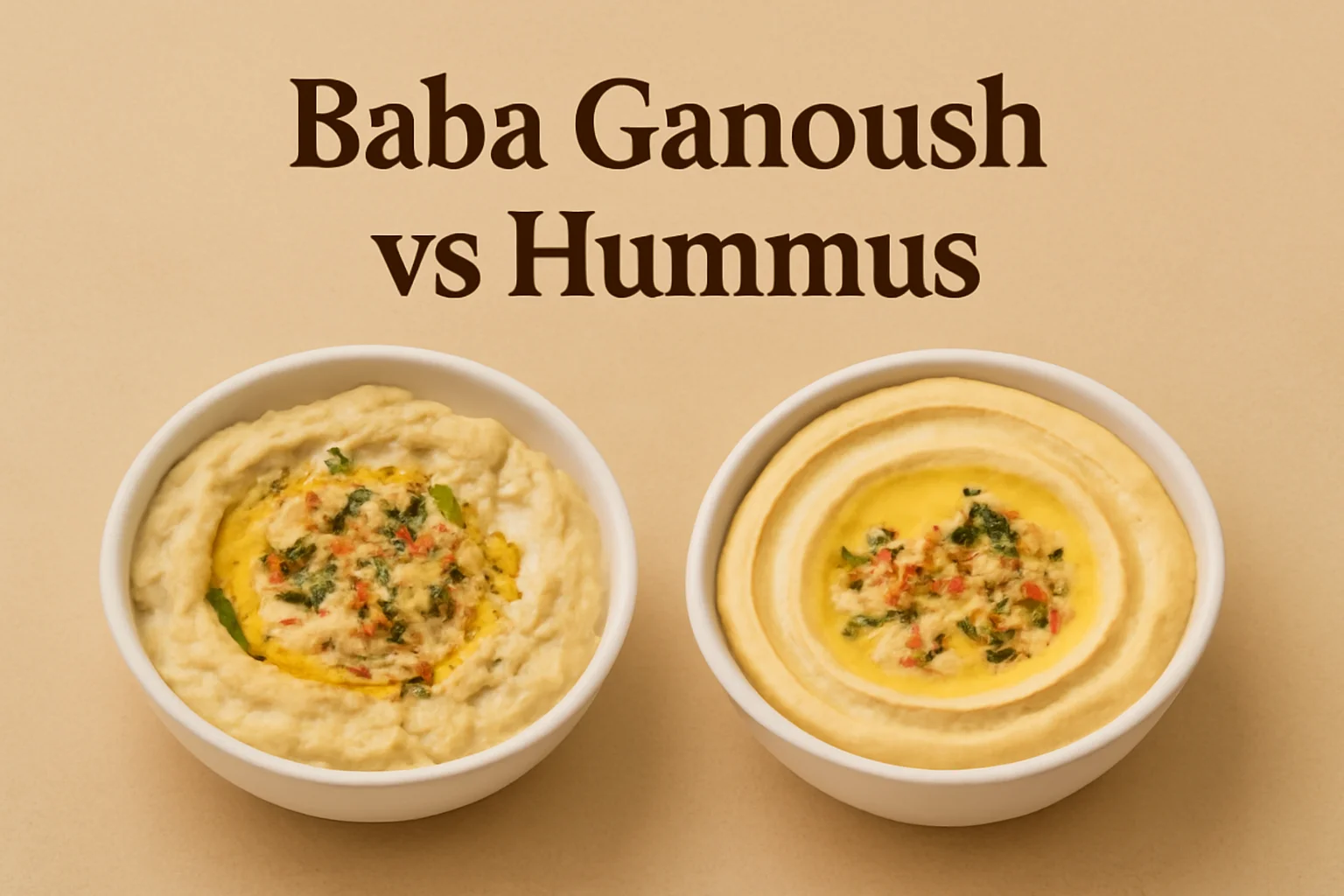
Hummus is smooth and silky, blended until there is nothing left to chew. Baba ganoush is rustic, with soft flecks of eggplant still in it. One spreads like butter, the other has body and grip.
Color
You can tell them apart on sight. Baba ganoush runs from light beige to a deep smoky brown, darkened by the charred eggplant. Hummus sits pale beige, though roasted pepper, herb and beet versions turn it red, green or pink.
How They Are Made
Hummus starts on the stove. You cook the chickpeas soft, then blend them with tahini, lemon, garlic and olive oil until silky. Baba ganoush starts with fire. The eggplant is roasted or grilled until the skin blackens and the inside collapses, then it is mashed or blended with tahini, lemon and olive oil. That smoke is the whole reason the two taste nothing alike.
Here is the same comparison in one view.
| Feature | Baba Ganoush | Hummus |
| Key ingredient | Eggplant | Chickpeas |
| Also contains | Tahini, lemon, olive oil, salt, sometimes yogurt | Tahini, lemon, olive oil, salt, garlic |
| Flavor | Smoky, tangy | Creamy, nutty |
| Texture | Chunky, rustic | Smooth, silky |
| Color | Light beige to smoky brown | Pale beige, sometimes red, green or pink |
| Calories and carbs | Lower | Higher |
| Protein | Lower | Higher |
| Vegan | Yes, unless yogurt is added | Yes |
Baba Ganoush vs Hummus Nutrition
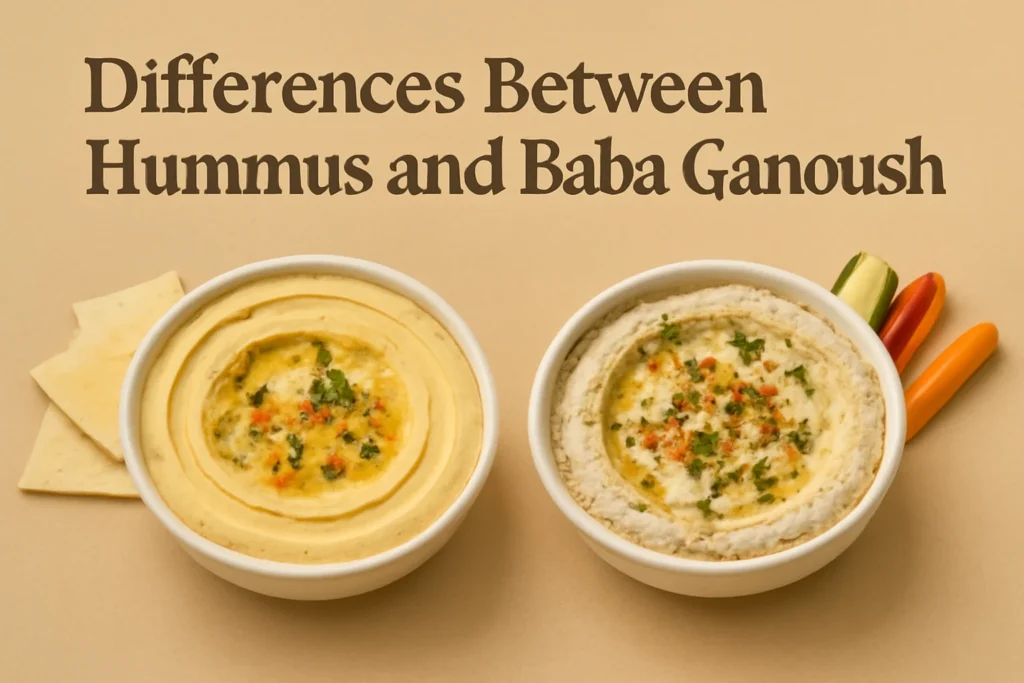
Exact numbers move around depending on how much oil and tahini go in, but these are typical values per 2 tbsp, roughly 30 grams.
| Per 2 tbsp, about 30g | Baba Ganoush | Hummus |
| Calories | 55 to 70 | 70 to 80 |
| Protein | about 1g | about 2 to 3g |
| Carbs | about 3g | about 4 to 6g |
| Fat | about 5g | about 5 to 6g |
| Fiber | about 1 to 2g | about 2g |
Hummus carries more protein and more carbs, both from the chickpeas. Baba ganoush lands lighter and lower in carbs because eggplant is mostly water and fiber. The fat in each comes from olive oil and tahini, and most of it is unsaturated.
Micronutrients
Baba ganoush brings antioxidants from the eggplant skin, including nasunin, along with vitamin B, vitamin E and magnesium. Hummus brings fiber, iron, folate and protein, which is what makes it hold you over between meals.
How Are They Served?
Baba ganoush pairs with warm pita, cucumber, carrot sticks and bell peppers, and it works spooned next to grilled meat. Hummus stretches further. Pita chips, raw vegetables, falafel, shawarma and sandwiches all take to it, and a scoop with fruit makes a sweet and salty snack. The classic stays hummus and pita bread, warm from the oven.
Is Baba Ganoush or Hummus Healthier?
Both are healthy, so the better pick depends on what you are after. Neither wins outright. They are strong at different things.
| Your goal | Pick |
| Fewer carbs or low-carb eating | Baba ganoush |
| Bold, smoky flavor | Baba ganoush |
| More protein | Hummus |
| A filling, post-workout snack | Hummus |
| Can’t decide | Both, on one mezze plate |
The Bottom Line
Neither dip beats the other on paper, so choose by what you need. Fewer carbs points to baba ganoush. More protein points to hummus. Wanting both is a fair answer too, and the usual one at a full table.
If you are in New Jersey, come taste why we are known as the best Middle Eastern spot in Paterson for fresh hummus. We make both dips fresh, alongside falafel, kabobs and other Palestinian dishes, and let your palate settle the debate.
Decades of Craft Behind Every Plate
Great dips give themselves away in one taste. You can tell who roasted the eggplant and who rushed it. Ours carry decades behind them.
From Ramallah to a Hudson Ferry
Yaser Baker did not begin with dips. He began with ice cream, scooping it through the Ramallah summers, then cooking the colder months in a Jericho restaurant. Once he reached the United States he spent eleven years in the galley of a Hudson River ferry, picking up American and Italian food while holding on to the Palestinian cooking he was raised on. In 1998 he bet on himself and opened Al-Basha.
The Difference Roasting Makes
You can taste a shortcut. Real baba ganoush needs eggplant roasted until it caves in and turns silky, not warmed soft in a hurry. The chickpeas for our hummus are cooked and blended in house, then both dips are seasoned by hand, one batch at a time. It takes longer than scooping from a tub, and that flavor is the whole reason to bother.
A Recipe Kept in the Family
Those recipes never turned into secrets Yaser guarded alone. His sons Ammar and Mohammad run the kitchen with him now, and together they carried the family’s cooking to a second Paterson location. Scoop our baba ganoush or hummus and you are tasting something shaped across three decades and two countries, by the people whose name is on the sign.
FAQs
Is baba ganoush or hummus healthier?
Both are healthy. Baba ganoush is lighter and lower in carbs, while hummus gives you more protein and fiber. Pick by goal.
Which has more protein?
Hummus. Chickpeas hold more protein than the eggplant behind baba ganoush.
Which has fewer calories and carbs?
Baba ganoush in most recipes, since eggplant is lighter and lower in starch than chickpeas.
Is hummus good for vegetarians?
Yes. It brings plant protein, iron and folate, which help cover nutrients that can run low on a meatless diet.
Do they taste the same?
No. Baba ganoush is smoky and tangy, hummus is nutty and creamy. They share tahini, lemon, garlic and olive oil, but the base ingredient is different.
Can I freeze hummus or baba ganoush?
Hummus freezes well and stays creamy. Baba ganoush can separate a little, so stir in some olive oil after it thaws.
Can they replace junk food cravings?
They can. Scoop either with vegetables or whole-grain chips and you get the same satisfaction with more fiber and protein and far less regret.