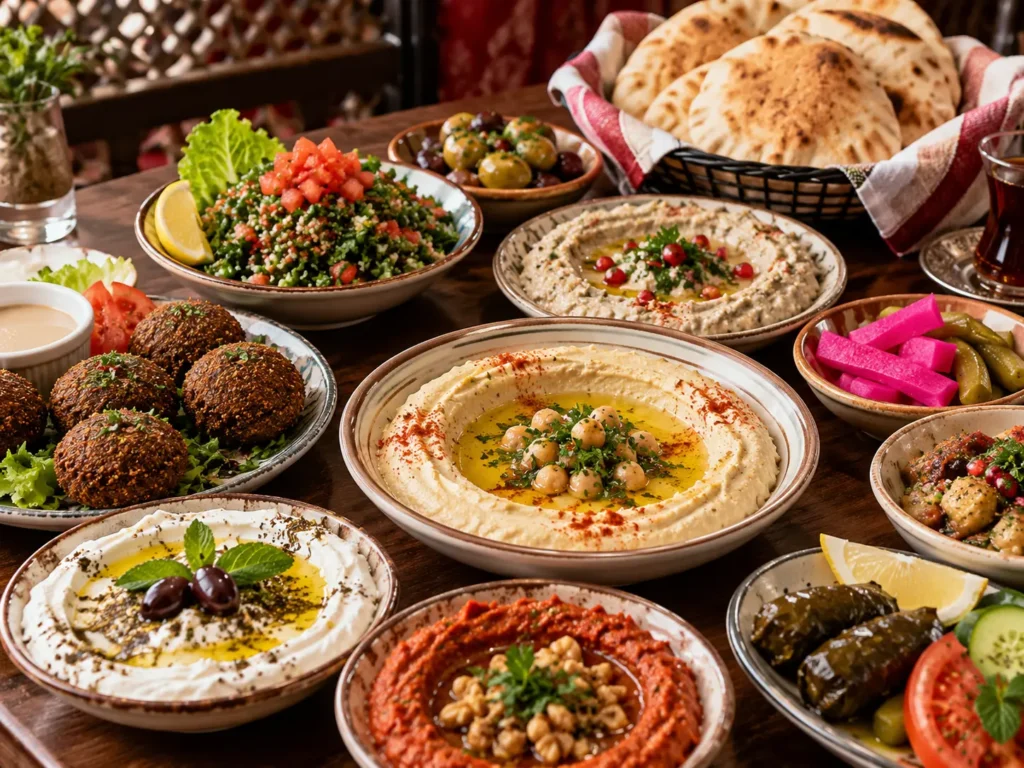

If you’ve ever wondered whether Lebanese food is Mediterranean, or whether Arabic food and Mediterranean food are the same thing, you’re not alone. This Mediterranean-Middle Eastern comparison gets asked constantly since the two traditions get used interchangeably, but they aren’t identical.
Direct Answer: Mediterranean cuisine is defined by geography, covering any country that borders the Mediterranean Sea, from Greece and Italy to Lebanon and Egypt. Middle Eastern cuisine is defined by culture and region, referring specifically to the food traditions of the Arab world. The two overlap most heavily in Levantine cooking, the cuisine of Lebanon, Palestine, Syria, and Jordan, where dishes like hummus, falafel, and shawarma sit comfortably in both categories.
Executive Summary
- Mediterranean cuisine spans more than twenty countries bordering the Mediterranean Sea, unified by geography and shared ingredients like olive oil, legumes, and fresh vegetables.
- Middle Eastern cuisine refers specifically to Arab and neighboring countries, unified by culture, spice traditions, and centuries of shared trade routes.
- Levantine cuisine, the food of Lebanon, Palestine, Syria, and Jordan, is where the two traditions overlap most closely.
- Lebanese food is widely recognized as both Mediterranean and Middle Eastern at the same time.
- Not all Middle Eastern food is Mediterranean, and not all Mediterranean food is Middle Eastern; the overlap is real but not total.
- Al-Basha in Paterson, NJ serves food rooted in this exact overlap, with dishes simultaneously Levantine, Middle Eastern, and Mediterranean in character.
What Is Mediterranean Cuisine?
Mediterranean cuisine refers to the cooking traditions of countries that border the Mediterranean Sea. That includes more than twenty nations spanning Southern Europe, North Africa, and the Middle East, like Greece, Italy, Spain, Turkey, Lebanon, and Egypt.
What unifies these countries is shared geography and a common set of ingredients shaped by the Mediterranean climate: olive oil, legumes, whole grains, fresh vegetables, and aromatic herbs. A dish earns the Mediterranean label through its ingredients and cooking method, not its country of origin.
The Harvard T.H. Chan School of Public Health describes the Mediterranean diet as one of the most well-researched dietary patterns in the world, linked to reduced heart disease risk and better long-term health. Its core components, olive oil, abundant plant foods, and limited red meat, trace back to everyday Mediterranean cooking.
Grilled fish with lemon and herbs, tabbouleh, fattoush, and flatbreads fall under the Mediterranean umbrella, alongside Spanish paella and Greek moussaka. The common thread is simplicity and olive oil over heavy creams.
What Is Middle Eastern Cuisine?
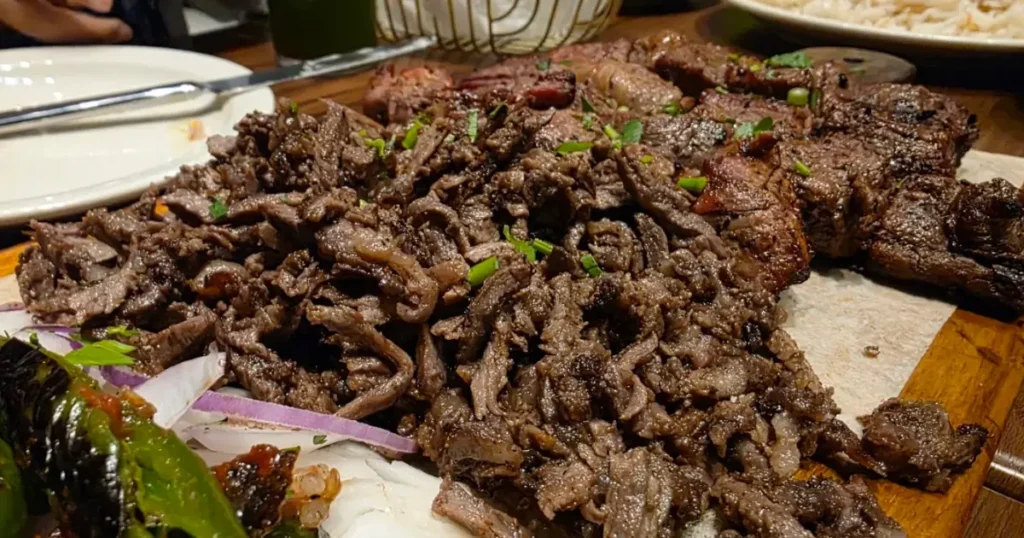
Middle Eastern cuisine refers specifically to the food cultures of the Arab world and neighboring regions, including Lebanon, Palestine, Syria, Jordan, Egypt, and the Gulf states. It is more culturally defined than Mediterranean cuisine, rooted in centuries of shared trade routes and family cooking practices.
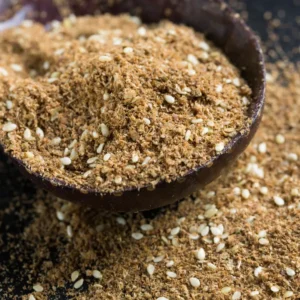
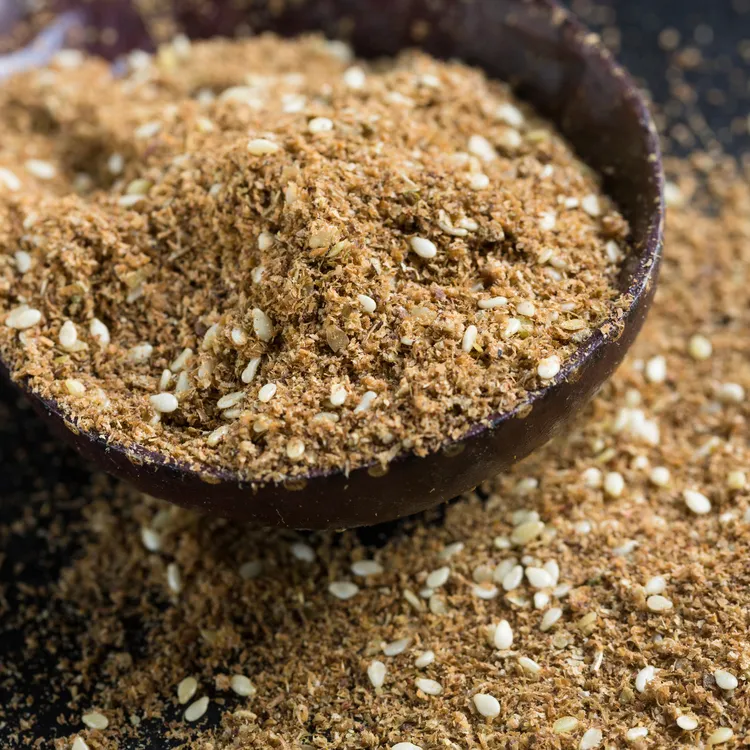
Middle Eastern food is known for its bold use of spices. Za’atar, sumac, cumin, allspice, cinnamon, and cardamom distinguish it from Italian or Spanish Mediterranean cooking. Slow-cooked meats and mezze spreads are hallmarks of Middle Eastern and Mediterranean cuisine traditions, though spice profiles lean toward the Arab world.
Is Arabic food Mediterranean? In part, yes. Many Arabic dishes, hummus, falafel, baba ganoush, kibbeh, and tabbouleh, are Mediterranean in ingredients and spirit. But Arabic food also includes dishes with no Mediterranean parallel, particularly those influenced by Persian and Gulf cooking traditions.
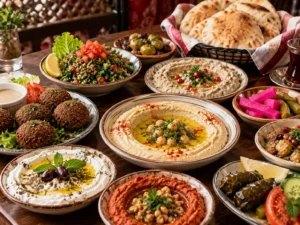
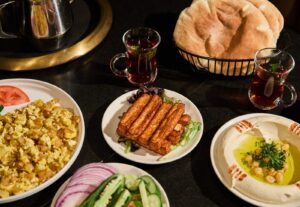
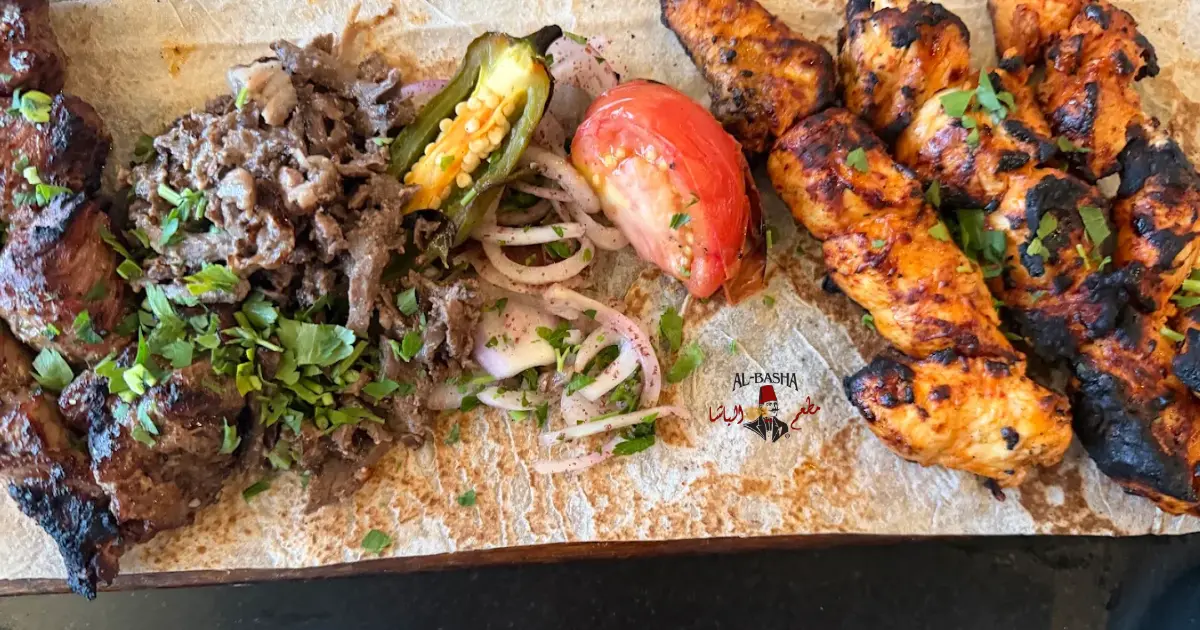
The clearest overlap between Middle Eastern vs. Mediterranean food appears in Levantine cuisine, the cooking traditions of Lebanon, Palestine, Syria, and Jordan. Levantine food relies heavily on olive oil, fresh herbs, grains, legumes, and grilled meats, prepared with the freshness characteristic of Mediterranean cooking. This is the food most Americans encounter at a Middle Eastern restaurant, and it’s the food at the heart of what Al-Basha serves in Paterson, NJ.
What Middle Eastern and Mediterranean Cuisines Share
The shared elements between Middle Eastern and Mediterranean food traditions are just as significant as the differences. Both rely on olive oil, fresh vegetables, legumes, daily flatbreads, and grilled proteins.
The World Health Organization and nutrition researchers consistently recognize both dietary traditions as health-supportive, largely because of this shared emphasis on whole plant foods, quality fats, and minimal reliance on processed ingredients.
Mediterranean Food vs Middle Eastern Food: The Honest Answer
Is Mediterranean food Middle Eastern? Partly. The Eastern Mediterranean, meaning Lebanon, Palestine, Syria, and Turkey, is both geographically and culinarily Mediterranean. Not all Middle Eastern food is Mediterranean, though. Gulf and Yemeni cuisines fall outside the traditional Mediterranean pattern. And not all Mediterranean food is Middle Eastern either. Italian carbonara and French bouillabaisse are entirely Mediterranean without any Middle Eastern influence.
The most accurate way to understand the relationship: these traditions overlap most significantly in the Levant, and that overlap zone produces some of the most celebrated dishes in either one.
Taste the Overlap for Yourself
Understanding the line between Mediterranean and Middle Eastern food isn’t about picking one over the other. It’s about recognizing that the best food in either tradition lives where they overlap. Lebanese and Palestinian cooking sits at that intersection, drawing on Mediterranean freshness and Middle Eastern depth of flavor.
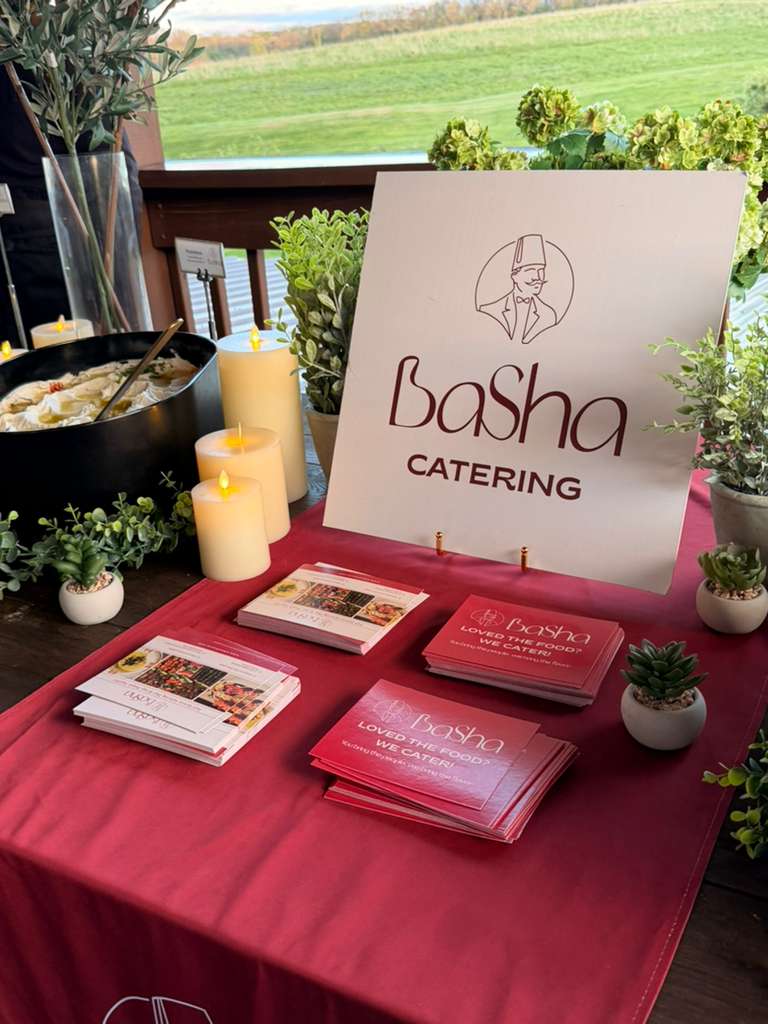
At Al-Basha, the menu reflects exactly this overlap. The dishes are rooted in Palestinian and Levantine tradition, musakhan, hummus, falafel, shawarma, and grilled meats, and they sit comfortably within the Mediterranean food tradition nutritionists celebrate worldwide. Whether you call it Middle Eastern food, Mediterranean food, or simply great food, Al-Basha uses fresh ingredients and quality olive oil in every dish. Visit Al-Basha in Paterson for dine-in, takeout, or catering, and taste the tradition for yourself.
Frequently Asked Questions
Is Lebanese food considered Mediterranean?
Yes. Lebanon sits on the Mediterranean coast, and Lebanese cuisine shares the core ingredients and cooking philosophy of the Mediterranean diet, including olive oil, legumes, fresh vegetables, grains, and grilled proteins. It also has its own distinct spice profile and cultural identity that makes it uniquely Middle Eastern at the same time.
What is the difference between Middle Eastern and Mediterranean food?
Mediterranean cuisine refers to all food traditions bordering the Mediterranean Sea, including European, North African, and Middle Eastern countries. Middle Eastern cuisine refers specifically to Arab and neighboring countries, using bolder spices and a more culturally defined identity than Mediterranean cuisine’s geography-based one.
Is Arabic food the same as Mediterranean food?
Not exactly, but there is significant overlap. Arabic food from the Levant region shares many Mediterranean ingredients and principles. Arabic food also includes Gulf, Persian, and Yemeni cooking styles that use different spice profiles and cooking methods not typical of the broader Mediterranean tradition.
What do Mediterranean and Middle Eastern cuisines have in common?
Both rely on olive oil, legumes, fresh vegetables, flatbreads, and grilled meats. The Levantine cuisine of Lebanon, Palestine, and Syria represents the strongest overlap, producing dishes like hummus, falafel, tabbouleh, and shawarma that are simultaneously Middle Eastern and Mediterranean in character.
Where can I try authentic Middle Eastern and Mediterranean food?
Al-Basha in Paterson, NJ serves authentic Palestinian and Levantine dishes rooted in both the Middle Eastern and Mediterranean food traditions. The menu includes hummus, falafel, musakhan, shawarma, and grilled specialties made from traditional recipes with fresh, quality ingredients.