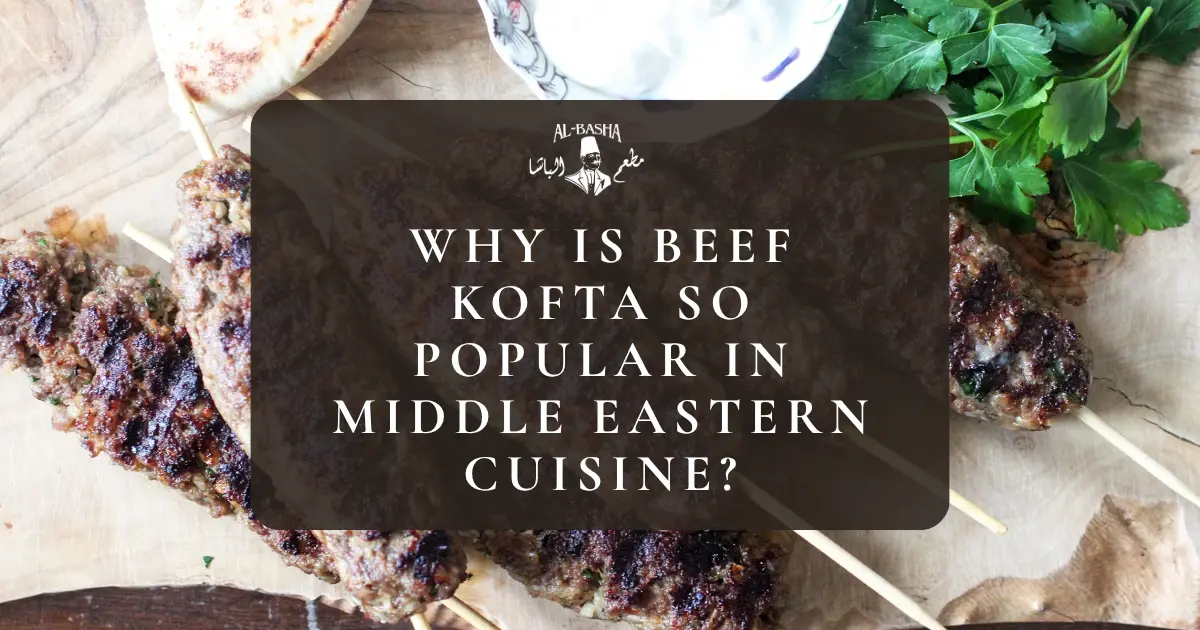

Beef kofta is popular in Middle Eastern cuisine because it delivers bold flavor from simple ingredients, develops a delicious grilled texture, and works in everything from family-style platters to pita wraps. Its combination of seasoned ground beef, fresh herbs, aromatic spices, and versatile serving options makes it a familiar and satisfying dish across the region.
What Is Beef Kofta?
Beef kofta is a seasoned ground-meat dish found in many cuisines across the Middle East and neighboring regions, and it often incorporates grated onion for added flavor, making the kofta even more delicious. The basic idea is straightforward: ground meat is combined with herbs, onions, and spices, shaped into a particular form, and cooked until browned and flavorful.
The spelling can change depending on the region and language. You may see beef kofta, beef kafta, beef kufta, beef kofte, or beef köfte. These names can refer to related dishes, although the exact ingredients, shape, seasoning, and cooking method vary from one culinary tradition to another.
Kofta itself is much broader than beef. It can be prepared with lamb, chicken, or combinations of meats, and regional versions can range from grilled skewers to meatballs served in sauces. Historical references to kofta-style dishes extend across the Middle East, Central Asia, South Asia, North Africa, and the Balkans, where kofta originates.
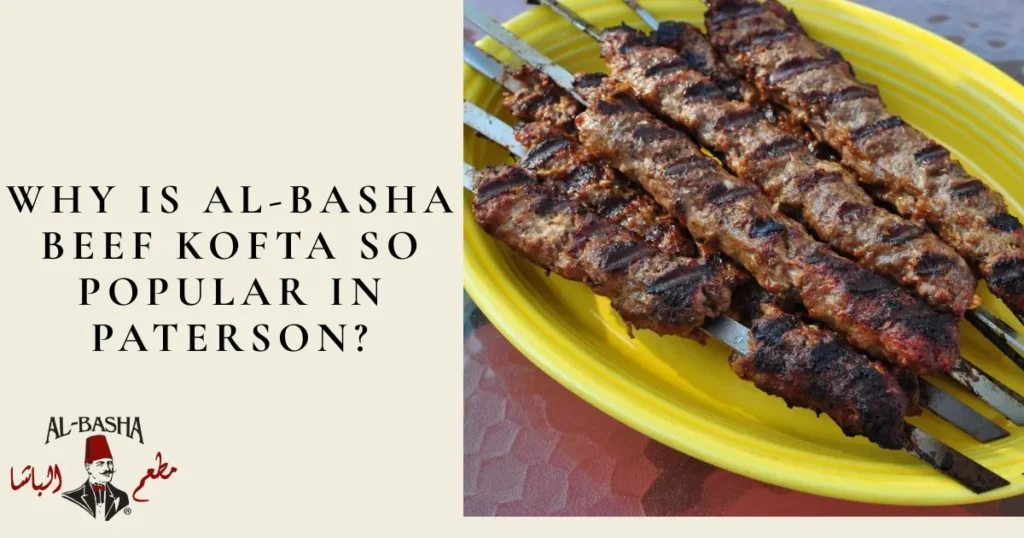
In the Levant, kafta commonly takes the form of seasoned minced beef or lamb mixed with onion, parsley, and spices, including red pepper. That mixture can then be formed into elongated portions and grilled, making it especially well suited to gatherings, family meals, and restaurant grilling.
Why Is Beef Kofta So Popular in Middle Eastern Cuisine?
The popularity of beef kofta comes down to more than its flavor; the versatility of the easy beef kofta recipe allows for endless variations. It represents several qualities that make Middle Eastern cooking so appealing: fresh ingredients, aromatic seasoning, straightforward preparation, and food designed to be shared.
1. It turns simple ingredients into a flavorful meal
One of the biggest strengths of beef kofta is its simplicity.
A traditional-style mixture does not require a long list of complicated ingredients. Ground beef provides the foundation, while grated onion adds moisture and sweetness, parsley brings freshness, and spices create the distinctive aroma.
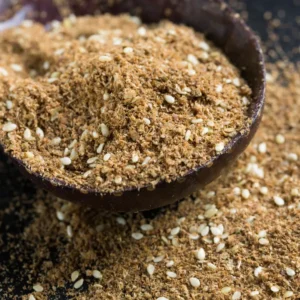
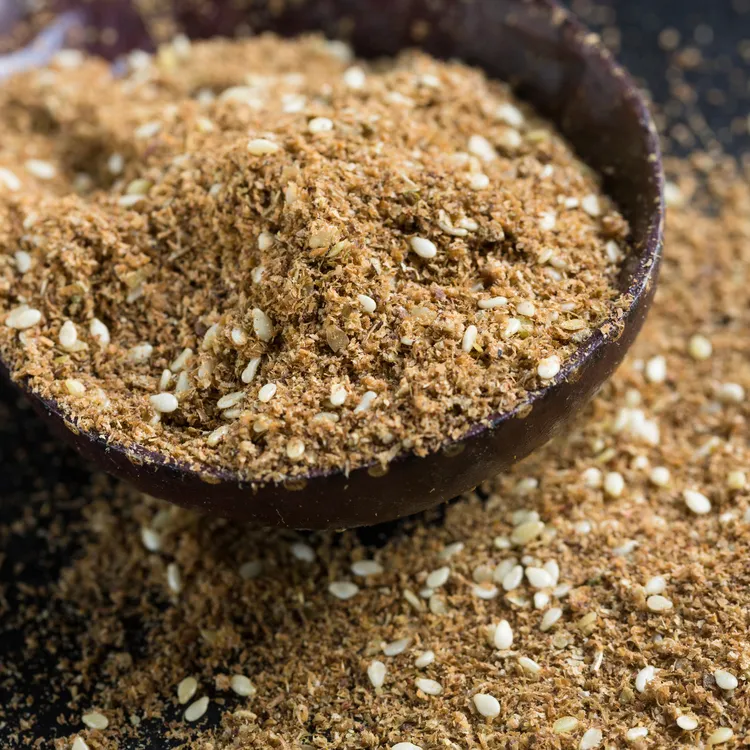
Common seasonings can include:
- Cumin
- Coriander
- Black pepper
- Cinnamon
- Allspice is one of the key spices that can be included in the kofta mixture to enhance its flavor profile.
- Seven-spice blends are often enhanced with ingredients for beef kofta, such as clove and red pepper.
- Salt
- Sumac in some variations
- Fresh parsley can be a delightful garnish for meatballs or meatloaf dishes.
- Onion
The result is much more expressive than an ordinary ground beef patty. Instead of relying on a heavy sauce, kofta gets much of its character from the seasoning incorporated directly into the meat.
That makes every bite aromatic without overwhelming the natural flavor of the beef.
2. Grilling brings out its best qualities
Beef kofta is particularly popular when grilled because direct heat creates a browned exterior while adding a subtle smoky character.
The elongated shape also gives the meat plenty of surface area for browning. When cooked properly, the outside develops flavorful grilled edges while the inside remains moist.
This is one reason ground beef kebab and kofta are so closely associated with outdoor grilling and restaurant charcoal grills.
The cooking method also makes kofta practical for gatherings, as they can be easily prepared in a large bowl and served with tzatziki sauce. Multiple portions can be shaped in advance and placed on a grill together, making it easy to serve several people without complicated preparation.
3. The seasoning is warm, aromatic, and recognizable
Middle Eastern spice blends are another major reason people love beef kofta.
The goal is usually not intense heat. Instead, the seasoning creates layers of aroma. Cumin can add earthiness, coriander contributes citrusy warmth, black pepper adds depth, and cinnamon or allspice can provide a subtle sweet-spice character, enhancing the flavor profile of koftas in many Middle Eastern recipes.
The balance matters.
Too little seasoning can make kofta taste like ordinary ground beef, but a well-balanced kofta mixture, seasoned with salt and pepper, enhances its distinctiveness. Too much can hide the flavor of the meat. Well-prepared kofta sits between the two: the beef remains recognizable while the herbs and spices give it a distinctly Middle Eastern identity, especially when cooked using a meat thermometer to ensure it is tender and juicy.
4. It works with many different meals
Few dishes are as adaptable as kofta.
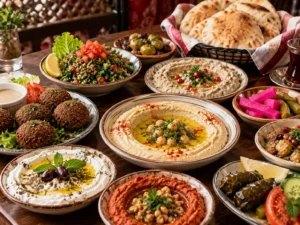
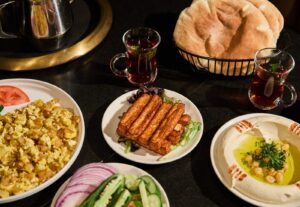
It can be served as a main course with rice and salad, placed inside pita bread, paired with hummus, or presented as part of a larger spread.
A typical meal might include:
| Beef Kofta Pairing | Why It Works |
| Hummus | Creamy and nutty contrast to grilled beef |
| Pita bread | Makes kofta easy to eat as a sandwich or wrap |
| Tahini sauce | Adds richness with a slightly bitter sesame flavor |
| Fattoush | Fresh vegetables and acidity balance the meat |
| Tabbouleh | Parsley, lemon, and bulgur provide freshness |
| Rice | Creates a filling traditional-style meal |
| Grilled vegetables | Adds smoky flavor without competing with the kofta |
| Pickles | Bright acidity cuts through the richness |
For diners who want to explore more dishes, Al-Basha’s Middle Eastern and Mediterranean menu items often feature koftas as a highlight. offers a natural way to pair grilled specialties with traditional sides.
Beef Kofta vs. Beef Kafta: Are They the Same?
In everyday food conversations, beef kofta and beef kafta are often used interchangeably, but regional terminology can differ.
“Kafta” is particularly common when discussing Levantine preparations, while “kofta” is a broader spelling used across Middle Eastern and South Asian cuisines. “Köfte” is strongly associated with Turkish terminology.
The important point is that the name alone does not tell you exactly how the dish will taste, as it may vary based on the ingredients for beef kofta.
Two restaurants can both serve beef kofta while using different spice blends, meat ratios, shapes, or cooking methods.
A Levantine-style beef kafta might be shaped around a skewer and grilled, while another kofta preparation could be formed into round meatballs and cooked in a sauce, making them versatile and easy to make.
The common thread is seasoned minced meat.
What Does Beef Kofta Taste Like?
Beef kofta has a savory, aromatic flavor with a grilled exterior and a juicy interior when properly prepared.
The first impression usually comes from the browned meat and charred edges. Then the spices become more noticeable. Onion adds mild sweetness, while parsley keeps the flavor fresh rather than heavy.
It is often more aromatic than a standard hamburger and firmer than a breadcrumb-heavy meatball.
That difference is important.
A typical American meatball may rely on breadcrumbs, egg, cheese, or sauce for texture and flavor. Traditional-style kofta often gets its texture from the meat itself, along with finely processed onion and herbs.
This creates a more direct taste of seasoned beef.
What Makes Ground Beef Kebab Different From a Hamburger?
At first glance, a beef kofta skewer may look similar to a hamburger because both use ground beef. The similarities largely end there.
A hamburger is generally built around the beef itself, with toppings and condiments added afterward.
Kofta incorporates its defining flavors into the meat mixture before cooking.
| Feature | Beef Kofta | Hamburger |
| Main ingredient | Ground beef | Ground beef |
| Seasoning | Herbs and Middle Eastern spices | Usually salt, pepper, optional seasonings |
| Shape | Logs, patties, meatballs | Round patty |
| Cooking | Often grilled or skewered | Usually grilled, griddled, or pan-seared |
| Serving style | Rice, pita, hummus, salads, tahini | Bun, cheese, lettuce, tomato, condiments |
| Flavor profile | Aromatic and herb-forward | Beef-forward and savory |
| Cultural role | Part of a broad Middle Eastern kofta tradition | American sandwich tradition |
Neither is necessarily better. They simply represent different culinary approaches to ground beef.
Beef Kofta and Lamb Kofta: What’s the Difference?
Kofta is not limited to beef. Lamb is another traditional choice, and some preparations combine beef and lamb.
Beef kofta tends to have a robust, savory flavor that works especially well with grilled preparation. Depending on the beef’s fat content, it can also have a rich and juicy texture.
Lamb kofta usually has a more distinctive flavor, with the characteristic richness associated with lamb. Herbs and spices can complement that flavor particularly well.
A beef-and-lamb mixture with lean ground beef can provide a balance between the two.
There is no single correct meat for kofta, but beef is a popular choice for many delicious beef kofta recipes. Regional traditions, family recipes, restaurant styles, and personal preference all influence the choice.
The broader kofta tradition demonstrates just how adaptable seasoned minced meat can be. Even Persian kufta traditions include versions made from ground lamb or beef combined with herbs and spices.
How Is Beef Kofta Traditionally Prepared?
Although recipes differ, the preparation generally follows a few straightforward stages.
Step 1: Choose the beef
Ground beef with enough fat is important for texture. Extremely lean beef can become dry, particularly when cooked over high heat.
The exact fat percentage depends on the preparation, but a moderately fatty ground beef is commonly preferred for juicy grilled kofta.
Step 2: Prepare the aromatics
Onion and parsley are finely chopped or processed.
The texture matters. Large pieces of onion can make the mixture difficult to bind, while finely prepared onion distributes its moisture and flavor throughout the meat.
Step 3: Add the spices
The beef is combined with the onion, parsley, salt, and selected spices.
The seasoning should be evenly distributed without overpowering the meat.
Step 4: Mix carefully
The ingredients are mixed until they hold together.
Overworking the mixture can produce a dense texture, so the goal is thorough incorporation rather than excessive handling.
Step 5: Shape the kofta
Kofta can be shaped into:
- Long cylinders
- Oblong patties
- Small meatballs, or koftas, can be a delightful addition to any meal.
- Skewer-shaped portions
- Flat patties for wraps
The shape often depends on how it will be cooked and served, especially when using wooden skewers for grilling koftas.
Step 6: Grill or cook
Grilling is one of the most popular methods because it creates browned edges and smoky flavor.
Kofta can also be prepared on an indoor grill pan, skillet, or in an oven when outdoor grilling is not practical.
For ground beef, food safety is important. The USDA recommends cooking ground meats, including ground beef, to an internal temperature of 160°F (71.1°C) The internal temperature of koftas should be measured with a food thermometer to ensure they are fully cooked.
That temperature recommendation matters more than judging doneness by color, especially when grilling beef kofta kebabs to perfection. Ground beef can remain pink even after reaching a safe temperature, while some meat can brown before reaching it.
Why Fresh Onion and Parsley Matter
It is easy to think of onion and parsley as minor additions, but they have an important role in kofta.
Finely processed yellow onion distributes moisture throughout the meat and contributes natural sweetness to the beef kofta. Parsley provides freshness and keeps the seasoning from feeling overly heavy, which is crucial for the perfect homemade beef kofta.
Together, they create a contrast between richness and freshness, particularly with the addition of fresh mint.
That balance is one reason beef kofta works so well alongside salads, hummus, pickled vegetables, and other Middle Eastern sides.
Why Hummus Is Such a Natural Partner for Beef Kofta
Hummus and kofta are a classic combination because their textures and flavors complement each other.
Kofta is warm, savory, grilled, and substantial. Hummus is cool, creamy, smooth, and nutty.
Pita brings everything together, making it the perfect accompaniment for kofta in the oven.
A bite of grilled beef kofta with hummus and warm pita creates several textures at once: crisp or charred meat edges, creamy chickpeas, soft bread, and fresh herbs or vegetables typical of Middle Eastern recipes.
For a full Middle Eastern meal in Paterson, dishes like these can be enjoyed alongside other traditional favorites. Diners looking for a broader introduction to the cuisine can also explore Al-Basha’s Middle Eastern food in Paterson.
Beef Kofta as a Wrap
One of the easiest ways to enjoy kofta is in a wrap.
The grilled beef can be placed inside pita or flatbread with hummus, tahini, parsley, tomatoes, onions, pickles, or other fresh toppings.
The wrap format makes sense because kofta has enough seasoning to remain flavorful even when combined with several ingredients.
It is also convenient for lunch, casual dinners, and meals on the go, especially when prepared as an easy beef kofta recipe.
For a different take on the same family of grilled foods, consider chicken kofta or ground turkey. Middle Eastern lamb shish kebab prepared on wooden skewers in water for added flavor. offers another example of how seasoned meat and open-flame cooking come together in Middle Eastern cuisine.
Why Kofta Has Such a Strong Place in Family and Restaurant Dining
Food becomes culturally important when it does more than satisfy hunger.
Kofta fits naturally into shared meals.
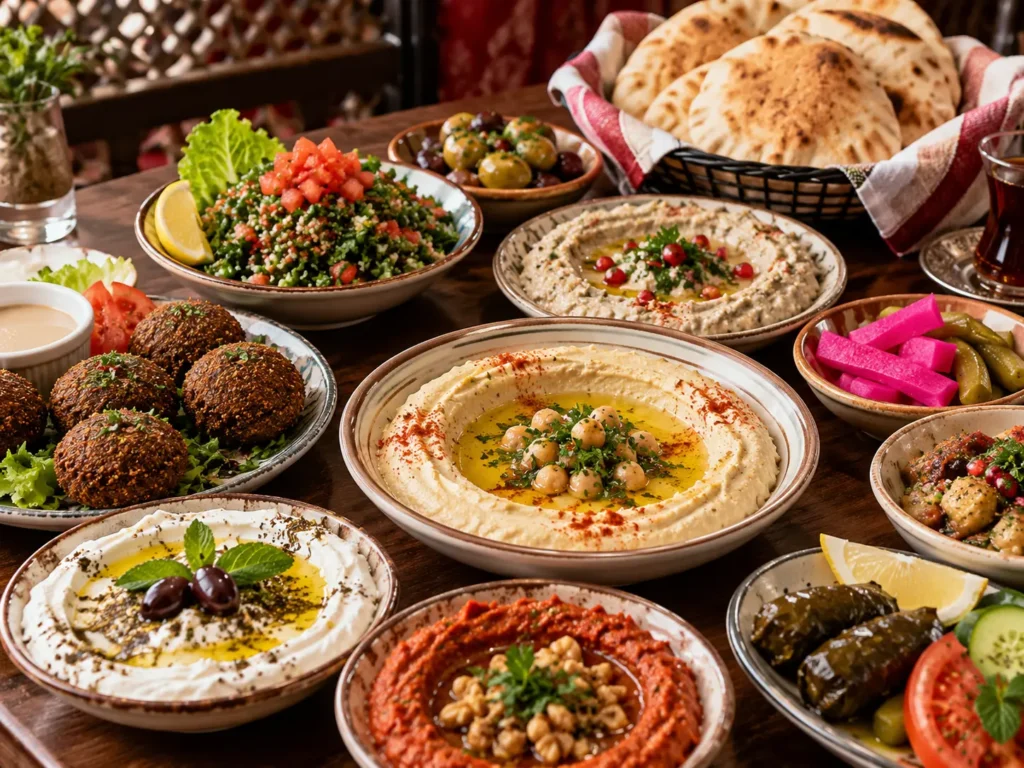
A platter can include grilled kofta alongside rice, hummus, salad, pita, pickles, and other dishes from Mediterranean cuisine. Everyone can take a little of everything, creating the kind of meal that encourages conversation and sharing.
This is particularly relevant to the broader tradition of Middle Eastern hospitality, where a table can hold several dishes rather than a single main course.
Kofta also scales easily.
A home cook can prepare a small batch for a family dinner. A restaurant can grill larger quantities on a gas grill for lunch or dinner service. The same basic concept works in both settings.
That practicality helps explain why kofta has remained relevant across generations and regions, evolving into various styles like kofta kebabs.
What to Look for When Ordering Beef Kofta
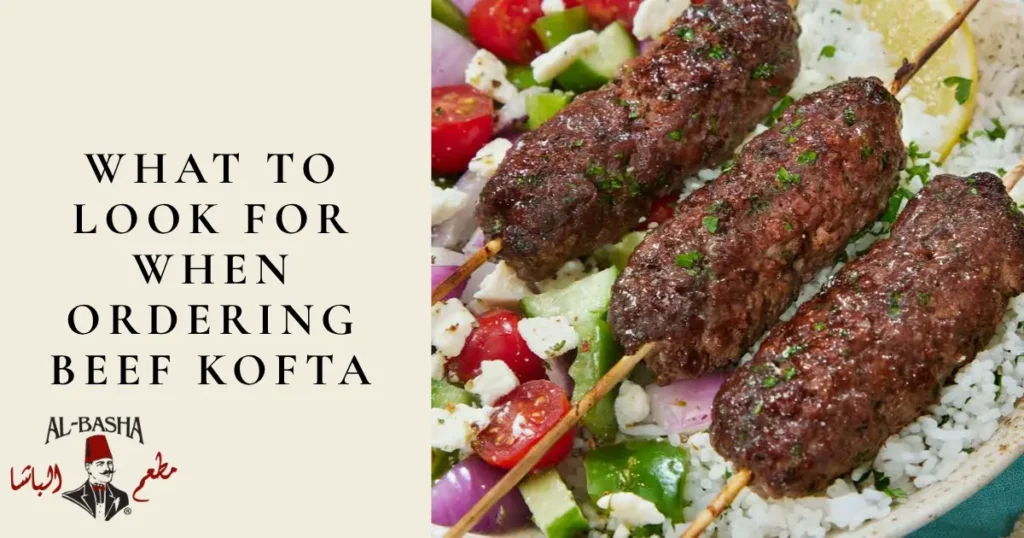
If you are ordering beef kofta for the first time, look for a few signs of a well-balanced preparation, such as the inclusion of red onion in the kofta mixture.
Aromatic seasoning: The spices should be noticeable but should not completely hide the flavor of the beef, especially when making koftas that are tender and juicy.
Moist texture: Properly prepared kofta should not feel dry or crumbly.
Good browning: Grilling should create flavorful browned edges without burning the exterior, ensuring the beef kofta kebabs are juicy and tender.
Fresh accompaniments: Hummus, parsley, salads, pickles, pita, or tahini can provide balance.
Even cooking: The kofta should have a consistent texture from one end to the other, which is essential for homemade beef kofta.
If you enjoy grilled meats and want to explore beyond kofta, shish kabobs offer another popular preparation built around seasoned meat and grilling.
Beef Kofta in Paterson, New Jersey
For Middle Eastern food lovers in Paterson, beef kofta is more than an unfamiliar dish to try once; it is a staple that can be enjoyed with leftover ingredients. It is part of a broader culinary tradition that many Arab-American families recognize from home cooking, family gatherings, neighborhood restaurants, and celebrations.
Paterson’s strong Middle Eastern and Palestinian food culture makes it an especially natural place to explore dishes built around grilled meats, hummus, pita, fresh salads, and aromatic spices.
At a restaurant such as Al-Basha, kofta fits naturally into a larger Palestinian dining experience rather than standing alone as an isolated dish. Guests can pair grilled specialties with familiar sides and explore other foods associated with Mediterranean cuisine.
Those interested in learning more about Palestinian cuisine can also explore the food of Ramallah and Palestinian culinary traditions.
FAQS
What is beef kofta made of?
Beef kofta is typically made with ground beef, finely chopped onion, fresh parsley, salt, and a blend of aromatic spices. Depending on the regional style, the seasoning may include cumin, coriander, black pepper, cinnamon, allspice, or a Middle Eastern seven-spice blend.
What is kafta vs kofta?
Kafta and kofta are often different spellings for closely related seasoned minced-meat dishes. “Kafta” is commonly used for Levantine preparations, while “kofta” is a broader term used across several Middle Eastern and neighboring cuisines. The exact ingredients, shape, and cooking method can vary by region.
Is beef kofta healthy?
Beef kofta can be part of a balanced meal, particularly when served with vegetables, salads, hummus, and other fresh sides. Its nutritional profile depends on the fat content of the beef, portion size, cooking method, and accompanying dishes.
How do you eat beef kofta?
Beef kofta can be eaten on its own as part of a grilled meat platter or combined with pita, hummus, tahini, salad, pickles, and fresh vegetables. It can also be served with rice or placed inside pita as a flavorful kofta wrap.
What is the best sauce for beef koftas?
Hummus, tahini sauce, and garlic sauce are popular choices with beef kofta. Tahini provides a creamy sesame flavor, while hummus adds richness and a smooth texture. Garlic sauce offers a stronger, sharper contrast to the grilled beef.
What do you serve with beef koftas?
Beef koftas pair well with hummus, pita bread, tabbouleh, fattoush, rice, grilled vegetables, tomato and cucumber salad, tahini, and pickles. These sides add freshness, acidity, creaminess, and texture to the meal.
Which meat is best for kofta?
There is no single best meat for kofta. Beef provides a rich, savory flavor and works especially well for grilled preparations, while lamb offers a more distinctive and naturally rich taste. Beef and lamb can also be combined for a balanced flavor and texture.
Why Beef Kofta Continues to Stand Out
Beef kofta has remained popular because it gets so much flavor from a relatively simple foundation.
Ground beef, onion, parsley, and carefully balanced spices can become something distinctive once shaped and grilled into flavorful kofta kebabs. The dish is filling without being complicated, aromatic without needing a heavy sauce, and versatile enough to serve as a platter, wrap, family dinner, or part of a larger Middle Eastern spread.
Its many spellings—beef kofta, beef kafta, beef kufta, beef kofte, and beef köfte—reflect the broad regional traditions surrounding the dish rather than a lack of identity.
For anyone exploring Middle Eastern cuisine, kofta is a natural starting point, especially when trying different variations like chicken kofta. It introduces the importance of herbs, spices, grilling, shared plates, and balanced accompaniments in a single dish. And in a food-centered community like Paterson, New Jersey, it fits naturally into the local appreciation for authentic Middle Eastern and Palestinian flavors.
From a simple grilled portion served with hummus and pita to a full family-style platter surrounded by rice, salads, and fresh vegetables, beef kofta remains popular for one simple reason: it delivers bold, comforting flavor while leaving plenty of room for the traditions and ingredients that make Middle Eastern cuisine so memorable.
For more dishes and ideas, explore 7 Middle Eastern foods you must try and the best dishes to order at Al-Basha’s Palestinian Grill in Paterson, NJ.