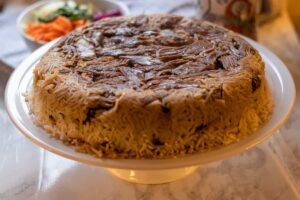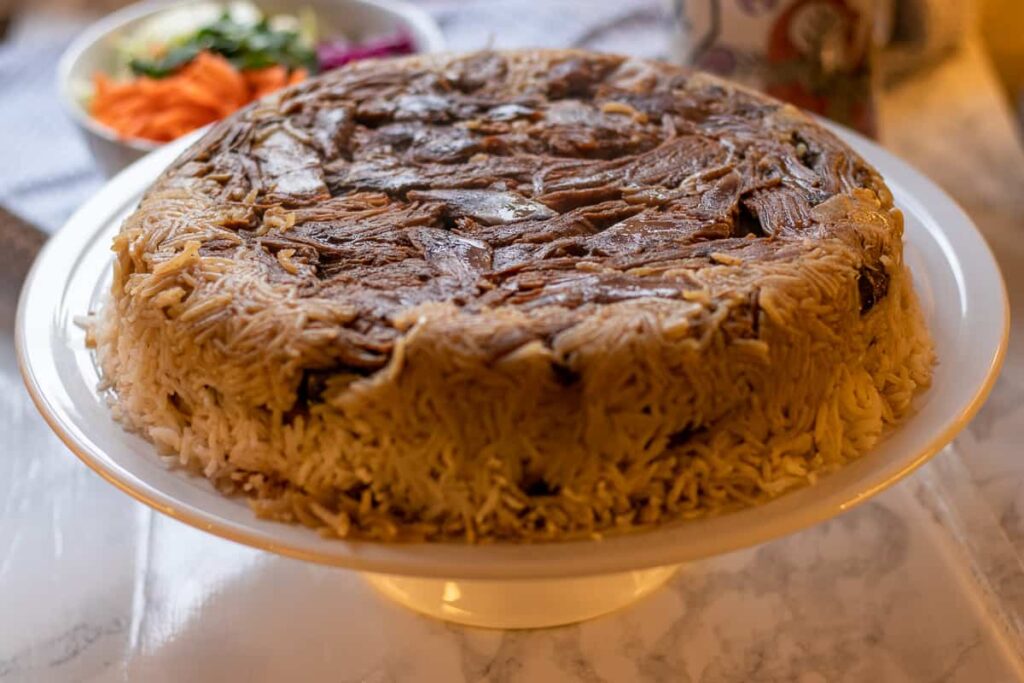

Few dishes make an entrance quite like maqluba. A traditional Palestinian rice dish, maqluba is built in layers with rice, vegetables, and meat, cooked together until the flavors develop, then flipped upside down onto a serving platter. The result is more than a meal. It is a centerpiece designed to bring people to the table.
The name itself explains the most recognizable part of the dish. “Maqluba” means “upside down” in Arabic, referring to the final step when the entire cooked pot is carefully inverted. Depending on the family, region, and occasion, the dish may include lamb, chicken, eggplant, cauliflower, potatoes, tomatoes, or other vegetables.
Maqluba is closely associated with Palestinian cuisine, although versions of the dish are enjoyed throughout the Levant. Its combination of seasoned rice, tender meat, vegetables, and aromatic spices makes it especially popular for family meals and gatherings.
For those interested in exploring Palestinian food beyond familiar favorites, maqluba offers a delicious introduction to the cuisine’s emphasis on generous portions, layered flavors, and food meant to be shared. Explore Palestinian food and famous dishes at Al-Basha to discover more dishes from the culinary tradition.
What Is Maqluba?
So, what is maqluba exactly?
Maqluba is a layered one-pot rice dish traditionally made by arranging vegetables and meat in a cooking pot, adding seasoned rice, and cooking everything together with broth. Once the rice is tender and the ingredients have absorbed the flavors of the broth and spices, the pot is placed over a large serving platter and flipped.
The vegetables and meat that were at the bottom of the pot become the top of the finished dish. When done correctly, the rice holds together around the other ingredients, creating a dramatic layered presentation.
Eggplant is one of the vegetables commonly associated with maqluba, but it is not the only option. Potatoes, cauliflower, tomatoes, and other vegetables can also appear in different versions. Lamb and chicken are popular proteins, while vegetarian variations can be made by leaving out the meat.
The dish is also known by several spellings, including maklouba, makluba, makloubeh, and maqlooba. These variations can make searching for a particular recipe confusing, but they generally refer to the same family of upside-down rice dishes.
Why Is Maqluba Important in Palestinian Cuisine?
Food is often closely connected to family, hospitality, and memory, and maqluba is a good example of that connection.
A traditional Palestinian meal is not always about preparing one portion for one person. Many dishes are designed to be placed in the middle of the table so everyone can share. Maqluba fits naturally into that style of eating because the entire dish can be presented on one large platter.
The process also creates an element of anticipation. Guests see the pot before it is turned over, but they do not know exactly how the finished dish will look until the final moment. The flip reveals the layers of rice, vegetables, and meat at once.
The dish is also part of the broader food culture of Palestinian cities and communities. For a closer look at regional Palestinian flavors, learn more about the food of Ramallah and Palestinian cuisine.
This style of cooking is also practical. Rather than preparing rice, meat, and vegetables as completely separate dishes, maqluba brings them together in one pot. The broth moves through the layers as the dish cooks, allowing the rice to absorb the flavors released by the meat, vegetables, and spices.
What Goes Into Traditional Maqluba?
There is no single universal maqluba recipe. Families often have their own preferred combination of meat, vegetables, spices, and cooking techniques.
Still, several ingredients appear frequently in Palestinian-style versions.
Rice
Long-grain rice, including basmati, works particularly well because the grains can remain distinct while absorbing the seasoned broth. Rice is normally rinsed and may be soaked before cooking, depending on the recipe.
Lamb or Chicken
Lamb gives maqluba a rich, deeply savory flavor and is a popular choice for traditional versions. Chicken is another common option and generally produces a lighter result.
Lamb is also an important ingredient across many Middle Eastern dishes. If you enjoy lamb-based cooking, explore traditional Middle Eastern lamb recipes from Lebanon for more inspiration.
Eggplant
Eggplant is one of the best-known vegetables used in maqluba. It is often sliced and fried, roasted, or otherwise cooked before being layered into the pot.
Potatoes and Cauliflower
Potatoes can add a hearty texture, while cauliflower provides a slightly nutty flavor. Some recipes use one, while others combine several vegetables.
Tomatoes
Tomatoes can be placed at the bottom of the cooking pot. After the dish is flipped, they become part of the visible top layer and add moisture and acidity.
Aromatic Spices
The exact seasoning varies, but warm spices such as cinnamon, cardamom, allspice, black pepper, and turmeric can be used. The goal is a fragrant rice dish rather than one dominated by heat.
Broth
Broth is an important part of the cooking process because the rice absorbs it as it cooks. Lamb or chicken broth can add additional depth to the finished dish.
How to Make a Maqluba Recipe
Making a traditional maqluba recipe takes some preparation, but the process is easier to understand once it is broken into stages.
Prepare the Meat and Broth
If using lamb, begin by cooking the meat until it is tender and reserve the flavorful cooking broth. Chicken can be prepared in a similar way.
The broth becomes part of the rice, so it should be well seasoned. Aromatics such as onion, cardamom, cinnamon, bay leaves, or other spices can be used depending on the recipe.
Prepare the Vegetables
Slice the eggplant and potatoes into reasonably even pieces. They can be fried or roasted until golden and tender.
Roasting is a useful option if you want to reduce the amount of oil used during preparation. The important thing is to develop enough color and flavor before the vegetables enter the final pot.
Rinse and Prepare the Rice
Rinse the rice thoroughly and soak it if your chosen recipe calls for soaking. Drain it well before assembling the dish.
This step helps control excess surface starch and makes it easier to achieve rice with a pleasant, separate texture.
Build the Layers
This is where maqluba starts to look different from an ordinary rice dish.
The bottom of the pot is arranged with selected vegetables, often tomatoes or another ingredient that will create an attractive top layer after flipping. Meat and additional vegetables are then added, followed by the seasoned rice.
The ingredients should be arranged carefully because the bottom layer becomes the top of the finished dish.
Add the Broth and Cook
Pour the hot broth into the pot according to the proportions in your recipe. The liquid needs to be sufficient to cook the rice without leaving the finished dish watery.
Cover the pot and cook over controlled heat until the rice is tender and the liquid has been absorbed. Avoid excessive stirring because the layered structure is an important part of maqluba.
Rest Before Flipping
Once cooking is complete, allow the pot to rest for several minutes. This gives the rice time to settle and can make the final flip easier.
Place a large serving platter securely over the pot. Hold both the pot and platter firmly, then carefully turn the entire dish upside down.
Lift the pot slowly.
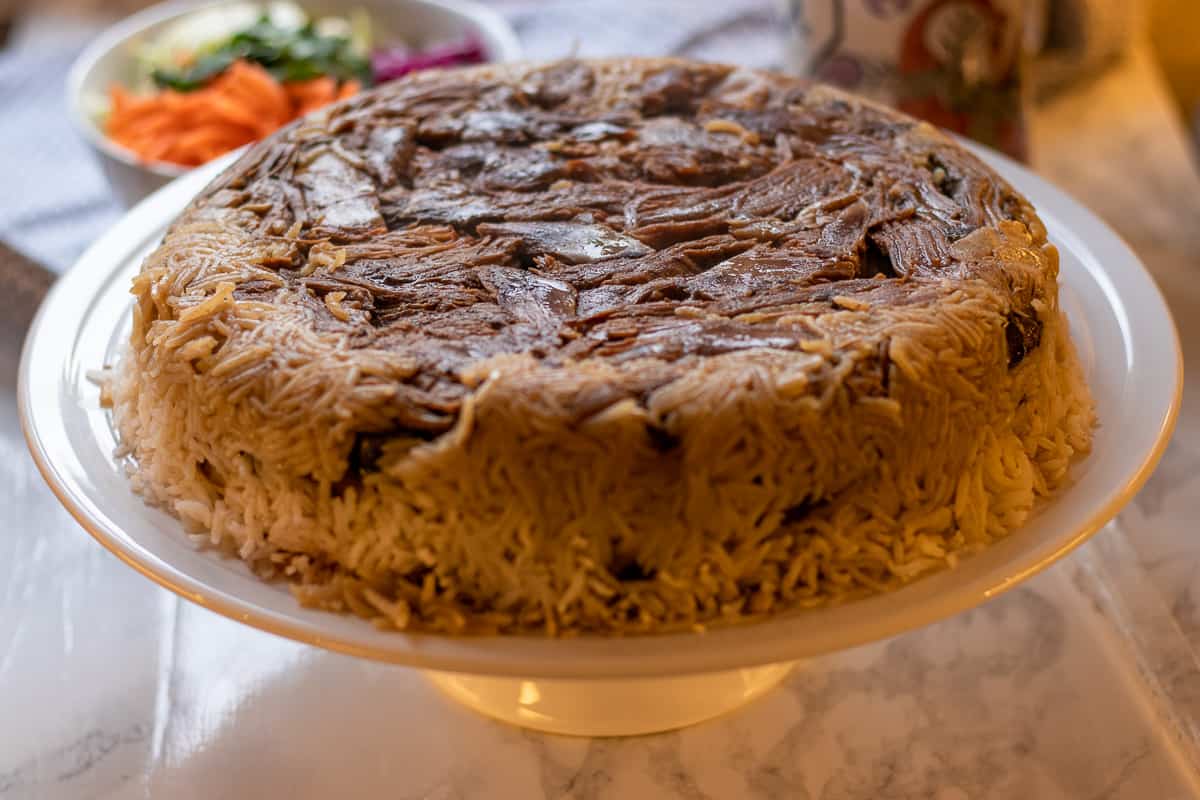
If everything has gone well, the rice will form a mound with the vegetables and meat displayed across the top.
That final reveal is one of the reasons maklouba is such a memorable dish.
How to Make Maqluba With Lamb
Maqluba lamb is particularly satisfying because the richness of lamb pairs naturally with aromatic rice and roasted vegetables.
For a lamb version, bone-in lamb can provide a flavorful broth, although boneless cuts can also work. The meat should be cooked until tender before being incorporated into the layered dish.
A typical combination might include lamb, basmati rice, eggplant, potatoes, tomatoes, onion, and warm spices. The vegetables can be roasted or fried before assembly.
Food safety still matters when preparing lamb at home. The USDA recommends cooking lamb steaks, chops, and roasts to a minimum internal temperature of 145°F, followed by at least a three-minute rest. Ground lamb should reach 160°F. USDA meat and poultry temperature guidance provides current food-safety information.
The exact cooking time will vary according to the cut, size, and preparation method, so use a food thermometer rather than relying only on appearance.
What Does Maqluba Taste Like?
Maqluba has a comforting combination of savory, aromatic, and slightly sweet flavors.
The rice absorbs the broth and spices while cooking, giving it much more character than plain steamed rice. Roasted or fried eggplant adds richness, while tomatoes can contribute acidity and moisture. Lamb brings a deeper flavor, while chicken creates a lighter version.
The spices should support the other ingredients rather than overwhelm them. Cinnamon and cardamom, for example, can provide warmth without making the dish taste sweet.
The texture is equally important. Good maqluba combines fluffy rice with tender meat and soft vegetables, while the browned edges of roasted or fried vegetables provide contrast.
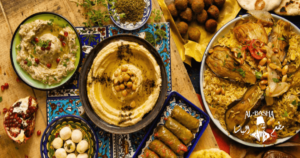
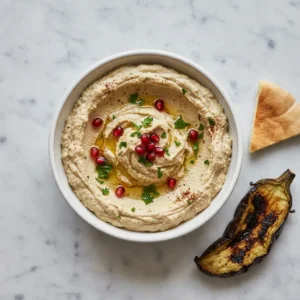
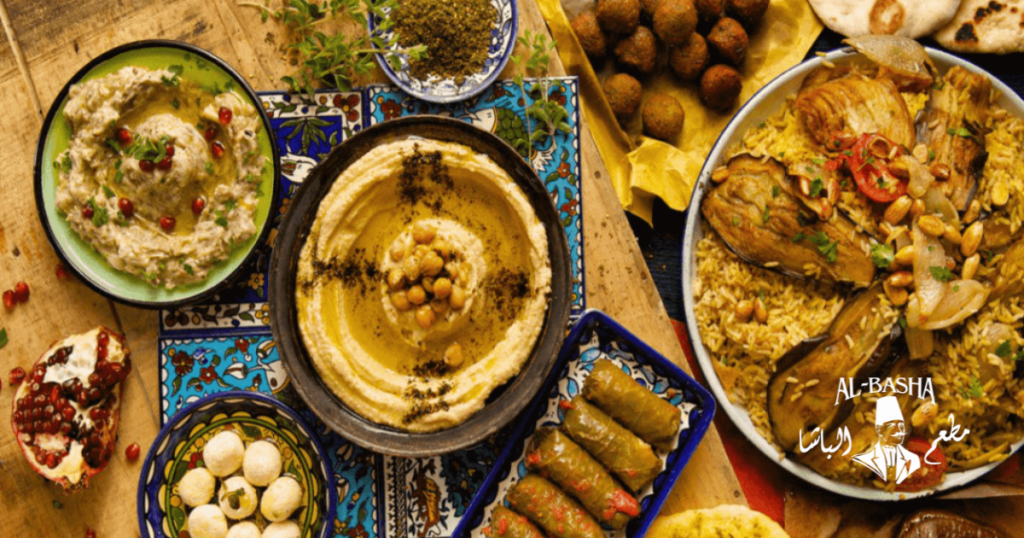
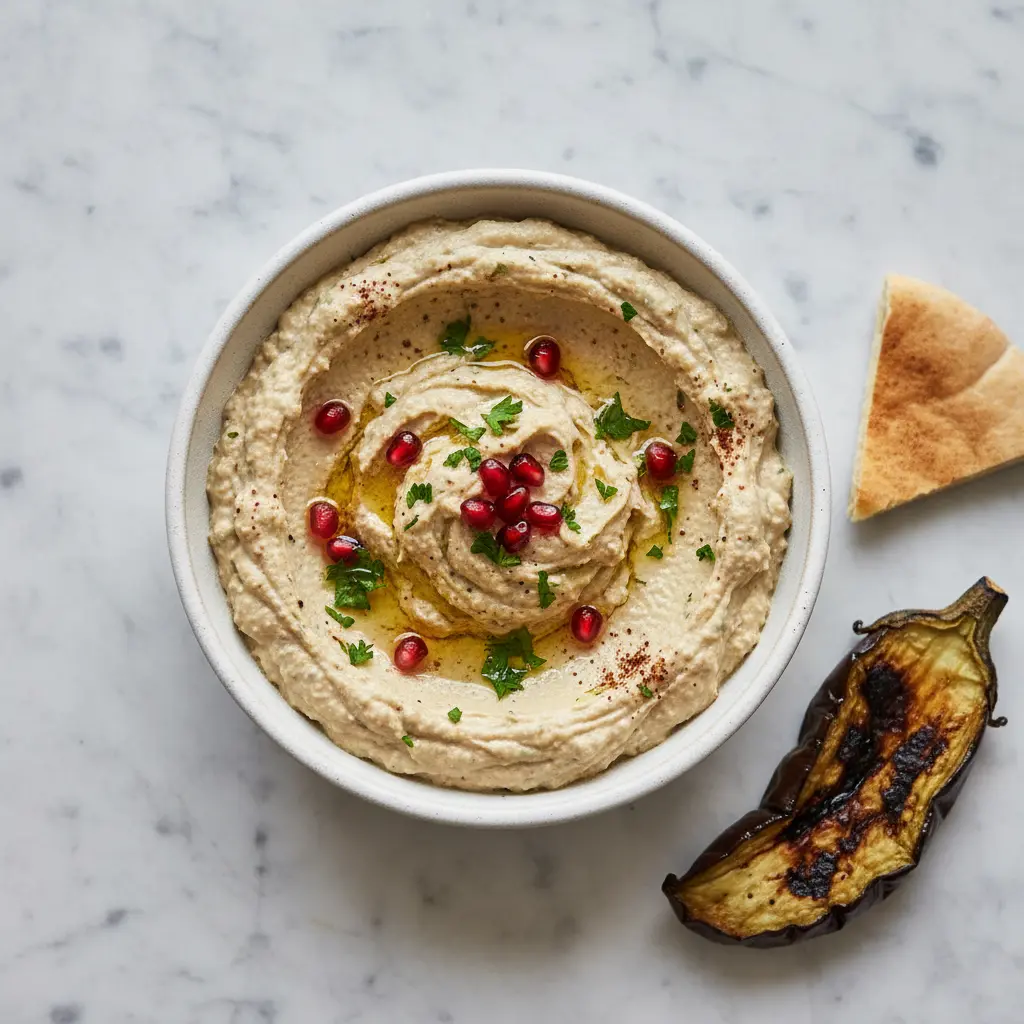
It is often served with yogurt, a fresh salad, or other simple accompaniments that balance the richness of the main dish. A Palestinian meal can also include hummus, pita, salads, and other shared dishes.
If you want to learn more about hummus as part of a Middle Eastern meal, read Al-Basha’s guide to hummus nutrition and health benefits.
Maqluba vs. Maklouba, Makluba, and Makloubeh
If you search for this dish online, you may see several different spellings.
Maqluba, maklouba, makluba, and makloubeh are common English spellings. The differences largely come from transliterating Arabic words into English in different ways.
The important thing is not the spelling but the cooking concept: layered ingredients cooked together and then turned upside down for serving.
This is why searching for a makloubeh recipe may bring up many of the same ingredients and techniques as a search for maqluba.
The dish is also part of the wider Levantine culinary tradition, with variations found in countries including Jordan, Syria, Lebanon, and Iraq. Different communities and families may use different vegetables, proteins, spices, and cooking methods.
How to Serve Maqluba
Presentation is part of the experience.
After flipping the dish, allow the layers to remain intact rather than immediately breaking everything apart. A large platter makes it easier to serve family-style.
Toasted almonds or pine nuts and fresh parsley can add texture and color. Yogurt or a fresh salad can provide a cool contrast to the warm rice and meat.
If you are preparing maqluba for guests, give yourself enough time for the meat, vegetables, rice, and broth to be prepared separately before assembly. The final cooking stage is relatively straightforward when the components are ready.
For those who would rather enjoy Palestinian food without preparing a complicated layered rice dish at home, view Al-Basha’s current menu and explore its selection of Palestinian and Middle Eastern dishes.
Where to Experience Palestinian Food in Paterson
For anyone exploring Palestinian cuisine in New Jersey, Paterson provides an opportunity to experience dishes rooted in Palestinian and broader Middle Eastern food traditions.
Al-Basha has built its restaurant around the flavors and cooking traditions associated with Ramallah. The restaurant’s story is closely connected to founder Yaser Baker, who grew up in Ramallah and opened Al-Basha in Paterson in 1998.
You can also meet Yaser Baker and learn more about the story behind Al-Basha to understand more about the restaurant’s Palestinian roots.
The restaurant serves Palestinian and Middle Eastern dishes for diners looking to experience these flavors in Paterson. Its menu includes a range of grilled meats, rice dishes, appetizers, salads, and other traditional favorites.
If you are trying Palestinian cuisine for the first time, exploring several dishes can help you understand how different ingredients and cooking techniques work together. Hummus, shawarma, musakhan, grilled meats, salads, and rice dishes each highlight a different side of the cuisine.
Final Thoughts on Maqluba
Maqluba is much more than an upside-down rice dish. Its layered preparation, aromatic spices, tender meat, and vegetables make it one of the most recognizable and satisfying dishes associated with Palestinian cuisine.
The cooking process also explains why the dish has such a strong place at family tables. Ingredients are prepared individually, brought together in one pot, and transformed through slow cooking. Then comes the moment everyone waits for: the flip.
Whether you call it maqluba, maklouba, makluba, or makloubeh, the idea remains the same. Build the layers carefully, use a flavorful broth, give the rice enough time to cook, and handle the final flip with patience.
If you want to make a Palestinian maqluba recipe at home, start with the classic combination of rice, lamb or chicken, eggplant, potatoes, tomatoes, and warm spices. If you would rather experience Palestinian cooking without spending hours in the kitchen, explore Al-Basha’s Palestinian and Middle Eastern cuisine and discover the flavors of Ramallah in Paterson.