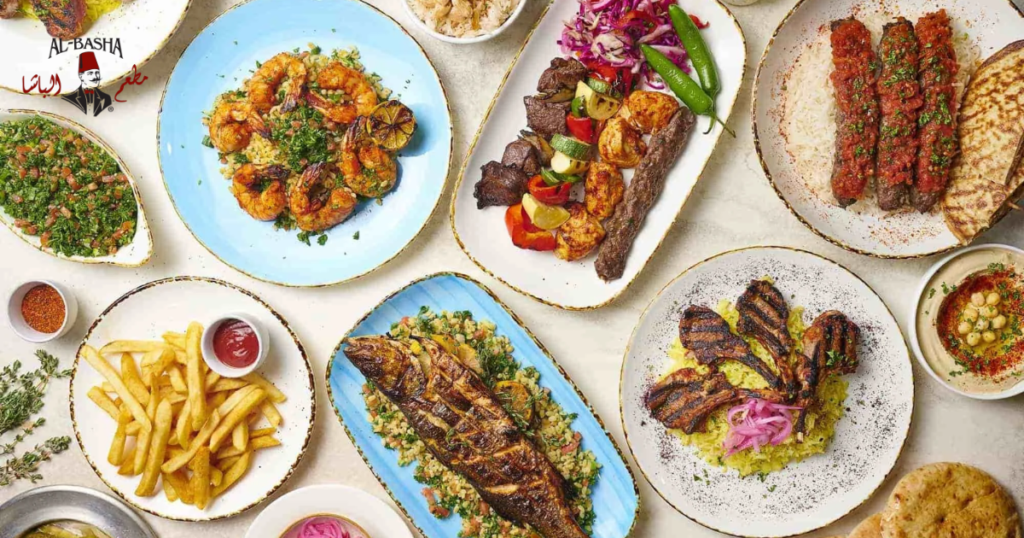
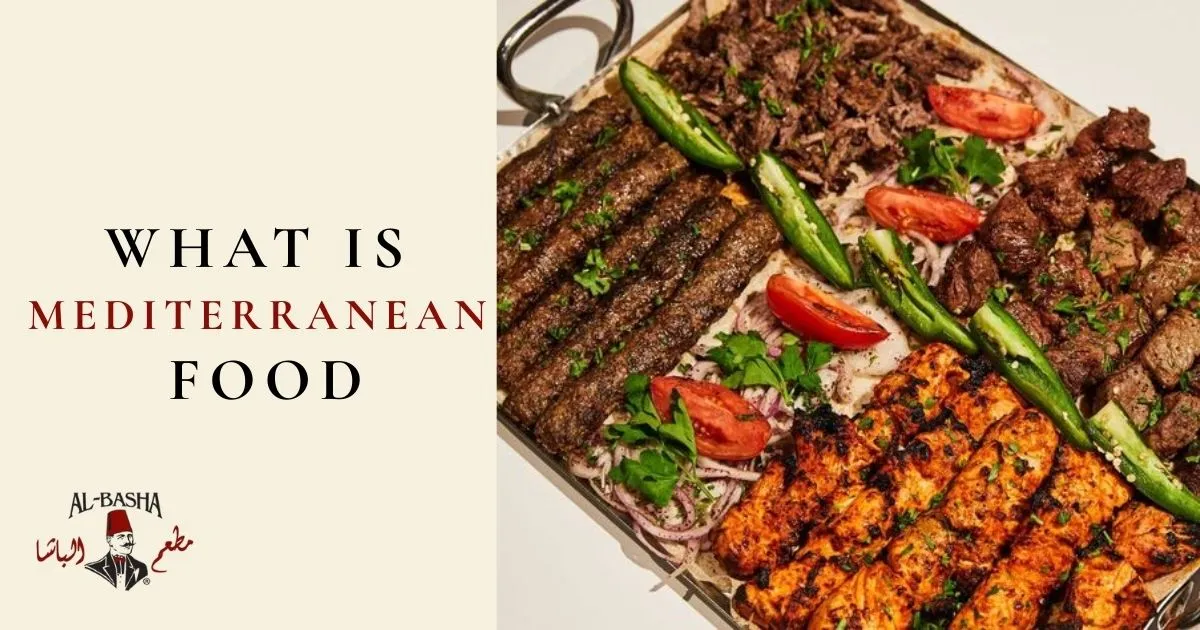

Mediterranean food refers to the traditional eating patterns of countries surrounding the Mediterranean Sea, including parts of Southern Europe, the Middle East, and North Africa. Known for its use of olive oil, fresh vegetables, legumes, grains, herbs, and lean proteins, Mediterranean food is deeply rooted in regional history, climate, and culture.
Many people ask where Mediterranean food is from, whether Mediterranean food is Greek, how many calories Mediterranean food contains, and whether Mediterranean food is healthy. The answers lie in a diverse culinary tradition that emphasizes balance, freshness, and shared meals rather than heavy processing or excess.
Understanding Mediterranean Food at Its Core
Mediterranean food is not a single cuisine or a rigid set of recipes. It is a broad category that reflects how people in Mediterranean regions have eaten for centuries, shaped by geography, agriculture, trade routes, and religious traditions.
At its foundation, Mediterranean food focuses on:
- Fresh vegetables and fruits
- Whole grains like bulgur, wheat, barley, and rice
- Legumes such as chickpeas, lentils, and fava beans
- Healthy fats, especially olive oil
- Moderate portions of fish, poultry, and dairy
- Limited red meat and sweets
Meals are often simple but layered with flavor, using herbs, garlic, lemon, onions, and spices instead of heavy sauces. This way of eating developed naturally, long before modern nutrition studies existed. Families cooked what grew locally, preserved food carefully, and shared meals as part of daily life.
Where Is Mediterranean Food From?
Mediterranean food comes from the lands that border the Mediterranean Sea, a region spanning three continents. These areas share similar climates, which influenced what people could grow and how they cooked.
Key Mediterranean regions include:
- Southern Europe: Greece, Italy, Spain, southern France
- The Middle East: Lebanon, Syria, Palestine, Jordan
- North Africa: Morocco, Tunisia, Algeria, Egypt
Each region developed its own dishes, but many ingredients and techniques overlap. Olive oil appears across almost every Mediterranean culture. Flatbreads, legumes, grilled meats, and vegetable-based dishes are common everywhere.
Trade across the Mediterranean played a major role in shaping the cuisine. Spices, grains, and cooking methods traveled by sea, blending cultures and creating shared food traditions that still exist today.
Is Mediterranean Food Greek?
Greek food is an important part of Mediterranean food, but Mediterranean food is not only Greek.
Greek cuisine contributed iconic elements such as:
- Olive oil as a primary fat
- Yogurt-based dishes
- Grilled meats and seafood
- Simple vegetable preparations with herbs and lemon
However, Mediterranean food also includes Lebanese hummus, Palestinian musakhan, Moroccan tagines, Italian pasta dishes, and Spanish seafood stews.
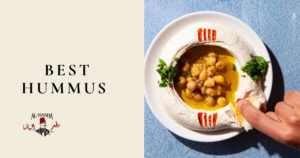
For example, hummus, one of the most recognizable Mediterranean dishes today, originated in the Eastern Mediterranean, particularly the Levant. It is a staple across Middle Eastern and Arab cuisines, not Greek cuisine. Its base of chickpeas, tahini, olive oil, and garlic reflects core Mediterranean principles: plant-based, nutrient-dense, and minimally processed.
Understanding this diversity matters, especially in places like Paterson, New Jersey, where Middle Eastern restaurants preserve authentic regional flavors rather than offering a generic “Mediterranean” label.
Key Ingredients That Define Mediterranean Food
Olive Oil
Olive oil is the backbone of Mediterranean cooking. It is used for cooking, dressing salads, and finishing dishes. Extra virgin olive oil is especially valued for its flavor and natural antioxidants.
Vegetables and Herbs
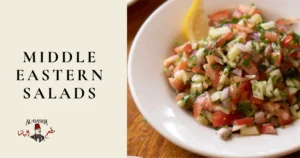
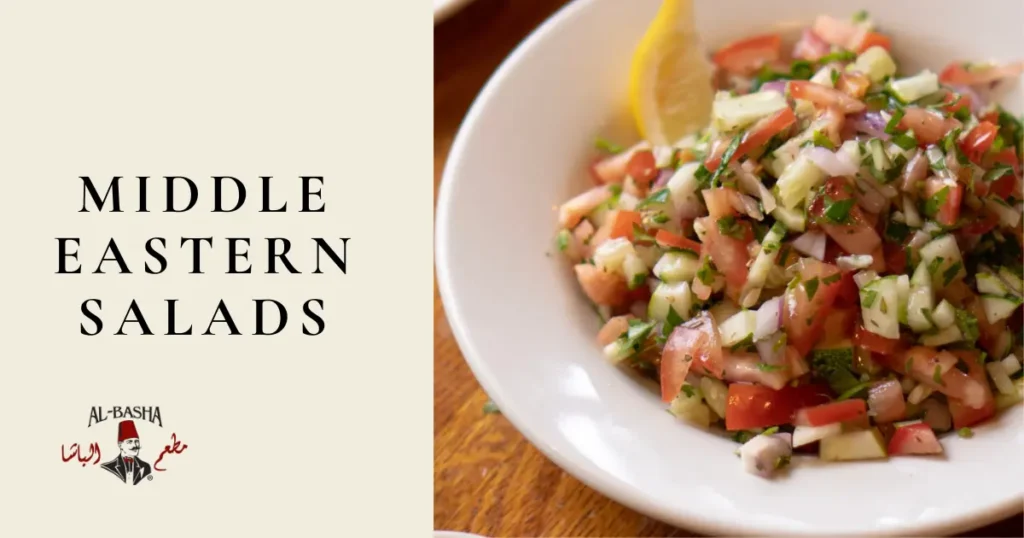
Mediterranean meals are vegetable-forward. Tomatoes, eggplant, zucchini, peppers, onions, cucumbers, and leafy greens appear daily. Fresh herbs like parsley, mint, oregano, and thyme add aroma and complexity without added calories.
Legumes and Grains
Chickpeas, lentils, and beans provide protein and fiber. Whole grains such as bulgur and wheat form the base of many traditional dishes, offering sustained energy rather than quick spikes in blood sugar.
Proteins
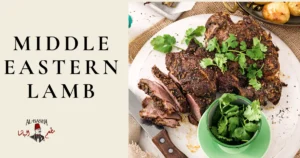
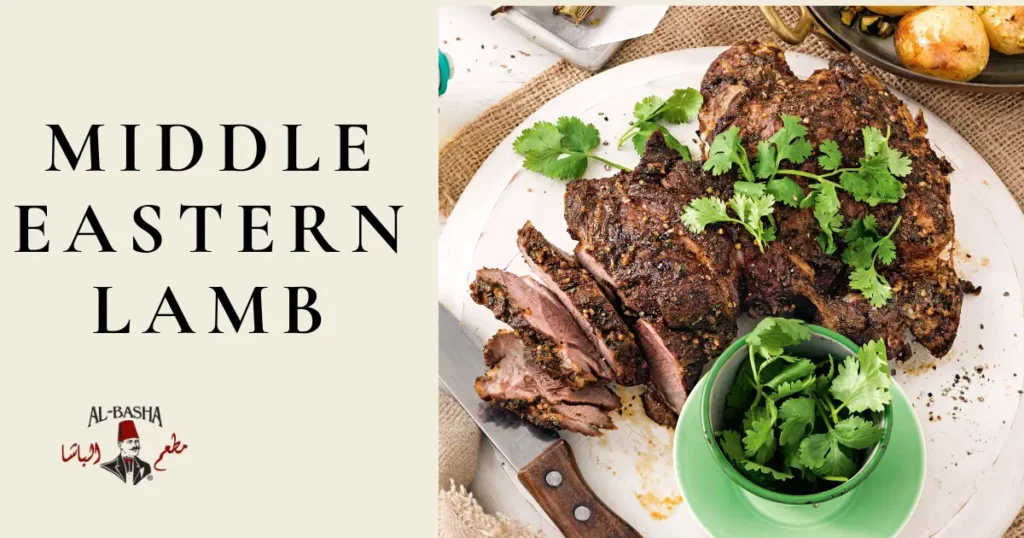
Fish and seafood are eaten regularly near coastal areas. Poultry and lamb appear more often than beef, and red meat is typically reserved for special occasions. Portions are smaller compared to modern Western diets.
Mediterranean Food Calories: What to Expect
Mediterranean food calories vary depending on preparation and portion size, but the overall pattern tends to be moderate and balanced.
Key calorie-related characteristics include:
- Healthy fats instead of trans fats
- High fiber content, which supports fullness
- Balanced meals rather than oversized portions
For example:
- A serving of hummus provides protein, fiber, and healthy fat without excessive calories when eaten in reasonable portions
- Grilled chicken or fish paired with vegetables is nutrient-dense rather than calorie-heavy
- Olive oil adds calories, but it also increases satiety, reducing the likelihood of overeating
This balance explains why Mediterranean eating patterns are often associated with sustainable weight management rather than restrictive dieting.
Is Mediterranean Food Healthy?
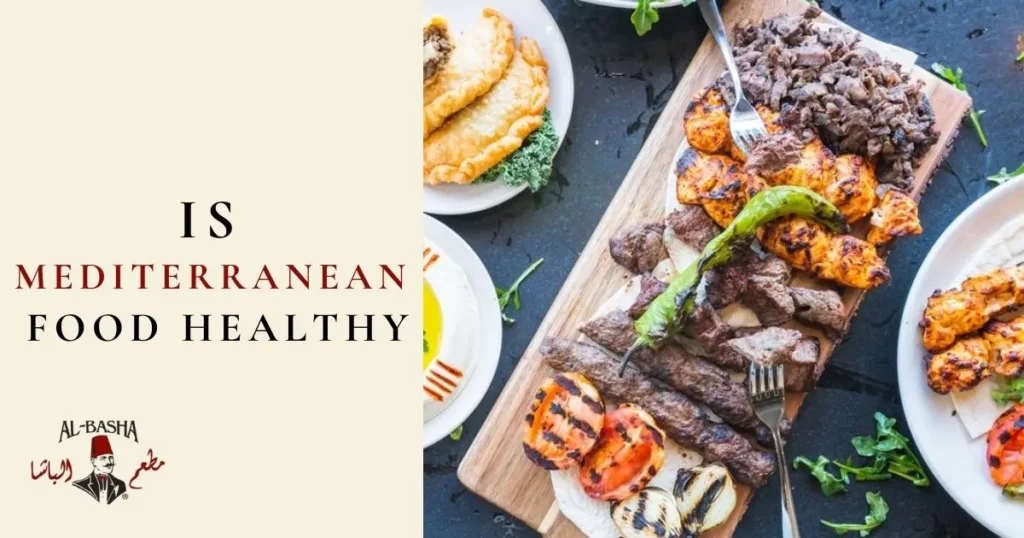
Mediterranean food is widely recognized as one of the healthiest traditional eating patterns in the world. These benefits come from the combination of whole foods, healthy fats, and limited processed ingredients.
Health-related strengths include:
- High intake of antioxidants from vegetables and olive oil
- Anti-inflammatory properties from herbs, fish, and legumes
- Lower reliance on refined sugar and processed foods
Importantly, Mediterranean food promotes consistency, not perfection. It is about everyday choices rather than short-term dietary rules.
Mediterranean Food vs. Typical Western Diet
| Aspect | Mediterranean Food | Typical Western Diet |
| Primary fats | Olive oil | Butter, refined oils |
| Vegetables | Daily and abundant | Limited |
| Protein sources | Fish, legumes, poultry | Red meat |
| Processing | Minimal | High |
| Portion sizes | Moderate | Large |
This comparison highlights why Mediterranean food feels satisfying without being heavy. It nourishes rather than overwhelms.
Why Mediterranean Food Resonates in New Jersey
New Jersey has a strong Arab-American and Mediterranean population, especially in cities like Paterson. Family-run Middle Eastern restaurants preserve recipes passed down for generations, offering food that reflects cultural identity as much as flavor.
For local residents, Mediterranean food provides:
- Familiar tastes tied to heritage
- Health-conscious options without sacrificing comfort
- A communal dining experience centered on sharing
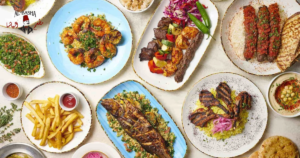
Hummus, falafel, shawarma, and freshly baked bread are not trends in these communities. They are everyday foods, prepared with care and tradition.

Real-World Example: Hummus as a Mediterranean Staple
Hummus illustrates everything Mediterranean food represents.
- Plant-based and protein-rich
- Made from simple, recognizable ingredients
- Served as part of a shared table
Authentic hummus is smooth, balanced, and not overloaded with additives. When prepared traditionally, it reflects regional technique rather than mass production. In New Jersey, especially in Middle Eastern neighborhoods, hummus is judged by texture, freshness, and balance, not by novelty toppings.
Pro Tips for Identifying Authentic Mediterranean Food
- Look for menus that emphasize vegetables, legumes, and olive oil
- Avoid places that rely heavily on cream-based sauces or fried shortcuts
- Pay attention to bread quality and freshness
- Notice whether dishes are cooked to order rather than pre-assembled
Authenticity often shows in simplicity.
Common Use Cases for Mediterranean Food
- Family dinners centered around shared plates
- Healthy lunch options that don’t feel restrictive
- Catering for large gatherings due to variety and flexibility
- Everyday meals that balance nutrition and comfort
This versatility explains its global appeal.
Why Mediterranean Food Continues to Matter
Mediterranean food endures because it aligns with how people naturally want to eat: flavorful, satisfying, and rooted in real ingredients. It respects tradition while adapting easily to modern lifestyles.
From home kitchens to Middle Eastern restaurants in New Jersey, Mediterranean food remains relevant because it feeds both body and community.
Conclusion
Understanding what Mediterranean food is means understanding a way of life shaped by geography, culture, and shared history. Originating from regions around the Mediterranean Sea, it includes Greek, Middle Eastern, North African, and Southern European traditions. It is not defined by excess calories or rigid rules, but by balance, freshness, and intention. This philosophy is reflected in how Al-Basha prepares and serves Mediterranean food rooted in tradition, guided by quality ingredients, and focused on authentic flavor.
Whether the question is where Mediterranean food is from, whether Mediterranean food is Greek, how Mediterranean food calories compare, or whether Mediterranean food is healthy, the answer consistently points to a timeless, nourishing approach to eating that continues to resonate today.
Frequently Asked Questions
Is Mediterranean food always spicy?
No. Mediterranean food focuses more on herbs, garlic, and acidity than heat. Some regions use mild spices, but overall spice levels are balanced.
Is Mediterranean food suitable for vegetarians?
Yes. Many traditional dishes are plant-based, including hummus, falafel, lentil soups, and vegetable stews.
Does Mediterranean food include dairy?
Yes, but in moderation. Yogurt and cheese appear regularly, often in smaller portions.
Is Mediterranean food good for weight management?
It can be, thanks to high fiber, healthy fats, and balanced portions.
Is all Mediterranean food halal?
Not automatically. Many Middle Eastern Mediterranean dishes are halal, but it depends on the preparation and ingredients.