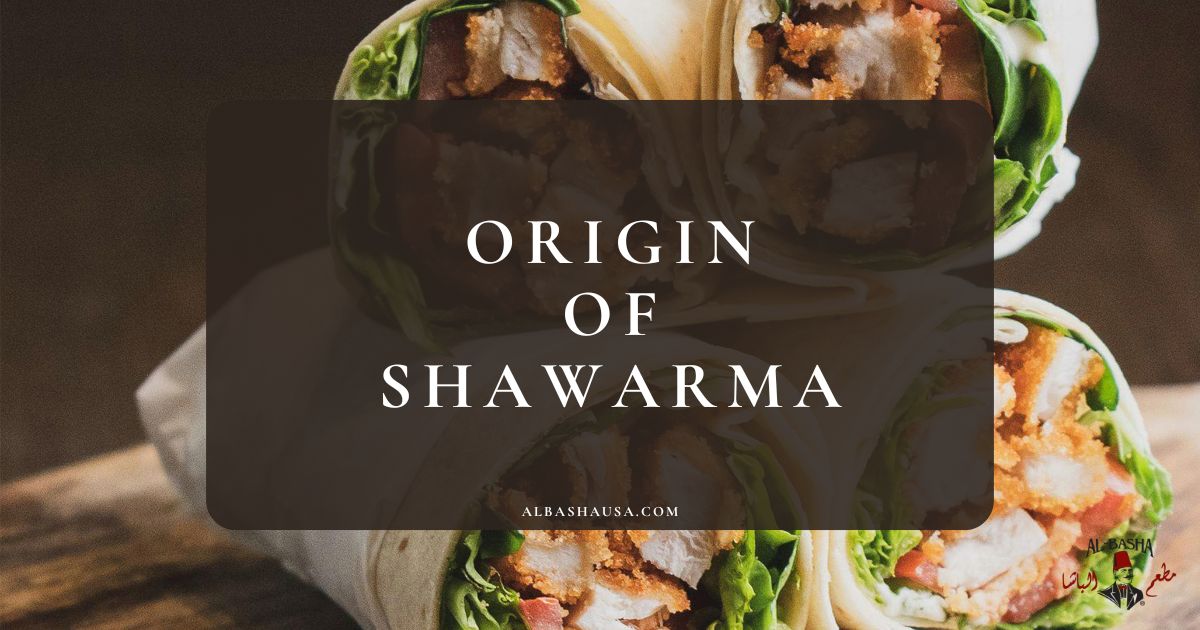

Shawarma is a popular Middle Eastern dish made by stacking seasoned meat on a vertical rotisserie, slowly roasting it, and shaving off thin slices as the outer layers cook. It is commonly prepared with chicken, beef, lamb, or other meats and served in flatbread, as a wrap, or on a plate with vegetables and sauces.
Known for its tender texture, aromatic spices, and savoury flavour, shawarma has become a favourite street food in many parts of the world. Its traditional preparation is closely associated with Levantine cuisine, including the food cultures of Palestine, Lebanon, Syria, and Jordan.
If you have ever wondered what shawarma is made of, where it originated, or how it differs from gyros and kebabs, understanding its ingredients, cooking method, and regional variations provides a useful starting point.
What Is Shawarma?
Shawarma is a meat-based dish prepared by layering marinated meat onto a vertical rotating spit. Heat cooks the outside of the stack, allowing the cook to shave off thin slices while the remaining meat continues roasting.
The traditional cooking method helps develop a browned exterior and a tender interior. The marinade, meat selection, cooking temperature, and accompanying sauces all contribute to the final flavour.
Shawarma is commonly served in several ways:
- Shawarma wrap: Thinly sliced meat wrapped in pita, saj, or another suitable flatbread with sauces and vegetables.
- Shawarma sandwich: Meat served inside bread with selected toppings and condiments.
- Shawarma plate: Sliced meat served with rice, salad, pickled vegetables, sauces, or bread on the side.
- Shawarma platter: A larger serving that may combine meat, vegetables, dips, and several accompaniments.
The ingredients and presentation vary by restaurant and region. Some versions feature garlic sauce and pickled vegetables, while others include tahini, hummus, tomatoes, or additional toppings.
Where Does Shawarma Come From?
Shawarma is closely associated with the culinary history of the Ottoman Empire and the Levant. Its preparation is related to the vertical-rotisserie cooking tradition that also gave rise to Turkish döner kebab and influenced other regional meat dishes.
The modern form of shawarma became established in the Levant, where cooks adapted the rotating-spit method to regional meats, marinades, breads, and condiments. Today, shawarma is widely enjoyed across the Middle East and internationally.
Its history is best understood as part of a broader culinary exchange rather than as the invention of one modern country. Related dishes share cooking techniques, but their names, seasoning traditions, serving styles, and cultural identities differ.
Shawarma and Its Levantine Roots
Levantine food traditions encompass a variety of grilled meats, flatbreads, salads, dips, and pickled vegetables. Shawarma fits naturally into this culinary landscape because it combines seasoned meat with accompaniments that provide contrasting flavours and textures.
In Palestinian and other Levantine food traditions, bread, garlic-based sauces, pickles, and fresh vegetables can all play an important role in how a meal is served. The exact combination depends on the local style and the cook’s preferences.
For more context, explore Al-Basha’s article on the food of Ramallah and Palestinian cuisine.
What Is Shawarma Made Of?
Traditional shawarma combines marinated meat, seasonings, a vertical-rotisserie cooking method, and accompaniments selected to complement the meat.
1. Meat
The meat is the foundation of shawarma. Common choices include:
- Chicken: Popular for its relatively mild flavour and ability to absorb marinades.
- Beef: Provides a richer, savoury flavour.
- Lamb: Offers a distinctive flavour that pairs well with warm spices.
- Veal: Used in some regional and restaurant preparations.
- Turkey: An alternative used in certain versions.
Some preparations use one type of meat, while others combine different meats. The choice affects the flavour, texture, cooking time, and nutritional profile.
2. Marinade and Spices
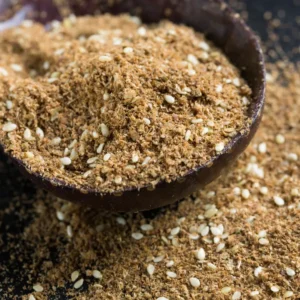
Shawarma marinades commonly combine oil, garlic, citrus juice, and a selection of spices. Depending on the recipe, the seasoning may include cumin, paprika, coriander, turmeric, cinnamon, cardamom, black pepper, allspice, or other regional ingredients.
Yogurt may be included in some chicken marinades, but it is not essential to every shawarma recipe. Similarly, no single spice blend represents every regional tradition.
The purpose of marination is to season the meat and develop flavour before cooking. The exact ingredients and marination time depend on the meat, the recipe, and the preparation method.
3. Bread
Bread is a common way to serve shawarma, particularly when the meat is prepared as a wrap or sandwich.
Common choices include:
- Pita bread
- Saj bread
- Lavash
- Taboon bread
These breads differ in thickness, texture, and flexibility. The best choice depends on the regional style and whether the shawarma is served as a tightly wrapped sandwich or a more open flatbread meal.
4. Sauces and Toppings
Sauces and toppings bring additional flavour, moisture, and texture to shawarma. Common accompaniments include garlic sauce, tahini sauce, hummus, pickled cucumbers, turnips, tomatoes, onions, and lettuce.
Some restaurant versions also include chilli sauce or French fries. These are variations rather than ingredients required in every traditional shawarma.
The balance between seasoned meat, tangy pickles, creamy sauces, and fresh vegetables is an important part of the overall eating experience.
How Is Shawarma Cooked?
The traditional shawarma cooking method uses a vertical rotisserie. The meat is seasoned, arranged in layers on a vertical spit, and slowly roasted while rotating near a heat source.
The main steps are:
- Prepare the marinade: Combine the selected spices and other ingredients according to the recipe.
- Marinate the meat: Allow the seasoning to penetrate the meat for an appropriate period.
- Stack the meat: Arrange the prepared pieces on a vertical spit.
- Roast and rotate: Cook the meat while the spit turns, allowing the exposed surface to brown.
- Shave the cooked exterior: Slice off the cooked outer layers as the interior continues cooking.
- Serve: Add the meat to bread or a plate and finish with suitable sauces and accompaniments.
The vertical rotisserie distinguishes traditional shawarma from many grilled or skewered meat preparations. However, home cooks can prepare shawarma-inspired dishes using an oven, grill, or stovetop. These methods can reproduce some of the seasoning and flavour, although they do not exactly replicate the traditional rotisserie process.
For related cooking ideas, see Al-Basha’s guide to cooking shish kabobs.
What Does Shawarma Taste Like?
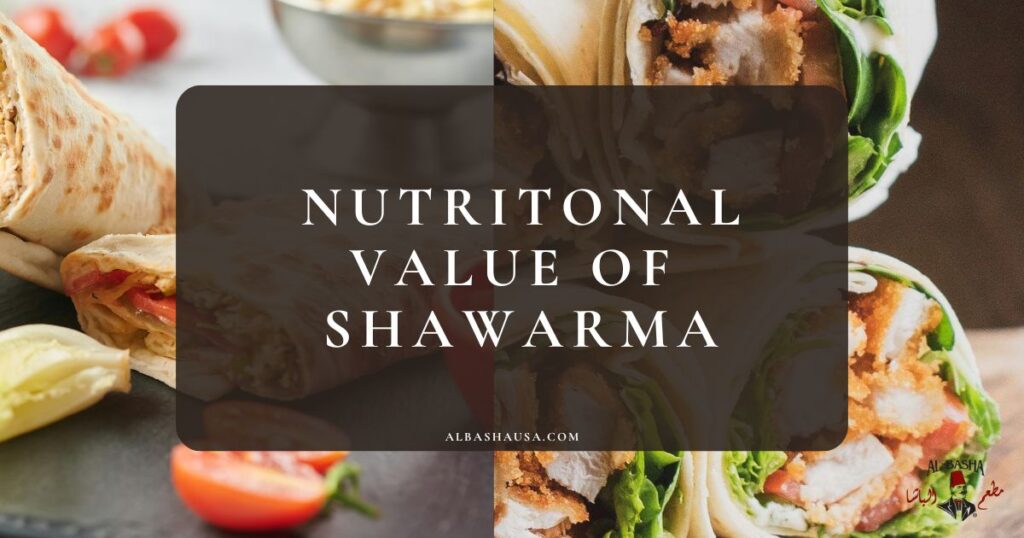
Shawarma typically has a savoury, aromatic flavour with a browned exterior and a tender texture. Its exact taste depends on the meat, marinade, cooking method, and toppings.
Chicken shawarma often has a milder flavour, while beef and lamb versions may taste richer. Cumin, paprika, coriander, garlic, and other spices contribute depth, but the blend varies between recipes.
Accompaniments also influence the overall taste:
- Garlic sauce adds a creamy, garlicky flavour.
- Tahini provides a nutty sesame taste.
- Pickled vegetables contribute acidity and crunch.
- Fresh tomatoes and lettuce add freshness.
- Chilli sauce introduces heat when included.
Shawarma is not necessarily spicy. Its seasoning can be aromatic and robust without being hot, although some versions include chilli or spicy sauces.
What Are the Different Types of Shawarma?
Shawarma varieties differ mainly in their meat, marinade, accompaniments, and regional preparation.
Chicken Shawarma
Chicken shawarma is one of the most widely available varieties. The meat is seasoned and roasted before being sliced into wraps, sandwiches, or plates.
It is commonly served with garlic sauce, pickles, and vegetables. Its relatively mild flavour makes it suitable for a wide range of seasoning combinations.
Beef Shawarma
Beef shawarma has a rich, savoury flavour that works well with aromatic spices and tangy accompaniments. It may be served in bread or as part of a plate with rice, salad, and sauces.
The final texture and flavour depend on the cut of beef, marinade, fat content, and cooking method.
Lamb Shawarma
Lamb shawarma is valued for its distinctive flavour. It may be seasoned with cumin, coriander, cinnamon, allspice, or other spices selected for the recipe.
Lamb shawarma is often served with flatbread, pickled vegetables, and sauces that complement the meat.
Mixed-Meat Shawarma
Some restaurants prepare shawarma using a combination of meats. The blend and proportions vary, so the ingredients should be confirmed with the restaurant when they matter to your dietary preferences.
Regional Shawarma Variations
Shawarma changes from place to place. Some versions use more garlic sauce, while others feature tahini, different breads, or regional pickles and vegetables. Some are served as compact wraps, while others arrive as plates with rice, salad, or additional sides.
There is no single topping combination or spice blend that defines every regional version.
Shawarma vs. Gyro: What Is the Difference?
Shawarma and gyros share a vertical-rotisserie cooking method, but they belong to different culinary traditions and are prepared with different seasoning and serving conventions.
| Feature | Shawarma | Gyro |
| Culinary tradition | Middle Eastern, especially Levantine | Greek |
| Cooking method | Traditionally roasted on a vertical spit | Commonly cooked on a vertical rotisserie |
| Meat | Chicken, beef, lamb, or other varieties | Pork or chicken are common in Greece; other meats are used in some markets |
| Seasoning | Often includes cumin, coriander, paprika, garlic, and other warm spices | Often uses herbs such as oregano alongside garlic and other seasonings |
| Common accompaniments | Garlic sauce, tahini, hummus, pickles, vegetables | Tzatziki, tomatoes, onions, and other toppings |
| Serving styles | Wraps, sandwiches, and plates | Pita wraps and plates |
Although both dishes use similar cooking technology, their identities are not interchangeable. Ingredients and serving conventions can vary, so the table describes common patterns rather than absolute rules.
For another comparison of regional food traditions, read Mediterranean vs. Greek food: what’s the difference?.
Shawarma vs. Kebab: What Is the Difference?
Kebab is a broad category of meat dishes prepared using different methods, including skewering, grilling, and roasting. Shawarma refers more specifically to seasoned meat traditionally cooked on a vertical rotisserie and shaved into thin slices.
The main difference is the preparation method, although ingredients and presentation can overlap.
Shawarma is often served in a wrap or on a plate with sauces and vegetables. Many kebab varieties are served on skewers or as grilled portions with bread, rice, salad, or other accompaniments.
Neither term describes just one recipe. Kebab varieties differ widely across the Middle East, the Mediterranean, and other regions.
Read more about kebab vs. shawarma: differences, history, and taste.
Is Shawarma Healthy?
Shawarma can fit into a balanced diet, but its nutritional value depends on the meat, portion size, cooking method, bread, sauces, and accompanying foods.
Meat provides protein, while vegetables can contribute fibre, vitamins, and minerals. Bread and sauces contribute additional carbohydrates, fats, and calories, with the amounts varying between preparations.
A chicken shawarma wrap with vegetables may have a different nutritional profile from a large beef or lamb platter with generous sauces and sides. It is therefore more accurate to assess the actual meal than to label every type of shawarma healthy or unhealthy.
Shawarma Nutrition Facts
There is no universal nutrition profile for shawarma. A useful nutrition estimate must specify the serving size and the ingredients included.
When assessing a shawarma meal, consider:
- Calories: Depend on portion size, meat, bread, oil, sauces, and sides.
- Protein: Mainly comes from the meat, with contributions from other ingredients depending on the meal.
- Carbohydrates: Commonly come from bread, rice, and some sauces.
- Fat: Varies with the meat cut, cooking fat, and sauce ingredients.
- Sodium: Can vary with seasoning, marinades, pickles, sauces, and preparation.
A 270–280 g shawarma wrap should not automatically be assigned the same calories, protein, fat, or sodium as another wrap of the same weight. If precise nutrition information is needed, use a verified recipe calculation or the restaurant’s specific nutrition data.
How to Make a More Balanced Shawarma Meal
You can adjust a shawarma meal to suit your preferences by considering the overall combination of ingredients.
- Include vegetables or salad for variety.
- Choose a portion size that suits your appetite and dietary needs.
- Consider the amount of sauce and added oil.
- Select bread, rice, or other sides according to your preferences.
- Check ingredient and allergen information if you have specific dietary requirements.
No single modification guarantees weight loss or makes a meal healthy for everyone. The overall eating pattern and individual needs matter most.
How Is Shawarma Served?
Shawarma is versatile and can be served as a quick meal or as part of a larger spread.
Shawarma Wraps and Sandwiches
A shawarma wrap combines sliced meat with bread, sauces, and toppings. Pickles and garlic sauce are common additions, while vegetables and other condiments vary by restaurant.
Shawarma Plates
A shawarma plate typically serves the meat alongside sides such as rice, salad, bread, pickled vegetables, or sauces. The combination depends on the restaurant’s menu and regional style.
Shawarma with Hummus and Other Sides
Hummus, salads, and other dips can complement shawarma by adding different textures and flavours. A selection of small dishes can also make shawarma part of a broader Middle Eastern meal.
For ideas on building a meal around regional dishes, explore what to eat with shawarma and what is mezze?.
Where to Enjoy Shawarma in Paterson, New Jersey
Shawarma is enjoyed in restaurants, food stalls, and takeout settings around the world. For anyone exploring Middle Eastern food in Paterson, New Jersey, Al-Basha offers a way to experience Palestinian and Middle Eastern cuisine.
You can explore the available dishes through the Al-Basha menu or review the restaurant’s takeout and delivery options in Paterson.
If you are planning a visit, check the menu and ordering information for the latest available dishes and serving options.
Frequently Asked Questions About Shawarma
What is shawarma made of?
Shawarma is made from seasoned meat, commonly chicken, beef, or lamb, cooked on a vertical rotisserie. It is often served with flatbread, garlic sauce or tahini, pickled vegetables, and other toppings. Ingredients vary by recipe and restaurant.
Where did shawarma originate?
Shawarma is closely associated with the Ottoman Empire’s vertical-rotisserie cooking tradition and the Levant, where the modern dish developed its distinctive regional forms. Its history is connected to related dishes such as Turkish döner kebab.
What is the difference between shawarma and gyro?
Both are commonly prepared on a vertical rotisserie, but shawarma belongs to Middle Eastern culinary traditions, particularly those of the Levant, while gyro is Greek. Seasonings, sauces, meat choices, and serving conventions differ.
What spices are used in shawarma?
Common seasonings include cumin, coriander, paprika, garlic, turmeric, cinnamon, cardamom, and black pepper. The exact blend depends on the meat, recipe, and regional style.
Is shawarma spicy?
Shawarma is usually savoury and aromatic rather than necessarily hot. Chilli, spicy marinades, or hot sauces can make some versions spicier.
What meat is used in shawarma?
Chicken, beef, and lamb are common choices. Veal, turkey, and other meats may also be used depending on the region and restaurant.
Is shawarma served only in bread?
No. Shawarma can be served in pita or another flatbread, as a sandwich, or on a plate with rice, salad, sauces, and other sides.
Is shawarma healthy?
Shawarma can be part of a balanced diet. Its nutritional profile depends on the meat, portion size, bread, sauces, cooking method, and accompanying foods. Exact nutrition figures require information about the specific preparation.
Is shawarma the same as kebab?
No. Kebab describes a broad family of meat dishes prepared using different cooking methods. Shawarma specifically refers to meat traditionally stacked on a vertical rotisserie and shaved into thin slices as it cooks.
Can shawarma be made at home?
Yes. You can season and roast thinly sliced or marinated meat in an oven or cook it on a grill or stovetop. These methods can produce shawarma-inspired flavours, although they differ from traditional vertical-rotisserie cooking.
Is shawarma halal?
Whether a particular shawarma is halal depends on the meat’s sourcing and preparation. Confirm the restaurant’s ingredients and halal information directly rather than assuming every establishment follows the same standards.
Discover Middle Eastern Flavours at Al-Basha
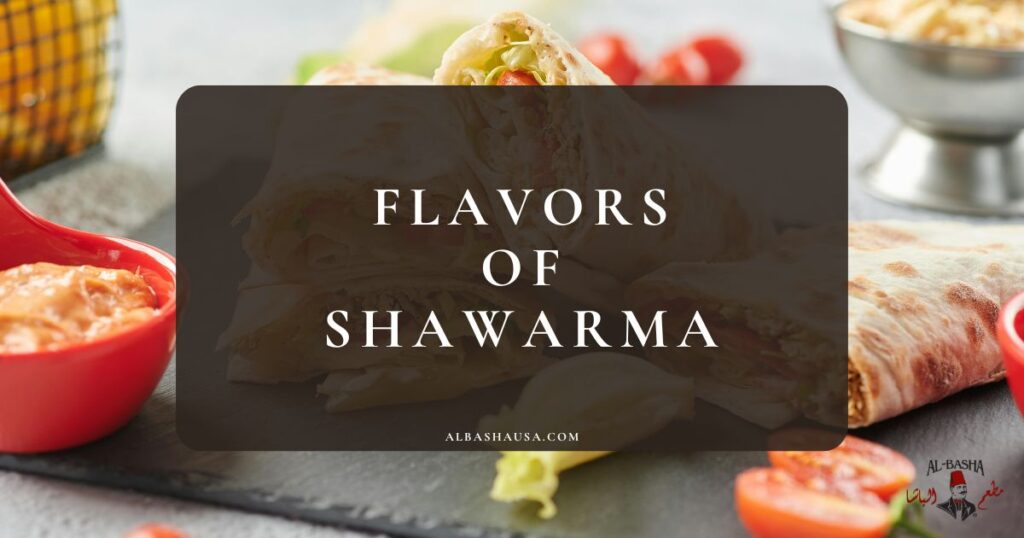
Shawarma reflects a long-standing tradition of seasoned meat, slow roasting, flatbreads, and flavourful accompaniments. From chicken and beef wraps to plates served with salads and sauces, the dish offers many ways to enjoy Middle Eastern food.
At Al-Basha, we celebrate Palestinian and Middle Eastern cuisine in Paterson, New Jersey. Explore our menu to see the available dishes and visit our dine-in page for restaurant information.
Whether you are learning about shawarma’s history or deciding how to enjoy it, understanding its ingredients and preparation helps you appreciate the dish beyond the wrap.