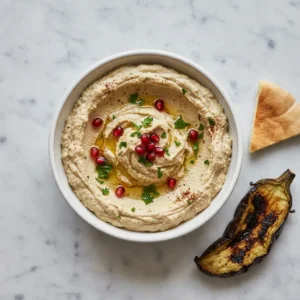

Yes, hummus freezes well and can typically be stored in the freezer for 3–6 months when kept in airtight containers. Both homemade and store-bought hummus can be frozen safely, although slight texture separation may occur after thawing. Stirring the hummus and adding a little olive oil, lemon juice, or tahini usually restores its creamy consistency.
Hummus is a smooth blend of chickpeas, tahini, olive oil, lemon juice, and garlic, widely enjoyed as a dip, spread, and side dish across Middle Eastern and Mediterranean cuisines. Whether homemade or store-bought, hummus is often prepared in larger batches, raising a common question: does hummus freeze well and how can it be stored without losing its creamy texture? Properly freezing hummus helps extend its shelf life while maintaining flavor and usability for sandwiches, bowls, wraps, and snacks.
Al-Basha Paterson is known as a trusted, authentic Middle Eastern restaurant in NJ, bringing traditional flavors to New Jersey communities.
Why Hummus Changes When Frozen
Hummus contains emulsified fats (olive oil and tahini) and plant-based proteins from chickpeas. When frozen, water molecules inside the mixture expand and form ice crystals. These crystals slightly disrupt the creamy structure, which is why thawed hummus sometimes appears grainy, thick, or separated.
Chickpeas, a key ingredient in hummus, are part of the legume family and naturally high in protein and starch. According to information from the U.S. Department of Agriculture (USDA), legumes are structurally dense and respond well to freezing compared to many fresh vegetables, which is why hummus remains safe and usable after thawing, even if texture shifts occur.
Wikipedia’s entry on hummus also notes its emulsified nature and traditional ingredients, which explains why stirring and re-emulsifying after freezing is often needed to restore consistency.
Can You Freeze Hummus?
Yes, hummus can be frozen safely without compromising its nutritional value or basic structure.
Both homemade and store-bought hummus can be stored in the freezer, making it a practical option for reducing food waste and extending shelf life. Whether the search is for “freeze hummus,” “can you freeze hummus dip,” or “can freeze hummus,” the answer remains consistent: freezing is effective when proper storage methods are used.
Frozen hummus typically maintains quality for up to 3–6 months depending on ingredients and storage conditions. Store-bought varieties sometimes last slightly longer due to stabilizers and preservatives.
Freshly prepared hummus and other mezze items can be enjoyed anytime through the restaurant’s order fresh hummus for delivery in NJ service, making it easy to enjoy authentic flavors at home.
Homemade vs Store-Bought Hummus Freezing Differences
Not all hummus behaves the same in the freezer. The ingredients and processing method significantly impact texture after thawing.
Comparison Table
| Type of Hummus | Freezer Performance | Texture After Thawing | Shelf Life (Frozen) |
| Homemade hummus | Good | Slight separation, may thicken | 3–4 months |
| Store-bought hummus | Very good | More stable, slightly smoother | 4–6 months |
| Sabra hummus | Excellent | Minimal texture change | Up to 6 months |
| Flavored hummus | Moderate | Flavor may intensify or weaken | 3–4 months |
Step-by-Step: How to Freeze Hummus Properly
Freezing hummus is simple, but correct technique determines how well it tastes later.
1. Choose airtight containers
Use freezer-safe containers or silicone portions. Avoid thin plastic or loosely sealed packaging.
2. Portion before freezing
Divide hummus into smaller servings. This makes thawing easier and reduces waste.
3. Leave space at the top
Hummus expands slightly when frozen. Leave about 1–2 cm space in each container.
4. Seal tightly
Prevent air exposure to avoid freezer burn and flavor loss.
5. Label and date
Always mark containers to track freshness.
6. Freeze immediately
Place in the coldest section of the freezer for consistent temperature.
Best Containers for Freezing Hummus

The container used directly affects texture preservation.
- Glass containers with tight lids (best for long-term storage)
- BPA-free plastic containers (lightweight and practical)
- Silicone molds (ideal for portion control)
- Freezer bags (space-saving but require double sealing)
A widely used method is freezing hummus in ice cube trays, then transferring cubes into freezer bags once solid. This makes it easy to use small amounts for sandwiches or wraps.
Those who prefer a full dining experience can enjoy authentic halal dining experience NJ at Al-Basha, where traditional Middle Eastern recipes are served fresh daily.
How to Thaw Frozen Hummus Safely
Proper thawing ensures better texture and taste.
Refrigerator method (best option)
Place frozen hummus in the refrigerator overnight. This slow thaw preserves structure.
Cold water method
Seal the container and place it in cold water for a faster thaw.
Quick method
If time is limited, short microwave intervals on defrost mode can be used, although texture may slightly degrade.
Once thawed, hummus should be consumed within 3–5 days and should not be refrozen.
FoodSafety.gov recommends thawing frozen foods in the refrigerator whenever possible to reduce bacterial risk and maintain quality.
How to Fix Texture After Freezing
Frozen hummus may appear slightly dry, separated, or grainy after thawing. This is normal and easy to correct.
Ways to restore creamy texture:
- Stir in olive oil for smoothness
- Add lemon juice for freshness
- Mix in a spoon of tahini
- Blend briefly for a whipped texture
- Add a splash of cold water if too thick
Garlic, paprika, cumin, or parsley can be added after thawing to refresh flavor.
How Long Can You Freeze Hummus?
Storage time depends on ingredients and freezing conditions.
- Homemade hummus: 3–4 months
- Store-bought hummus: 4–6 months
- Commercial brands (with preservatives): up to 6 months
Beyond this time, hummus remains safe if continuously frozen, but flavor and texture gradually decline.
Common Mistakes When Freezing Hummus
Many issues with frozen hummus come from simple storage mistakes.
Avoid these:
- Freezing in open or loosely sealed containers
- Skipping portion control
- Overfilling containers (causes expansion leaks)
- Thawing at room temperature for too long
- Refreezing after thawing
- Storing with wet spoons or contaminated utensils
Does Frozen Hummus Taste the Same?
Taste changes are minimal when hummus is properly frozen. However, subtle differences may appear:
- Slight reduction in garlic intensity
- Milder lemon flavor
- Slightly thicker texture
These changes are easy to correct with seasoning and olive oil. Many people in New Jersey Middle Eastern communities, especially in Paterson, regularly freeze homemade hummus without noticeable quality loss when properly adjusted after thawing.
Best Uses for Frozen and Thawed Hummus
Thawed hummus works well in many dishes beyond dipping:
- Sandwich and wrap spreads
- Salad dressings (when thinned)
- Grain bowls with rice or quinoa
- Protein base for grilled chicken or falafel
- Side dip for pita, vegetables, or chips
- Cooking ingredient in sauces
Frozen hummus is especially practical for meal prep and bulk cooking.
Food Safety Notes
Proper handling is essential when freezing any food product.
According to FoodSafety.gov, freezing slows bacterial growth but does not kill bacteria already present. This means hummus should always be handled with clean utensils before freezing and thawed safely in controlled temperatures.
Legumes like chickpeas, a core ingredient in hummus, are widely recognized as safe long-term storage foods when frozen correctly, according to USDA dietary guidance.
Families and groups often choose the venue for Middle Eastern private events in NJ, especially for celebrations centered around traditional food and hospitality.
Cultural Relevance of Hummus Storage
Hummus has deep roots in Middle Eastern cuisine and is widely consumed across Arab-American households in New Jersey. In busy households, freezing hummus has become a practical way to keep traditional flavors available without daily preparation.
In cities like Paterson, NJ, where Middle Eastern restaurants and family kitchens are central to food culture, hummus is often prepared in large batches for gatherings, making freezing a practical extension of traditional cooking habits.
For family gatherings and events, the restaurant offers hummus catering for events in NJ, ideal for serving fresh Mediterranean flavors at scale.
Conclusion
Freezing hummus is a reliable way to extend its shelf life while preserving its essential flavor and nutrition. Whether homemade or store-bought, hummus responds well to freezing when stored in airtight containers and thawed slowly under refrigeration. Texture changes are common but easily corrected with simple ingredients like olive oil, lemon juice, and tahini.
For households that enjoy hummus regularly, especially across Middle Eastern communities in New Jersey, freezing provides a practical solution for maintaining freshness without daily preparation. With proper handling, hummus remains one of the most freezer-friendly dips available.
For reservations, catering requests, or inquiries, guests can easily contact Al-Basha restaurant NJ to plan their next order or event.
FAQs
Can you freeze hummus homemade?
Yes, homemade hummus freezes well for up to 3–4 months when stored in airtight containers.
Can you freeze store-bought hummus?
Yes, most store-bought hummus freezes safely and often retains better texture than homemade versions.
Can you freeze Sabra hummus?
Yes, Sabra hummus freezes effectively due to its stabilized ingredients.
Can hummus be frozen in its original container?
If the container is airtight and freezer-safe, it can be frozen directly.
Why does hummus separate after freezing?
Ice crystals disrupt the emulsion, causing oil and water to separate during thawing.
Can frozen hummus be refrozen?
No, refreezing affects texture and increases food safety risks.
How long does hummus last in the fridge after thawing?
Typically 3–5 days when kept refrigerated in a sealed container.
Can frozen hummus be used for cooking?
Yes, it works well in sauces, marinades, and baked dishes after thawing.