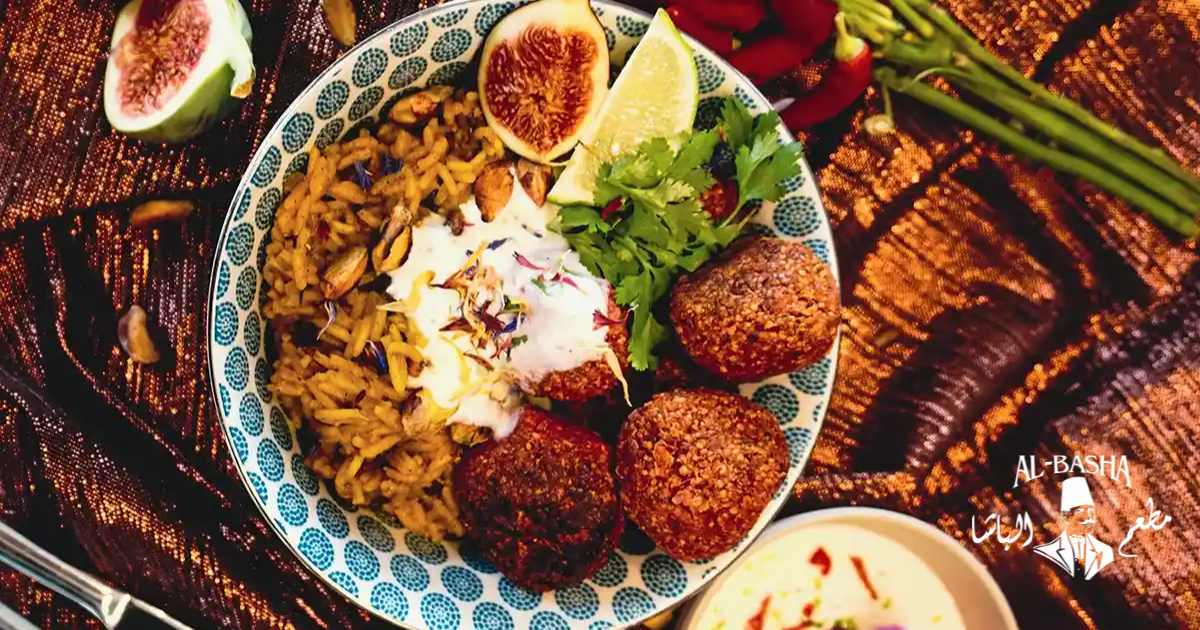

Ramallah, a vibrant city in the heart of Palestine, is not just known for its political and cultural significance but also for its deeply rooted culinary heritage. The city’s food tells stories of tradition, hospitality, resilience, and identity. Every dish reflects centuries of cultural exchange and family traditions passed from generation to generation.
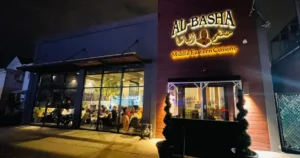
In this culinary journey, we explore the rich flavors of Ramallah while highlighting how Al-Basha Paterson celebrates authentic Middle Eastern cuisine through its commitment to tradition and taste.
The Essence of Ramallah’s Food Culture
Food in Ramallah is more than nourishment; it is a social experience. Meals are often shared, large portions are served, and hospitality is at the center of every dining table. Guests are treated like family, and refusing food is often considered impolite.
Key Characteristics of Ramallah Cuisine:
- Strong use of olive oil, herbs, and spices
- Heavy reliance on fresh vegetables, grains, and legumes
- Traditional slow-cooked meals
- Deep influence of Levantine and Mediterranean flavors
- Strong culture of shared dining and hospitality
According to cultural food traditions, Palestinian meals often include large shared plates, especially during family gatherings and celebrations, reinforcing unity and togetherness.
Iconic Traditional Dishes of Ramallah
Ramallah’s cuisine is rich with iconic dishes that define Palestinian identity. These meals are not just food; they are cultural symbols.
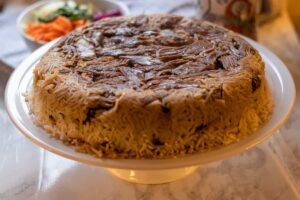
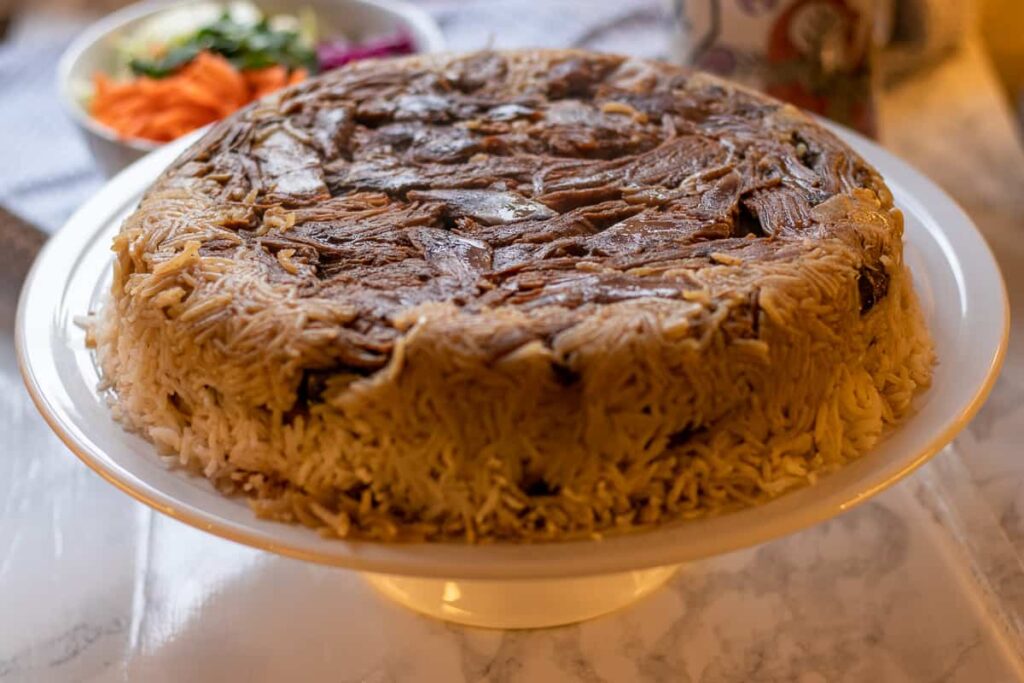
1. Maqluba: The Upside-Down Wonder
Maqluba, meaning “upside down,” is one of the most famous dishes in Ramallah.
Key Ingredients:
- Rice
- Chicken or lamb
- Eggplant, cauliflower, potatoes
- Aromatic spices like cinnamon and turmeric
Why is it special:
- Symbol of family gatherings
- Visually impressive presentation
- Rich, layered flavor profile
2. Musakhan: Palestine’s National Dish
People consider Musakhan one of the most beloved traditional dishes in Palestine.
Main ingredients:
- Roasted chicken
- Sumac spice
- Caramelized onions
- Taboon bread
- Olive oil and pine nuts
This dish represents Palestinian hospitality and is often prepared for large family gatherings.
3. Mujadara: The Comfort Food
A simple yet deeply satisfying dish made from:
- Lentils
- Rice or bulgur
- Caramelized onions
It is known for its affordability and nutritional value, making it a staple across households.
4. Warak Enab: Stuffed Grape Leaves
These delicate grape leaves are filled with:
- Rice
- Minced meat
- Herbs like parsley and mint
Slow-cooked to perfection, they are often served with yogurt or lemon.
Popular Ramallah Dishes Overview
| Dish Name | Main Ingredients | Flavor Profile | Cultural Significance |
| Maqluba | Rice, meat, vegetables | Spiced & hearty | Family gatherings |
| Musakhan | Chicken, sumac, onions | Tangy & savory | National identity |
| Mujadara | Lentils, rice, onions | Earthy & mild | Everyday comfort food |
| Warak Enab | Grape leaves, rice | Fresh & herbal | Festive occasions |
Street Food Culture in Ramallah
Street food is an essential part of daily life in Ramallah. From small stalls to local cafés, food is available everywhere.
Popular Street Foods:
- Falafel: Crispy chickpea balls served in pita bread
- Shawarma: Spiced meat wraps with tahini and vegetables
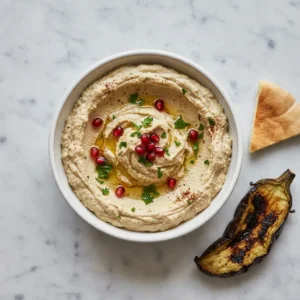
- Hummus: Creamy chickpea dip with olive oil
- Fattoush: Fresh vegetable salad with crispy bread
These foods are widely available and reflect the everyday lifestyle of locals.
Mezze Culture: The Heart of Sharing
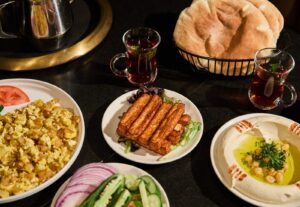
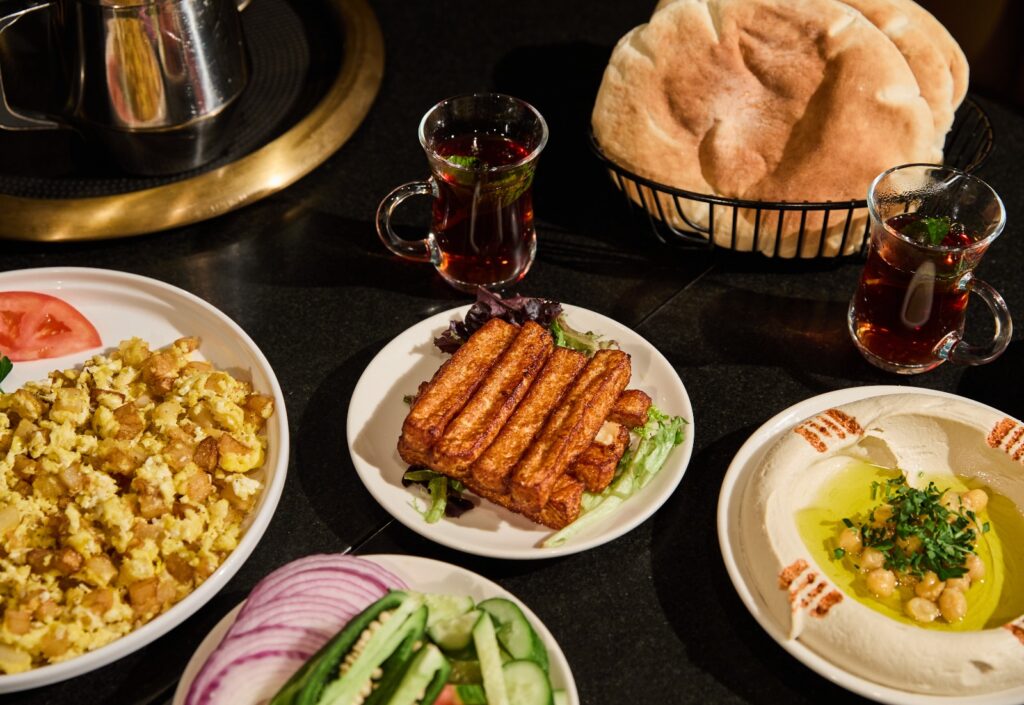
One of the most important dining traditions in Ramallah is mezze, a collection of small dishes served together.
Common Mezze Items:
- Hummus
- Baba ghanoush
- Labneh (strained yogurt)
- Olives and pickles
- Fresh pita bread
Mezze represents generosity and hospitality, encouraging shared eating and conversation.
At Al-Basha, this tradition is honored by offering authentic mezze platters that bring people together just like in Ramallah homes.
Sweet Delights of Ramallah
No Palestinian meal is complete without dessert. Ramallah offers some of the most iconic sweets in the Middle East.
1. Knafeh (Kunafa)
A sweet cheese pastry soaked in sugar syrup and topped with pistachios.
2. Baklava
Layers of filo pastry filled with nuts and honey.
3. Qatayef
Sweet dumplings filled with cream or cheese, especially popular during Ramadan.
Knafeh, in particular, is a cultural symbol of celebration and joy across Palestine.
Traditional Desserts of Ramallah
| Dessert | Main Ingredients | Texture | Occasion |
| Knafeh | Cheese, syrup, semolina | Crispy & soft | Celebrations |
| Baklava | Nuts, filo pastry | Crunchy & sweet | Festive events |
| Qatayef | Dough, cream/nuts | Soft & filled | Ramadan |
The Role of Olive Oil and Zaatar
Olive oil and zaatar are foundational ingredients in Palestinian cuisine.
- Olive oil: Used in almost every dish, symbolizing purity and heritage
- Zaatar: A spice mix of thyme, sesame seeds, and sumac
A simple breakfast often includes bread dipped in olive oil and zaatar, showing how simplicity defines authenticity.
Hospitality: The Soul of Ramallah Cuisine
Hospitality is central to Palestinian culture. Guests are welcomed with generous meals that often include:
- Multiple courses
- Large shared platters
- Endless tea and coffee
A meal is not considered complete without long conversations and social bonding.
How Al-Basha Brings Ramallah’s Taste to You
At Al-Basha, we are committed to preserving the authentic flavors of Palestinian cuisine. Inspired by Ramallah’s culinary traditions, we bring:
- Authentic Middle Eastern recipes
- Traditional cooking methods
- High-quality ingredients
- A true taste of cultural heritage
Our goal is to make every dish feel like a journey back to Ramallah’s warm kitchens and family tables.
Conclusion
The food of Ramallah is more than just cuisine—it is history, identity, and emotion served on a plate. From Maqluba to Musakhan and sweet Knafeh, every dish carries a story of tradition and togetherness.
By exploring these flavors, we not only enjoy delicious meals but also connect with a rich cultural heritage. Through Al-Basha Paterson, this culinary journey becomes accessible, allowing people everywhere to experience the authentic taste of Ramallah.
FAQS
1. What is the most popular dish in Ramallah?
The most popular dish in Ramallah is Musakhan, made with roasted chicken, sumac, onions, and olive oil on taboon bread. It is a traditional Palestinian favorite served at gatherings.
2. What makes Ramallah food special?
Ramallah food is special because it uses fresh ingredients like olive oil, herbs, and grains. It also reflects strong cultural traditions and family-style shared meals.
3. Is Palestinian cuisine healthy?
Yes, Palestinian cuisine is generally healthy as it includes olive oil, vegetables, legumes, and grilled foods. It follows a natural Mediterranean diet pattern.
4. What is Maqluba?
Maqluba is a traditional dish made with rice, meat, and vegetables cooked together and then flipped upside down before serving. It is a signature Palestinian meal.
5. What does Al-Basha offer in relation to Ramallah cuisine?
Al-Basha brings authentic Middle Eastern flavors inspired by Ramallah’s traditional dishes. It focuses on preserving original taste and cultural food heritage.