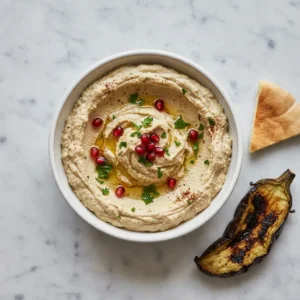


Yes, hummus is one of the healthiest dips you can add to a balanced diet. Made from chickpeas, tahini, extra virgin olive oil, lemon juice, and garlic, traditional hummus provides plant-based protein, dietary fiber, heart-healthy unsaturated fats, and essential vitamins and minerals. Research suggests that eating hummus as part of an overall healthy dietary pattern may support heart health, blood sugar control, digestive health, and healthy weight management while improving overall diet quality.
Is Hummus Good for You?
Walk through any supermarket or Mediterranean restaurant, and you’ll probably find hummus sitting alongside vegetables, pita bread, wraps, and grain bowls. It’s often promoted as a healthy alternative to creamy dips and spreads, but many people still wonder:
- Is hummus actually healthy?
- Can you eat hummus every day?
- Is hummus good for weight loss?
- Is store-bought hummus as healthy as homemade?
The short answer is yes, but like most foods, the full answer depends on the ingredients, portion size, and how you include it in your diet.
Unlike highly processed dips that rely on saturated fats, artificial preservatives, or added sugars, authentic hummus is built around whole-food ingredients that have been staples of the Mediterranean diet for generations. Chickpeas provide complex carbohydrates, plant protein, and fiber. Tahini contributes healthy fats and minerals. Extra virgin olive oil supplies heart-friendly monounsaturated fats and antioxidants, while garlic and lemon juice add flavor along with beneficial plant compounds.
Research also shows that people who regularly eat chickpeas and hummus tend to consume more fiber, magnesium, folate, potassium, and vitamins A, C, and E than those who do not. They also generally have better overall diet quality and healthier body weight measurements.
That doesn’t mean hummus is a miracle food. It still contains calories, and not every commercial brand is created equal. Some packaged varieties contain higher sodium levels, additional oils, or preservatives that reduce their nutritional value.
In this guide, you’ll learn exactly what makes hummus healthy, what the science says about its benefits, and how to enjoy it as part of a balanced lifestyle.
Hummus at a Glance
| Feature | Details |
| Main ingredient | Chickpeas |
| Origin | Levant & Eastern Mediterranean |
| Protein | Plant-based |
| Dietary Fiber | High |
| Healthy Fats | Yes |
| Vegan | Traditional recipe |
| Gluten-Free | (when served without wheat products) |
| Best Serving Size | 2–4 tablespoons |
What Is Hummus?
Hummus is a traditional Middle Eastern and Levantine dish made primarily from:
- Chickpeas
- Tahini (ground sesame seeds)
- Extra virgin olive oil
- Lemon juice
- Garlic
These simple ingredients are blended into a smooth, creamy dip that has been enjoyed across the region for centuries. Today, hummus is popular worldwide because it is versatile, satisfying, and naturally rich in nutrients.
Authentic Palestinian hummus, like the recipes traditionally prepared in Ramallah and throughout the Levant, focuses on fresh ingredients rather than artificial flavorings or preservatives. While modern commercial versions often introduce additional oils, stabilizers, or excess sodium, traditional hummus keeps the ingredient list simple and nutrient-dense.
To understand the cultural roots of hummus, explore more about Palestinian cuisine and the flavors of Ramallah that shaped many traditional dishes.
Why Is Hummus Considered a Healthy Food?
Hummus isn’t healthy because of one “superfood” ingredient. It’s the combination of nutrient-rich foods working together.
Each ingredient contributes unique nutritional benefits.
| Ingredient | Health Benefits |
| Chickpeas | Plant protein, dietary fiber, iron, folate |
| Tahini | Calcium, magnesium, healthy fats |
| Olive Oil | Monounsaturated fats and antioxidant compounds |
| Lemon Juice | Vitamin C and flavor without added sodium |
| Garlic | Natural plant compounds that support overall health |
Together, these ingredients create a food that’s naturally rich in:
- Plant protein
- Complex carbohydrates
- Dietary fiber
- Unsaturated fats
- Vitamins
- Minerals
- Antioxidants
Unlike many processed snack foods, hummus contains very little added sugar and can help replace spreads that are higher in saturated fat or refined ingredients. Research reviewing hummus and its ingredients concluded that incorporating hummus into the diet can improve diet quality and replace foods that are higher in saturated fat, sodium, or added sugars.
Hummus is one of the most recognized foods in the Mediterranean diet, a style of eating focused on vegetables, legumes, olive oil, and whole foods.
Hummus Nutrition Facts
The exact nutritional values vary depending on the recipe and brand, but a traditional serving of hummus provides a balanced mix of protein, fiber, and healthy fats. Adding hummus alongside other healthy Mediterranean foods can create a more balanced and satisfying meal.
Nutrition Per 2 Tablespoons (Approximately 30g)
| Nutrient | Amount |
| Calories | 70–80 |
| Protein | 2–3 g |
| Fat | 5–6 g |
| Carbohydrates | 4–5 g |
| Fiber | 2 g |
| Sugar | Less than 1 g |
| Sodium | Varies by recipe |
In addition to macronutrients, hummus contains meaningful amounts of:
- Folate
- Magnesium
- Iron
- Phosphorus
- Copper
- Manganese
- Potassium
These nutrients play important roles in energy production, immune function, muscle health, and normal cell growth.
Why Chickpeas Make Hummus So Nutritious
Chickpeas are the nutritional foundation of hummus.
As a member of the legume family, chickpeas are naturally high in:
- Dietary fiber
- Resistant starch
- Plant protein
- Iron
- Folate
- Magnesium
The fiber found in chickpeas helps slow digestion, supporting steadier blood sugar levels and promoting a feeling of fullness after meals. Resistant starch also serves as food for beneficial gut bacteria, contributing to digestive health.
Recent nutrition research has consistently linked legumes, including chickpeas, with healthier dietary patterns and improved nutrient intake, making them a key component of the Mediterranean diet.
Is Hummus Healthier Than Other Dips?
One reason dietitians often recommend hummus is that it can replace dips made with refined oils, added sugars, or high levels of saturated fat.
| Dip | Protein | Fiber | Healthy Fat | Nutrient Density |
| Hummus | ✔ | ✔ | ✔ | High |
| Mayonnaise | ✘ | ✘ | Moderate | Low |
| Ranch Dressing | Low | ✘ | Moderate | Low |
| Cheese Dip | Moderate | ✘ | Mostly Saturated Fat | Moderate |
When paired with vegetables, whole-grain crackers, or whole wheat pita, hummus becomes part of a balanced snack rather than simply a condiment.
Science-Backed Health Benefits of Hummus
1. Supports Heart Health
Heart disease remains one of the leading causes of death worldwide, making everyday dietary choices increasingly important.
Several ingredients in hummus support cardiovascular health:
- Chickpeas provide soluble fiber that may help maintain healthy cholesterol levels.
- Extra virgin olive oil is rich in monounsaturated fats associated with improved heart health.
- Tahini contributes unsaturated fats and minerals.
- Garlic contains plant compounds studied for cardiovascular benefits.
Research has found that regular consumption of hummus and chickpeas is associated with improved diet quality and favorable cardiovascular risk markers compared with non-consumers.
2. Helps Support Healthy Blood Sugar Levels
One of hummus’s biggest nutritional advantages is its combination of:
- Complex carbohydrates
- Fiber
- Protein
- Healthy fats
This combination slows digestion compared with refined carbohydrates, helping moderate the rise in blood sugar after eating.
Clinical research has shown that hummus consumption can improve post-meal glycemic control and may contribute to healthier glucose regulation when included in a balanced diet.
3. Promotes Better Digestive Health
A healthy digestive system depends on adequate fiber intake, yet many adults consume less fiber than recommended.
Hummus helps close that gap.
The chickpeas provide soluble and insoluble fiber that supports:
- Regular bowel movements
- Beneficial gut bacteria
- Improved digestive comfort
- Greater feelings of fullness
Because hummus combines fiber with healthy fats and protein, it can be a more satisfying snack than highly processed alternatives.
4. Hummus Is a Good Source of Plant-Based Protein
Protein is essential for repairing tissues, maintaining muscle, producing enzymes, and supporting your immune system.
Although hummus isn’t a high-protein food compared with chicken or Greek yogurt, it still provides meaningful amounts of plant protein that contribute to your daily intake.
A standard serving (2 tablespoons) provides around 2–3 grams of protein, while larger servings naturally provide more.
The biggest advantage isn’t simply the protein content.
It’s the combination of the following:
- Plant protein
- Dietary fiber
- Healthy fats
- Complex carbohydrates
This combination keeps you satisfied longer than refined snacks like chips or crackers.
If you follow a vegetarian or vegan diet, hummus becomes even more valuable because it helps diversify your plant protein intake alongside beans, lentils, tofu, quinoa, and whole grains.
Best Protein Pairings
For a balanced meal, pair hummus with:
- Whole-grain pita
- Grilled chicken
- Falafel
- Roasted vegetables
- Quinoa bowls
- Whole-grain wraps
- Fresh salads
5. Hummus May Help With Weight Management
One of the biggest myths about hummus is that it’s “too fattening.”
The reality is more nuanced.
Yes, hummus contains calories because it’s made with olive oil and tahini.
However, calories alone don’t determine whether a food supports healthy weight management.
Foods rich in protein and fiber generally increase satiety, meaning they help you stay full for longer.
Clinical research found that replacing a sugary afternoon snack with hummus significantly reduced hunger, increased feelings of fullness, improved overall diet quality, and even reduced dessert consumption later in the day. Participants also experienced lower afternoon blood glucose levels compared with eating a granola bar.
Why Hummus Helps You Feel Full
- Fiber slows digestion.
- Protein supports satiety.
- Healthy fats delay stomach emptying.
- Lower sugar content reduces rapid hunger rebounds.
Instead of eliminating hummus because of its calorie content, focus on portion size.
Is Hummus Good for Weight Loss?
Yes, hummus can support weight loss when eaten in appropriate portions as part of a calorie-controlled diet.
It isn’t a weight-loss food by itself.
Instead, it helps by replacing foods that are
- Higher in saturated fat
- Lower in fiber
- Highly processed
- High in added sugar
For example, replacing mayonnaise with hummus in sandwiches or using hummus instead of creamy dips with vegetables increases nutrient density while improving fiber intake.
Research reviewing hummus consumption concluded that incorporating hummus into the diet can improve appetite control and overall diet quality while replacing less nutritious foods.
Explore our Middle Eastern menu and discover authentic Palestinian dishes prepared fresh at Al-Basha.
Hummus Contains Natural Anti-Inflammatory Compounds
Inflammation is a normal response that helps your body heal after injury or infection.
However, chronic low-grade inflammation has been associated with conditions such as:
- Heart disease
- Type 2 diabetes
- Obesity
- Certain cancers
Several ingredients in traditional hummus naturally contain compounds linked with reduced inflammation.
Olive Oil Extra virgin olive oil contains polyphenols and monounsaturated fats that are associated with healthier inflammatory markers.
Garlic Garlic provides sulfur-containing compounds that have been widely studied for their antioxidant and anti-inflammatory properties.
Chickpeas Legumes contain fiber and plant compounds that support a healthy gut microbiome, which may also influence inflammatory processes.
Rather than relying on a single “superfood,” experts recommend eating a dietary pattern rich in legumes, vegetables, olive oil, and whole grains, which is exactly where hummus fits within the Mediterranean diet.
Visit Al-Basha for a traditional dine-in Mediterranean experience in Paterson, NJ.
Hummus Provides Important Vitamins and Minerals
Macronutrients often get the spotlight, but hummus also delivers several essential micronutrients.
| Nutrient | Why It Matters |
| Folate | Supports DNA synthesis and healthy cell growth |
| Iron | Helps transport oxygen through the body |
| Magnesium | Supports muscles, nerves, and energy production |
| Copper | Helps produce red blood cells |
| Phosphorus | Supports healthy bones and teeth |
| Manganese | Plays a role in metabolism and antioxidant function |
| Potassium | Supports normal muscle and nerve function |
Together, these nutrients contribute to overall health and make hummus more nutrient-dense than many processed snack foods.
Can You Eat Hummus Every Day?
One of the most common questions is whether hummus is healthy enough to enjoy daily.
For most healthy adults, yes.
Eating hummus regularly can help increase your intake of:
- Legumes
- Fiber
- Unsaturated fats
- Plant protein
All of these are food groups that many people don’t consume enough of.
The key is moderation.
A serving of 2 to 4 tablespoons works well as part of the following:
- Lunch
- Healthy snacks
- Sandwiches
- Grain bowls
- Mediterranean meals
If you’re buying packaged hummus, compare nutrition labels because sodium levels can vary significantly between brands.
Is Store-Bought Hummus Healthy?
Store-bought hummus can absolutely be part of a healthy diet.
However, not every brand follows a traditional recipe.
Some products contain:
- Excess sodium
- Refined seed oils
- Preservatives
- Artificial flavorings
- Added stabilizers
When shopping, look for hummus made with the following:
- Chickpeas
- Tahini
- Extra virgin olive oil
- Lemon juice
- Garlic
- Simple seasonings
A shorter ingredient list generally reflects a more traditional preparation.
Homemade vs Store-Bought Hummus
| Feature | Homemade | Store-Bought |
| Ingredient Control | Excellent | Varies |
| Sodium | Adjustable | Often higher |
| Preservatives | None | Sometimes included |
| Freshness | Highest | Depends on brand |
| Shelf Life | Shorter | Longer |
| Flavor | Fresh and customizable | Consistent but varies |
Homemade hummus allows you to control the amount of salt and oil while adjusting flavors to your preference.
That said, a high-quality refrigerated hummus made with traditional ingredients can still be a nutritious choice.
Is Hummus Good for People With Diabetes?
People living with diabetes often look for foods that help maintain stable blood sugar levels.
Traditional hummus can fit well into a diabetes-friendly eating plan because it combines the following:
- Fiber
- Protein
- Healthy fats
- Low-glycemic carbohydrates
This combination slows digestion compared with refined carbohydrate snacks.
Research has shown that hummus can improve post-meal glycemic responses and support better appetite control when used as a balanced snack.
However, portion size still matters.
Pairing hummus with:
- Carrot sticks
- Cucumbers
- Bell peppers
- Celery
- Whole-grain crackers
is generally a more balanced option than eating large amounts with refined white pita or chips.
Is Hummus Good Before or After Exercise?
Yes.
Hummus works well both before and after exercise, depending on what it’s paired with.
Before Exercise
Pair hummus with:
- Whole-grain pita
- Whole-grain toast
- Fresh vegetables
This provides steady energy from complex carbohydrates while avoiding the rapid blood sugar spikes associated with sugary snacks.
After Exercise
Combine hummus with additional protein sources, such as
- Grilled chicken
- Eggs
- Greek yogurt
- Quinoa
This creates a more complete recovery meal that supports muscle repair and replenishes energy stores.
Is Hummus Better Than Other Popular Dips?
Not all dips offer the same nutritional value. While taste is subjective, hummus stands out because it combines plant-based protein, dietary fiber, and healthy fats in one food.
Hummus vs. Mayonnaise
| Feature | Hummus | Mayonnaise |
| Protein | Moderate | Very Low |
| Dietary Fiber | Yes | None |
| Healthy Fats | Mostly Unsaturated | Depends on oil used |
| Vitamins & Minerals | Rich | Limited |
| Best Use | Sandwiches, wraps, vegetables | Sandwich spread |
Replacing mayonnaise with hummus is a simple way to increase your fiber and protein intake while reducing saturated fat in many meals.
Hummus vs. Ranch Dressing
| Feature | Hummus | Ranch |
| Fiber | Yes | None |
| Protein | Yes | Low |
| Added Sugar | Usually Low | Varies |
| Nutrient Density | High | Lower |
When paired with fresh vegetables, hummus offers a more nutrient-dense option than traditional ranch dressing, which is often higher in sodium and saturated fat.
Hummus vs. Guacamole
This comparison doesn’t have a single winner because both are nutritious.
| Hummus | Guacamole |
| Higher in protein | Higher in heart-healthy fats |
| Higher in fiber | Rich in potassium |
| Chickpea-based | Avocado-based |
| Great for satiety | Excellent source of monounsaturated fats |
If your goal is increasing plant protein, hummus has the advantage. If you’re looking for more healthy fats, guacamole is an excellent choice. Both fit well within a Mediterranean-style eating pattern.
Who Should Eat More Hummus?
Most people can benefit from adding hummus to a balanced diet.
It may be especially helpful for:
Vegetarians and Vegans
Hummus provides plant protein, iron, folate, and healthy fats that complement other plant-based foods.
Families
Served with vegetables or whole-grain pita, hummus can be a nutritious snack for both adults and children.
Older Adults
Its soft texture makes it easy to eat while providing protein, fiber, and important minerals that support healthy aging.
People Following the Mediterranean Diet
Because hummus is built around legumes, olive oil, and sesame, it naturally aligns with one of the world’s most researched healthy eating patterns.
Who Should Limit Hummus?
Although hummus is healthy for most people, there are situations where moderation or adjustments may be appropriate.
Sesame Allergy
Traditional hummus contains tahini, which is made from sesame seeds. Anyone with a sesame allergy should avoid traditional hummus unless it’s prepared without tahini.
Sodium Intake
Some packaged hummus products contain significantly more sodium than homemade versions.
If you’re monitoring blood pressure or following a low-sodium diet, compare nutrition labels before purchasing.
Irritable Bowel Syndrome (IBS)
Chickpeas contain fermentable carbohydrates (FODMAPs), which may trigger digestive symptoms in some people with IBS. Smaller portions may be better tolerated.
What’s the Healthiest Way to Eat Hummus?
Hummus is incredibly versatile, but what you pair it with matters.
Best Pairings
- Carrot sticks
- Cucumbers
- Bell peppers
- Celery
- Whole-grain pita
- Whole-grain wraps
- Grilled chicken
- Falafel
- Roasted vegetables
- Grain bowls
These combinations add extra fiber, vitamins, and minerals while creating balanced meals.
Pairings to Enjoy in Moderation
- Fried pita chips
- Large portions of white pita
- Processed crackers
- Heavy olive oil toppings
Traditional hummus is already rich and satisfying, so you don’t need excessive amounts of oil or refined carbohydrates to enjoy it.
Common Mistakes People Make
Even healthy foods can lose some of their benefits if they’re eaten without balance.
Eating Large Portions A serving of 2–4 tablespoons provides plenty of flavor and nutrition. Larger portions can add calories more quickly than many people realize.
Choosing Highly Processed Brands Look for simple ingredient lists with chickpeas, tahini, olive oil, garlic, lemon juice, and seasonings.
Only Eating Hummus With Chips Vegetables, whole grains, and lean proteins make much more balanced companions than fried snacks.
Forgetting Variety Hummus is nutritious, but it should be one part of an overall healthy eating pattern that includes fruits, vegetables, whole grains, legumes, nuts, and lean proteins.
Frequently Asked Questions
Is hummus healthy every day?
For most healthy adults, yes. Eating moderate portions of hummus regularly can help increase fiber, plant protein, and healthy fat intake as part of a balanced diet.
Is hummus good for weight loss?
It can be. Hummus supports fullness because of its protein and fiber content and can replace less nutritious spreads or snacks when eaten in moderation.
Is hummus high in protein?
Compared with legumes, hummus provides a moderate amount of protein. While it shouldn’t be your only protein source, it contributes meaningfully to overall daily intake.
Is hummus gluten-free?
Traditional hummus is naturally gluten-free because it’s made from chickpeas, tahini, olive oil, lemon juice, and garlic. However, always check labels for flavored commercial varieties if you have celiac disease or gluten sensitivity.
Is hummus vegan?
Yes. Authentic hummus contains no animal products, making it suitable for both vegetarians and vegans.
Can people with diabetes eat hummus?
Generally, yes. The combination of fiber, protein, and healthy fats may help moderate blood sugar responses when hummus is eaten in appropriate portions alongside a balanced meal.
Is homemade hummus healthier?
Homemade hummus allows you to control the amount of sodium, oil, and ingredients used. However, many refrigerated store-bought brands with simple ingredient lists are also nutritious choices.
Can you eat too much hummus?
Like any food, excessive portions can contribute more calories and sodium than intended. Sticking to recommended serving sizes helps you enjoy the benefits without overconsuming calories.
Experience Authentic Palestinian Hummus at Al-Basha
Hummus has been part of Palestinian and Levantine cuisine for generations. Its appeal lies not only in its nutritional value but also in the simplicity of its ingredients and the traditions behind its preparation.
At Al-Basha, we honor those traditions by preparing authentic Palestinian hummus using premium chickpeas, fresh tahini, extra virgin olive oil, garlic, and lemon juice. Every batch is made to deliver the creamy texture and rich flavor that have made this classic dish a staple of Middle Eastern dining.
Whether you’re joining us for lunch, dinner, takeout, or delivery, you’ll experience hummus prepared the traditional way, inspired by the culinary heritage of Ramallah, Palestine.
Explore our menu and discover why authentic hummus has remained one of the Mediterranean diet’s most loved and nourishing foods.
Final Thoughts
So, is hummus good for you?
The evidence says yes.
Traditional hummus is a nutrient-dense food made from wholesome ingredients that provide dietary fiber, plant-based protein, healthy fats, and essential vitamins and minerals. When enjoyed as part of a balanced diet, it can support heart health, digestive health, blood sugar management, and healthy weight goals.
The greatest benefits come from choosing hummus made with simple, authentic ingredients and pairing it with nutrient-rich foods like fresh vegetables, whole grains, and lean proteins.
Whether you’re looking for a satisfying snack, a healthier sandwich spread, or a delicious way to enjoy more legumes, hummus is a flavorful choice that fits naturally into a healthy lifestyle.