
Middle Eastern foods are packed with flavor and full of zing, reflecting the deep-rooted culture of the area. Once you have had Middle Eastern cuisine, it will make you keep coming back to it. You can expect all kinds of flavors, from bold, vibrant, soulful, comforting, to fiercely aromatic ones. When you’ve actually lived in the region, even for a short while, you realize something deeper is happening at every meal. Food isn’t just filling you up, it’s bringing families together. It’s how neighbors welcome you. It’s how strangers turn into friends.
I was posted in Lebanon for a while, and I still remember the first evening I spent eating with locals, plastic chairs on a sidewalk, bread still warm, dishes covering the table until there was barely room left for our hands. Food kept arriving in waves, over cheerful conversation and laughter.
If you’re a parent exploring new flavors for your family, or someone curious about Middle Eastern cuisine beyond takeout containers, let’s walk through it together, the way it actually feels to experience it.
The Rhythm of Middle Eastern Food (and Why It Feels Different)
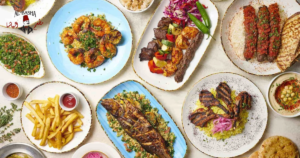
In many Western meals, you order your plate, and that’s it. In the Middle East, meals unfold slowly. Dips arrive first, then come in salads, and grilled meats come last. Afterwards, dessert somehow still fits. The best part, probably, is that nobody eats alone.
What struck me most was how Middle Eastern food is designed for sharing, scooping, tearing bread, passing plates, and tasting everything. It naturally slows you down. You talk more. You notice flavors more. Kids get curious instead of picky because everything feels communal. That’s part of why these dishes have become so loved in the U.S. They’re comforting without being heavy. Flavorful without being overwhelming.
Hummus: The Quiet Hero of Every Table
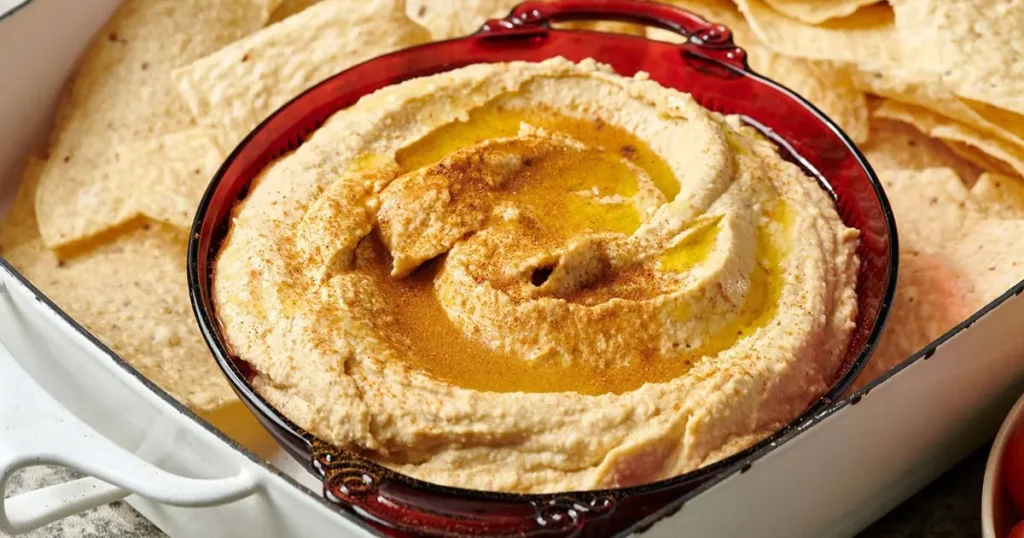
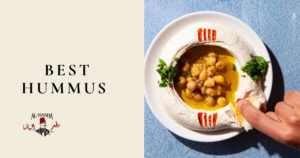
I used to think hummus was just a dip. Then I watched it being made fresh, chickpeas still warm, garlic crushed by hand, lemon squeezed right into the bowl. The texture was softer than anything from a store. The flavor is brighter and almost alive. In homes across the region, hummus isn’t a side; you may find people having it for breakfast or for lunch.
It’s the perfect appetizer and often shows up whenever guests arrive. People drizzle olive oil on it like it’s an art form. They scoop it up with bread, pita chips, and keep conversations going. If you’re introducing kids to Middle Eastern dishes, hummus is usually where curiosity starts. It’s familiar enough to feel safe but flavorful enough to feel new.
Shawarma: The Smell That Pulls You Down the Street
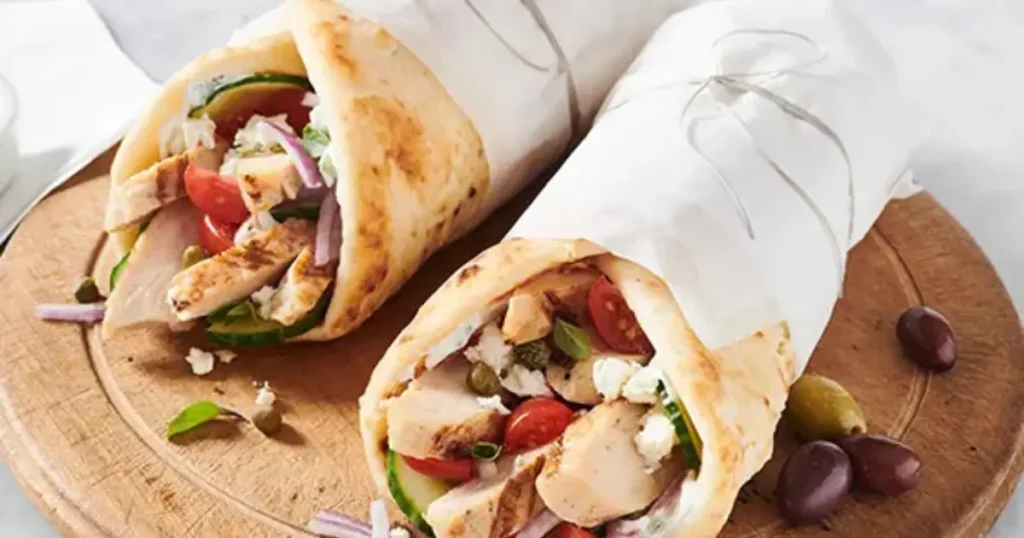
Every city I stayed in, whether in Jordan or Turkey, had that smell. Spiced meat slowly rotating, crisping at the edges, juices dripping down. You’d follow it without realizing. Shawarma isn’t fancy. It’s wrapped in bread, topped with garlic sauce or tahini, maybe a few pickles for crunch. But the flavor is layered, smoky, warm, slightly tangy. If your family likes wraps or sandwiches, shawarma is one of the easiest Middle Eastern foods to fall in love with.
Middle Eastern Salads That Don’t Feel Like “just Salad”
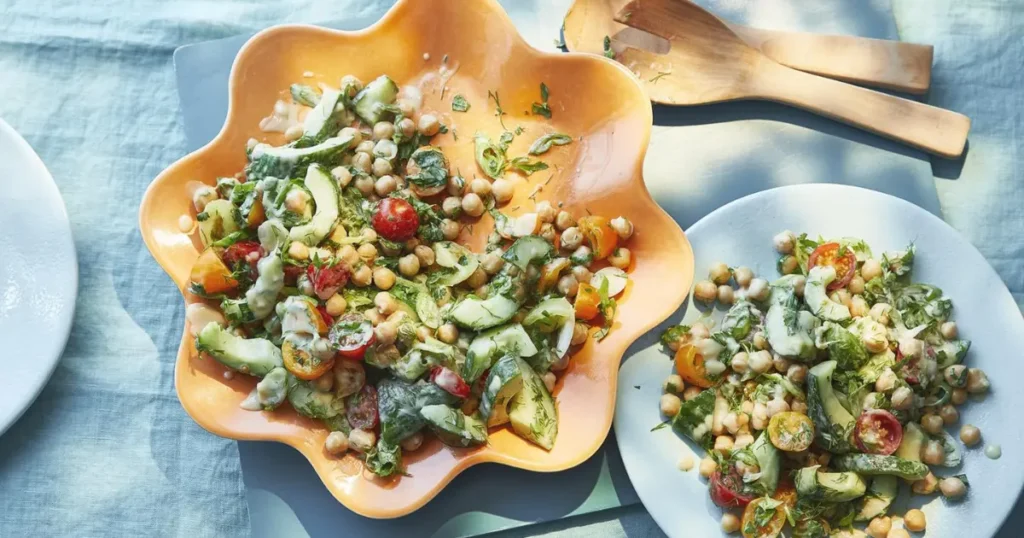
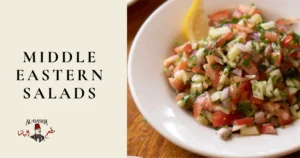
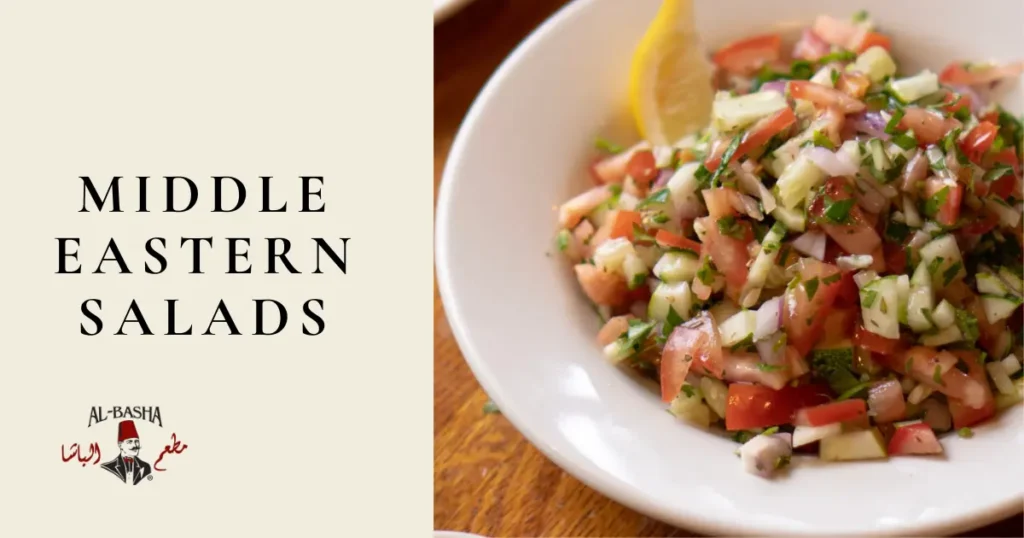
What surprised me most was how much care goes into what many of us would call a side dish. Middle Eastern salad isn’t about heavy dressings. It’s about freshness, herbs chopped small, lemon squeezed right before serving, olive oil poured slowly. Tabbouleh, in particular, feels like summer in a bowl. Parsley-heavy, bright, and refreshing. Kids who normally push greens away often start nibbling because they taste light instead of bitter. It balances the richer dishes beautifully.
Typical Middle Eastern Food Revolves Around Bread
If there’s one thing always on the table, it’s bread. Warm flatbread arrives in baskets, often puffed and soft enough to tear with your fingers. It replaces forks. You scoop hummus, grab meat, wrap salad, and build each bite yourself.
That interactive part makes meals feel relaxed, especially for children who like to “make” their food. Bread isn’t filler here. It’s the foundation.
The Grilled Heart of Middle Eastern Dishes
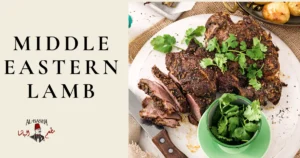
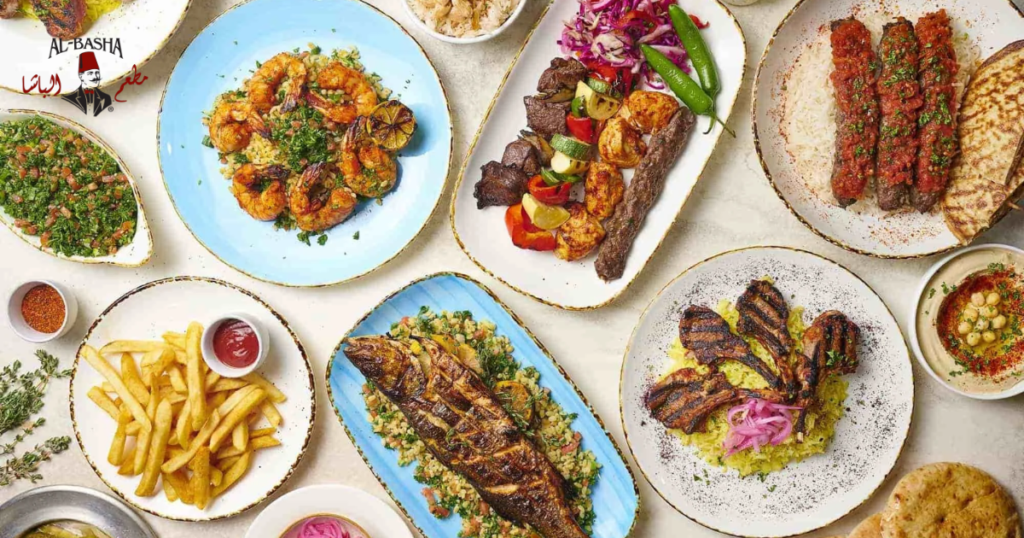
When dinner finally arrives, it often looks something like this: skewers of chicken, lamb, or beef cooked over open flames, light seasoning that lets the meat itself shine, rice or flatbread on the side instead of heavy sauces, and simple yogurt or garlic dips for contrast.
These kebabs are juicy, smoky, and incredibly comforting. They’re not drowned in sugar or grease, just well-seasoned and grilled properly. If you’ve ever wondered why Middle Eastern food feels satisfying without making you sluggish, this is a big reason.
What is the Staple Meat in the Middle East?
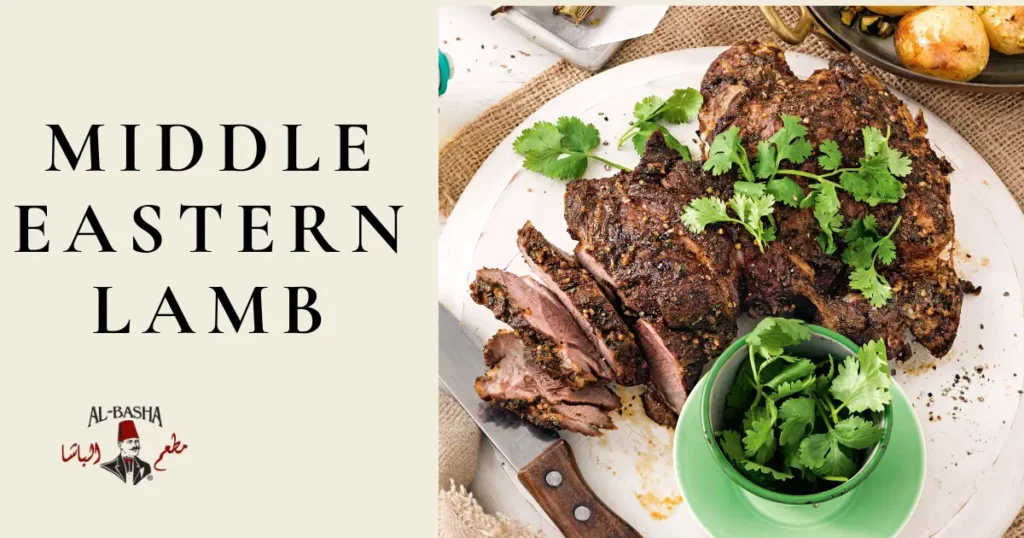
This comes up a lot when families explore new cuisines. Here’s the simple reality. Chicken is by far the most everyday choice. Lamb is traditional and deeply rooted. Beef is very common in modern cooking. Pork is generally not used due to cultural and religious practices.
Chicken ends up being the most widely eaten because it’s affordable, adaptable, and works with almost every spice blend. Lamb shows up more during gatherings and special meals. If you’re easing kids into Middle Eastern food, chicken dishes are usually the smoothest start.
A Quick Look at Popular Middle Eastern Dishes
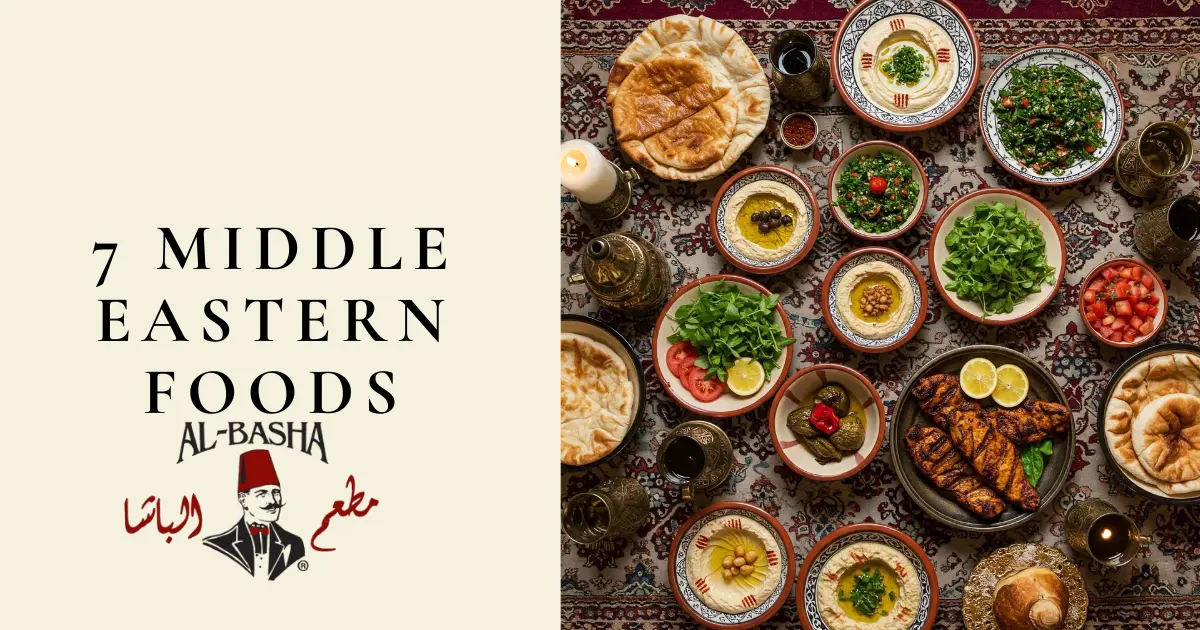
Hummus is a creamy chickpea spread that’s mild, healthy, and kid-friendly. Shawarma is a spiced meat wrap with a familiar sandwich style. Tabbouleh is a fresh herb salad that’s light and refreshing. Kebabs are grilled meats that are smoky and juicy. Falafel are crispy chickpea balls that are crunchy and fun. Baklava is a sweet layered pastry that’s rich but not heavy. Each one feels different, but together they create that balanced Middle Eastern table.
Falafel: Crunchy Outside, Soft Inside Magic
The first time I tried falafel fresh from the fryer, I finally understood the hype. The outside crackles. The inside is green with herbs and soft like mashed potatoes. They’re filling without being heavy. In many homes, falafel nights replace meat entirely, and nobody misses it. For parents, falafel is often the surprise winner. Kids love the crunch, and you can wrap it like a mini sandwich.
Arabian Dishes Aren’t Spicy; They’re Layered
One common fear you might come across is that Middle Eastern food might be too hot or intense. In reality, most flavors are warm, not spicy. Think cumin, garlic, lemon, cinnamon, paprika, flavors that build depth instead of burn. Even dishes with chili are usually balanced with yogurt or herbs. It’s one of the reasons Middle Eastern food adapts so easily to American tastes.
Dessert Without Sugar Overload
Baklava looks heavy, but one piece is usually enough. Thin pastry layers, chopped nuts, a light honey syrup, it’s rich without being cloying. Families often serve it with tea, slowly, not rushed. Kids tend to love it immediately. Adults appreciate that it doesn’t feel like a sugar crash.
Why Middle Eastern Cuisine Works So Well for Families
After living around it, here’s what stands out. Meals are balanced naturally. Vegetables show up without being forced. Proteins are grilled instead of fried. Flavors are comforting, not overwhelming. It’s food that feels indulgent but still nourishing.
If you want deeper cultural insight into how these meals are traditionally shared, this guide from the Middle East Institute explains it beautifully.And if you’re curious about the health side of Mediterranean-style eating, Harvard’s breakdown is helpful.
Bringing Middle Eastern Food Into Everyday Life
You don’t need to recreate giant spreads. You can start simple, try hummus with veggies after school, swap grilled chicken for shawarma spices one night, or add tabbouleh next to dinner instead of a heavy side. Over time, it becomes familiar and often requested.
Final Thoughts
When you experience Middle Eastern foods, you realize it isn’t about exotic flavors; it’s about togetherness. It’s about slowing down and sharing plates. Letting kids explore and letting meals become moments.
And maybe that’s why these dishes have quietly woven themselves into American homes, because they feed more than just hunger. If you’re thinking of introducing your family to typical Middle Eastern food, you’re not just adding new recipes. You’re adding a whole new way of eating together.