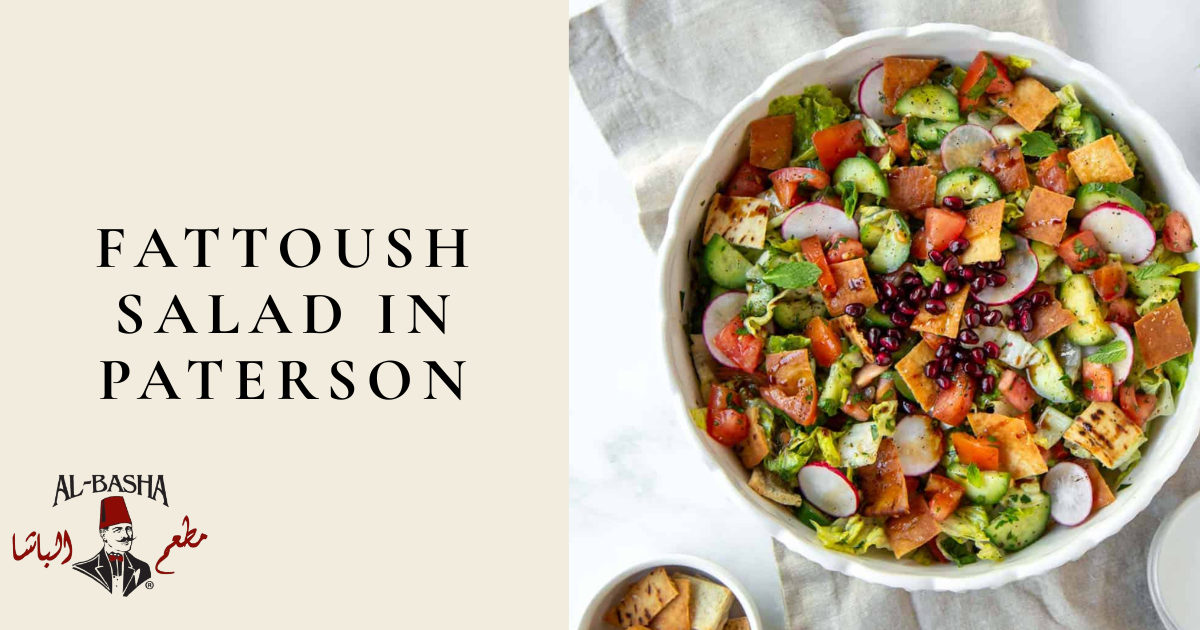

Here is a thing I have noticed about fattoush salad. People who grow up eating it take it completely for granted. People who discover it as adults cannot stop thinking about it. I fell into the second group and spent an embarrassing amount of time trying to figure out why mine never tasted quite right before someone finally explained the sumac situation to me.
That conversation saved my fattoush. Hopefully, this one saves yours.
What Is Fattoush Salad and What Makes It Actually Work
Short answer: It is a Levantine bread salad. Longer answer, it is one of the cleverest things Lebanese home cooking has ever produced.
The name traces back to the Arabic word “fatt” which means to break or crumble bread. And that is exactly what this dish started as. Farmers and home cooks with stale pita lying around would tear it up, get it crispy in a pan or an oven, and throw it through whatever vegetables were coming out of the garden that day. Sharp dressing over the top, lots of fresh herbs, done.
Nothing about that origin story sounds revolutionary. But the result is somehow. Because what you end up with is a salad that has genuine textural contrast, something most salads completely lack. Levantine home cooking has ever produced.
Fattoush Ingredients: What Goes In and Why It Actually Matters
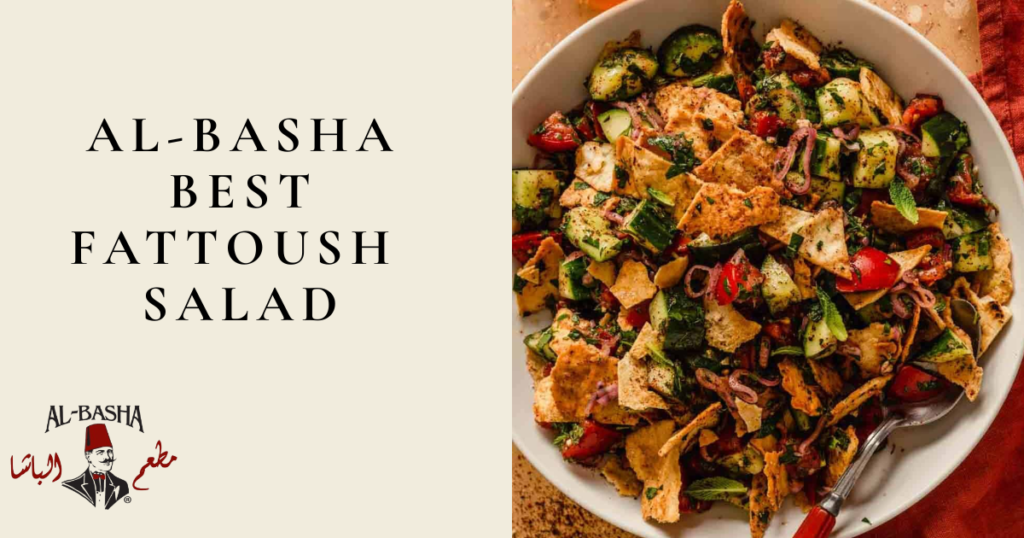
Knowing why each fattoush ingredient is there changes how you shop for it and how you handle it. So quickly.
Romaine holds its structure under dressing, where softer lettuce falls apart. Cherry tomatoes bring concentrated sweetness and do not go mushy when tossed. Persian cucumber has barely any seeds and thin enough skin that peeling is optional. Radishes get skipped by almost everyone, and that is genuinely a shame because they add a peppery sharpness and color that makes the bowl look like you knew what you were doing. Fresh parsley and mint in real quantities, not a finishing sprinkle but actual handfuls, especially the mint, which lifts the whole salad in a way nothing else does. Green onions quietly round everything out.
The pita is a whole separate thing. Coming up next.
Here is the fattoush ingredients breakdown at a glance:
| Ingredient | Purpose in the Salad |
| Romaine lettuce | Sturdy base that holds the dressing well |
| Cherry tomatoes | Sweetness and concentrated flavor |
| Persian cucumber | Cool crunch without excess water |
| Radishes | Peppery bite and color contrast |
| Fresh parsley | Herby backbone of the flavor |
| Fresh mint | Lifts and brightens the whole dish |
| Green onions | Mild sharpness without heat |
| Toasted pita | Crunch and the defining texture element |
| Sumac | Sour citrusy punch in the dressing |
| Olive oil and lemon | Dressing base that ties everything together |
The Best Pita Bread for Fattoush and How to Get It Right
Thin pita. That is the answer. Not the thick fluffy kind, the thinner flatbread style that crisps up properly when you toast it.
And here is something counterintuitive. Day old pita that has dried out a bit actually works better than fresh pita for this. Fresh pita has moisture in it that fights against getting crispy. Slightly stale pita crisps up faster and more evenly. So if yours has been sitting out since yesterday that is genuinely fine.
Cut or tear it into rough pieces. Toss with olive oil and a pinch of salt. Either bake at 375 degrees for around 10 minutes until golden or fry in a pan with a little oil for a richer result. Both work. The fried version is honestly better but the baked version is easier and still great.
Most important rule with the pita: add it last, right before serving. The second it touches the dressing it starts absorbing moisture and softening. Some people like that, the slightly chewy pita that has soaked up a bit of the dressing. Most people want full crunch. If you want crunch, add it at the last possible moment.
Why Sumac Makes All the Difference
Sumac is the ingredient that separates a good fattoush from a great one. It is a deep red spice ground from dried berries and it has this sour almost lemony flavor that is completely its own thing. Nothing else tastes quite like it.
What most people miss is that sumac goes into the dressing and gets sprinkled on top at the end. Both. The dressing application gives you that background tartness woven through every bite. The finishing sprinkle gives you those little concentrated bursts of flavor when you hit a piece of pita or cucumber that has a bit more on it.
You can find sumac at most Levantine or Middle Eastern grocery stores or online without any trouble. If you are in a pinch some people substitute extra lemon juice, but honestly, the flavor is not the same. Sumac has a depth to it that lemon alone cannot replicate. It is worth tracking down the real thing. Sumac is one of the most versatile spices, you can use it in a variety of ways, for instance you may use its citrus notes to balance the sweetness of peas in a spring pea and feta salad. in Middle Eastern cooking and is increasingly available in mainstream grocery stores across the US.
The Best Pita Bread for Fattoush
Not all pita is created equal for this purpose. Here is the thing, thinner pita crisps up better and gives you that shatteringly crunchy texture that makes fattoush so satisfying. Thicker pita tends to stay a bit chewy in the middle even after toasting, which is fine but not ideal.
Day old pita actually works better than fresh for this. Fresh pita has more moisture in it and takes longer to crisp up properly. If your pita is slightly stale, that is not a problem at all. It is actually an advantage.
To prep your pita, tear or cut it into rough pieces, brush or toss with olive oil and a pinch of salt, and either bake at 375 degrees for about 10 minutes until golden and crisp or fry in a shallow pan for a richer flavor. Fried pita chips take the salad to another level if you are not worried about keeping things light. Both work beautifully.
One important thing: do not add the pita to the salad until right before serving. The moment it hits the dressing it starts absorbing moisture and softening. Some people like a slightly softened pita chip after a few minutes of sitting. Most people want full crunch. Add it last and serve immediately for maximum texture.
Step-by-Step Recipe Fattoush Salad
This comes together in about 15 minutes once your pita is toasted. So let’s get into it.
- Start by making the dressing. Whisk together three tablespoons of olive oil, two tablespoons of fresh lemon juice, one teaspoon of sumac, half a teaspoon of dried mint, a small crushed garlic clove, salt and pepper to taste. Set that aside while you prep everything else.
- Chop your romaine into bite sized pieces. Halve your cherry tomatoes. Slice your cucumber into half moons. Thinly slice your radishes. Roughly chop a generous handful each of fresh parsley and mint. Slice your green onions.
- Add everything to a large bowl. Pour the dressing over and toss well so every leaf and vegetable is coated.
- Add your toasted pita chips on top, give everything one gentle final toss, finish with an extra sprinkle of sumac and serve immediately.
That is genuinely it. Simple but specific, which is the best kind of recipe.
Common Mistakes People Make With Fattoush
So here is where most recipes just stop. But these are the things that actually determine whether your fattoush is good or great.
Watery vegetables are the most common issue. If your tomatoes or cucumber release a lot of liquid they dilute the dressing and make everything soggy. Salting your cucumber lightly and letting it sit for ten minutes before rinsing and adding it to the salad pulls out excess moisture.
Too little sumac. People are often timid with it the first time because they are not sure how it will taste. Do not be. It is the backbone of the dressing and the finishing touch. Be generous.
Adding pita too early. Already covered this but it bears repeating because it genuinely ruins the texture that makes fattoush special.
Skipping the fresh mint. Dried mint goes in the dressing but fresh mint in the salad is a completely different contribution. Do not skip it or treat it as optional.
Using a blander olive oil. The dressing is simple so the quality of your olive oil shows up clearly. Use one you actually enjoy the taste of.
Mediterranean Fattoush Variations Worth Trying
The classic Levantine version is what we have covered above. But fattoush varies across the Mediterranean and Middle East in some interesting ways.
Some versions add pomegranate seeds for bursts of sweetness and color. Some include purslane, a slightly succulent herb that is traditional in older Lebanese recipes and adds a mild tartness. Some versions in Syria add a touch of pomegranate molasses to the dressing alongside the lemon which deepens the flavor considerably.
You can also make a heartier version by adding grilled halloumi or chickpeas on top which turns it from a side salad into a main dish without much extra effort.
Fattoush is one of the most adaptable salads in Lebanese cuisine precisely because the core concept, toasted bread and fresh vegetables with a sharp dressing, accommodates so many variations while still tasting distinctly.
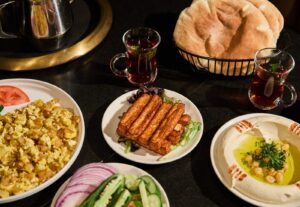
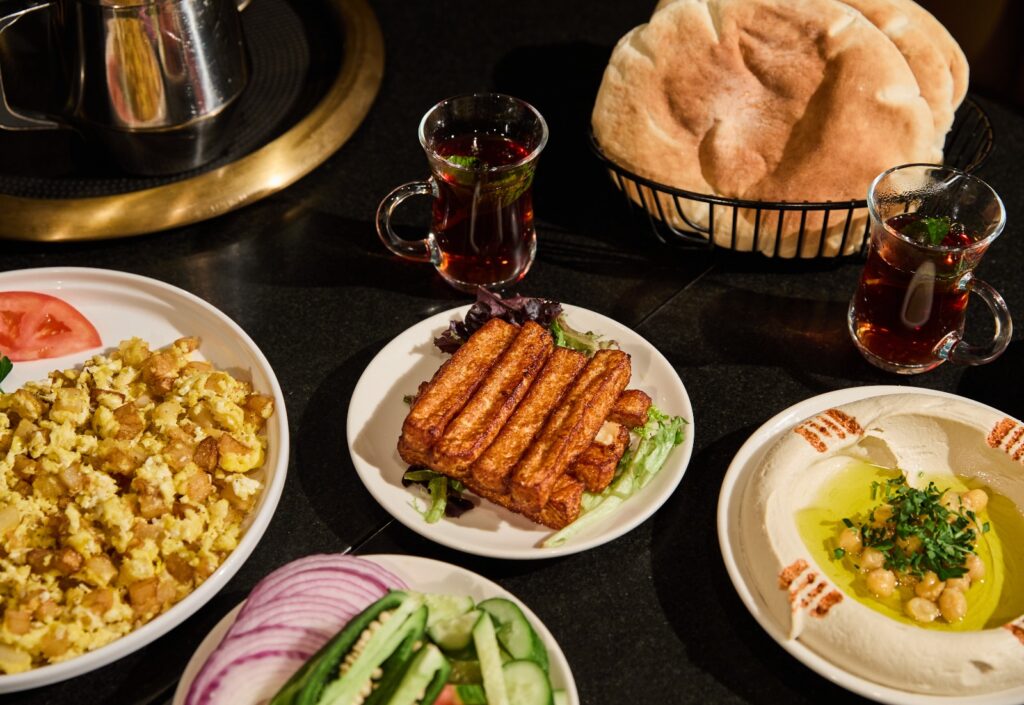
Levantine salads like fattoush are rarely served on their own. They’re part of a larger mezze spread, the kind of experience you get at Al Basha, where multiple dishes come together and each bite complements the next.
Pro Tips for Better Flavor Every Time
- Let the dressing sit for five minutes before tossing it through the salad. The garlic mellows and the sumac hydrates slightly which gives you a more cohesive flavor.
- Use your hands to toss rather than tongs. It sounds small but it helps you feel when everything is evenly coated without over-bruising the lettuce.
- Taste as you go. Every tomato and every lemon is different. Your dressing might need a touch more lemon or a pinch more salt depending on what you are working with that day.
- Make the components ahead but assemble at the last minute. You can have everything chopped, dressing made, and pita toasted and ready to go, then put it together right before you sit down.
Conclusion
Honestly, the first time you nail this recipe you will wonder why you ever bought store bought salad. Fattoush salad has that effect on people. It is simple enough for a Tuesday and impressive enough for company, and once you get the sumac and the pita timing down it just becomes part of your regular rotation without any fuss.
More authentic Levantine recipes and everything you need to make them are waiting for you at Al-Basha Paterson.
FAQS
What is fattoush salad made of?
It is a Lebanese salad made with fresh vegetables, herbs, toasted pita bread, and a tangy dressing built around sumac and lemon.
Can I make fattoush salad ahead of time?
Prep everything separately and assemble right before serving so the pita stays crispy and the vegetables do not go soggy.
What does sumac taste like in fattoush?
It is sour and slightly fruity, similar to lemon but with more depth, and it is the flavor that makes fattoush taste itself distinctly.
What can I use instead of pita bread for fattoush?
Any flatbread works in a pinch, but pita gives the most authentic texture; thin lavash crackers are the closest substitute.
Is fattoush salad healthy?
Yes, it is packed with fresh vegetables, uses olive oil, and is naturally low in calories while being genuinely filling.