
You type “halal Arabic food near me,” and what comes back is mostly noise. Chain spots. Fast-casual wraps with a falafel thrown in. Places calling themselves Mediterranean because it sounds safer to a wider crowd. If you’ve eaten real Arabic food before, you already know none of that is what you’re looking for.
If you’re in New Jersey and you want the actual thing, this is the guide. We’re going to cover what makes Arabic food worth eating, how to spot the real from the fake, and why people across NJ keep ending up at the same address in Paterson.
What’s Traditional Arabic Food?
The shawarma marinates overnight. Not for an hour. The hummus starts with dried chickpeas soaked for hours before anything else happens. Pita gets baked fresh the same day it’s served. Grape leaves are rolled by hand, one by one.
That’s what traditional Arabic food looks like behind the kitchen door. It takes time, and most restaurants simply don’t give it that.
Authentic or Not?
Authentic isn’t a vibe or a logo. It’s a method. Food authenticity is tied directly to how something is prepared and where its ingredients come from. Not the name on the sign. Not the decor.
A lot of restaurants use the word authentic because it converts well on Google. That’s not the same thing as earning it. The ones that have earned it aren’t spending money on the world. They’re spending it on the chickpeas, the lamb, and the time.
How to Tell Even Before You Sit Down
Walk in. Take a breath. A real Arabic kitchen hits you with cumin, allspice, sumac, coriander, and slow-rendered lamb fat before you’ve touched a menu. That smell is not something you can fake with a spice rack and pre-made mix.
If it smells like a generic grill, it probably is one. Trust your nose before you trust the menu.
Your First Time? Eat This
Skip the safe options. Go straight for the mixed grill, the hummus made in-house, and the falafel if they make it to order. These three things together tell you everything about what a kitchen can do.
If the hummus is warm, the falafel is green inside, and the meat has real char on it, you’ve found the right place. That combination is what people mean when they say Arabic food changed how they eat.
The Dishes That Keep People Coming Back
Kibbeh. Warak dawali, hand-rolled grape leaves. Shawarma carved off a real vertical rotisserie. These are the dishes first-timers don’t expect and then can’t stop thinking about.
They’re also the ones that separate a real Arabic kitchen from a restaurant just using the label. Most places skip kibbeh because it’s hard to make. The ones that don’t are worth your time.
What to Order If You’re New to Arabic Food
Don’t show up blind. These are the dishes that define Arabic food in the Levantine tradition, and the ones that tell you immediately whether a kitchen knows what it’s doing.
Hummus
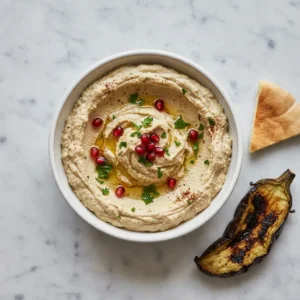
Most people think they’ve had hummus. Most people haven’t had real hummus. The version made from dried chickpeas soaked overnight, blended slowly with tahini, fresh lemon, and raw garlic, served warm with olive oil on top, that’s a completely different thing from what comes out of a plastic tub.
At Al-Basha, hummus is made fresh every single day. Regulars order it every visit without thinking twice. If you want to know what pairs best with it, that’s worth reading before you go.
Shawarma
Shawarma is everywhere in the US right now. Real shawarma is not. The real version marinates overnight, stacks on a vertical rotisserie, and gets shaved to order. The wrap comes with toum, pickles, and fresh tomato. If the meat was pre-sliced and sitting in a warmer before it hit your plate, that’s just meat in a wrap. Don’t confuse the two.
Falafel
The dense, gray, flavorless falafel most Americans have tried is made from canned chickpeas and a pre-made mix. Real falafel is soaked chickpeas blended with fresh herbs, shaped by hand, and fried to order. Dark and crispy outside. Bright green and fragrant inside. Night and day.
Try it with different dips, wraps, and sides, and you’ll quickly understand why people who grew up eating this can’t take the American version seriously.
Kibbeh
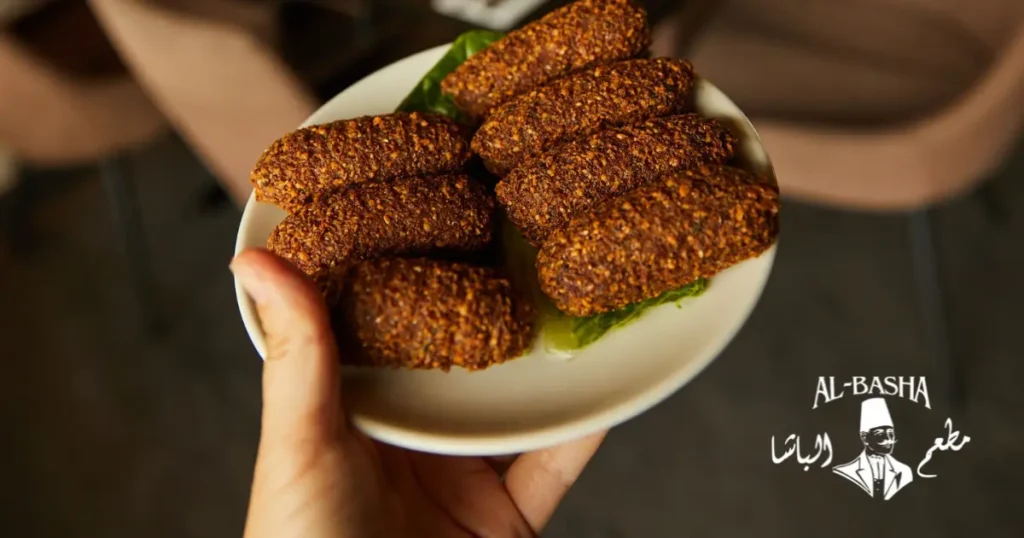
Ground lamb, bulgur wheat, spices, shaped into ovals and fried. One of the oldest preparations in Levantine cooking and one of the first things most restaurants quietly drop because it’s hard to make consistently. If a place still makes kibbeh from scratch, pay attention. That kitchen cares.
Grape Leaves
Hand-rolled, stuffed with rice, parsley, tomato, lemon, and sometimes ground meat, then simmered low and slow. You cannot rush grape leaves. The ones done right are tender all the way through and fragrant from the inside out. They also tell you exactly how much patience a kitchen has.
Mixed Grill Platter
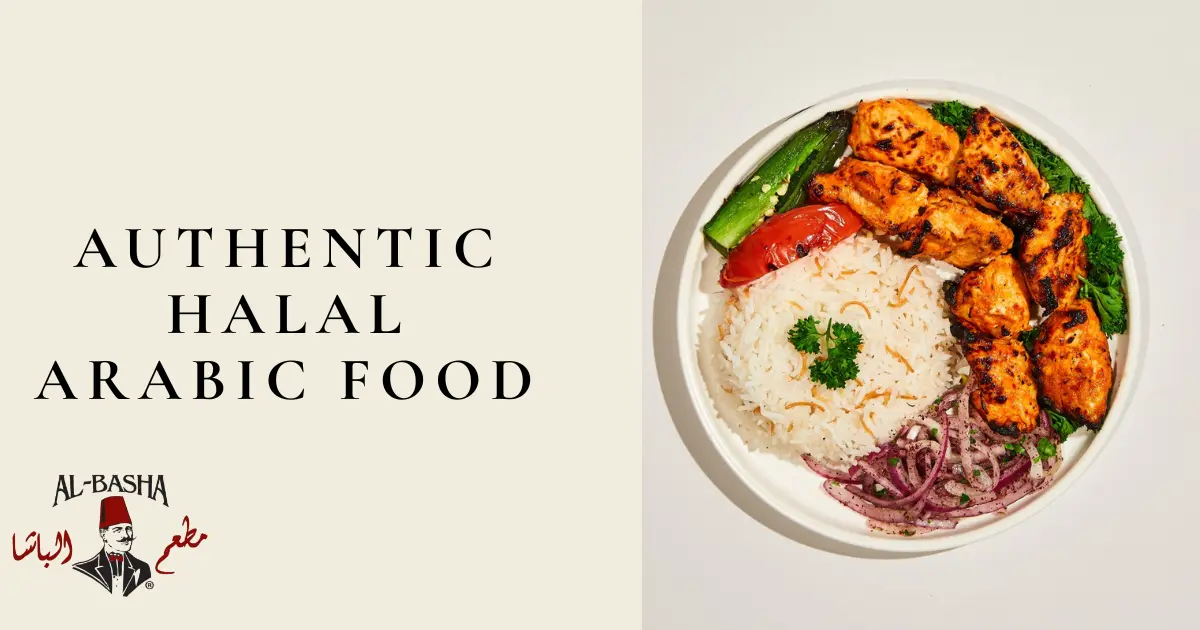
This is the one people drive back for. Kebabs, kofta, shish tawook, lamb chops, all off a real charcoal grill, with rice, fresh salads, and warm bread. When it’s right, nothing is dry, nothing needs extra sauce, and the char is real. It’s the single best order for understanding what a kitchen is actually capable of.
Searching for Halal Arabic Food Near Me? Read This First
For the Muslim community across New Jersey, halal isn’t a preference. It’s a requirement. Halal means the animal was slaughtered according to Islamic law, no alcohol was used in cooking, and nothing prohibited enters the kitchen. It’s a complete standard, not just a label.
The problem is that halal has become a marketing tool. Restaurants put it on the sign without third-party verification, and customers have no way to confirm it without asking directly. According to the Islamic Food and Nutrition Council of America, proper halal certification involves regular audits, documented sourcing, and consistent oversight. A sticker in the window doesn’t mean any of that happened.
When you’re searching for halal Arabic food near me in NJ, the question to ask is whether halal is built into how the kitchen operates, or whether it’s just on the sign to pull in customers. At Al-Basha, halal has been the standard since day one. Not a response to demand. Not a marketing call. Just how the kitchen was built and how it still runs.
Why Paterson, NJ Is Where This Search Actually Ends
Paterson has one of the highest concentrations of Palestinian and Arab-American families in the country. Main Street has Arabic bakeries, halal butchers, sweets shops with fresh knafeh, and restaurants that have been cooking this food for decades. The community that settled here came from the West Bank and brought their food traditions with them intact.
That’s why the best Arabic food in NJ is in Paterson, not in a polished restaurant near a highway exit. It’s here because the people who make it grew up eating it.
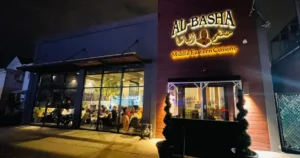
Among everything Paterson has to offer, Al-Basha is the name that comes up consistently. Two locations, one for dine-in at 387 Crooks Ave and one for takeout and delivery at 1076 Main St. The mixed grill tastes the way it does back in Ramallah. The hummus is made the way it’s been made for generations. People drive from across the state for it and leave having already planned their next visit.
Don’t Know What to Order at Al-Basha?
First visit, and the menu feels like a lot? Start here.
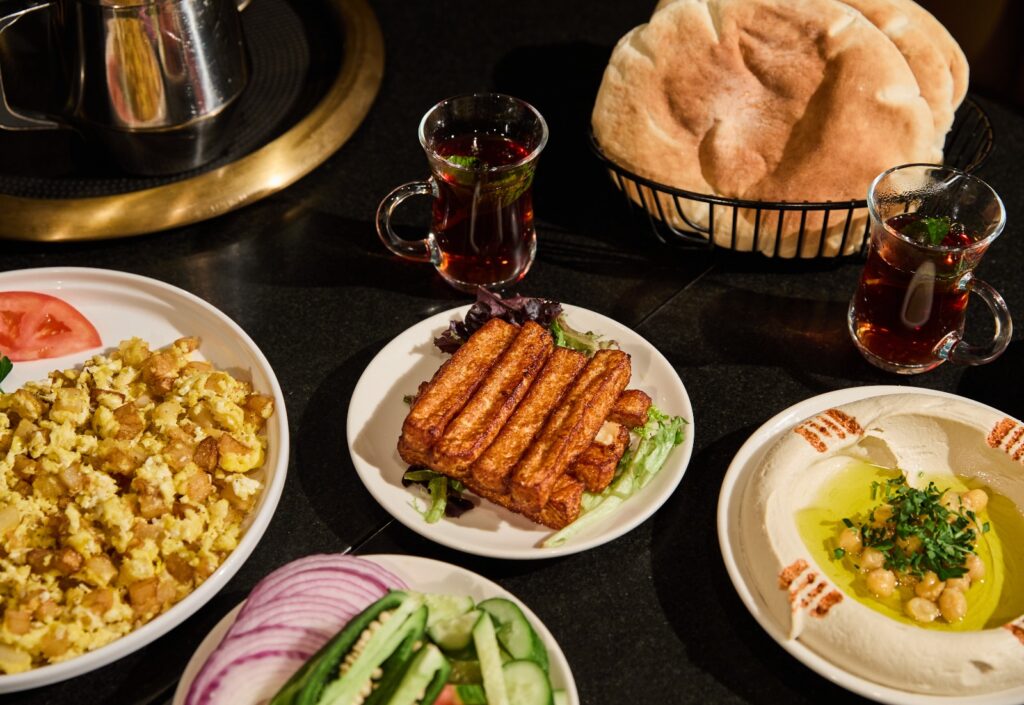
Hummus first. It comes with olive oil and fresh pita. Not optional. It tells you what kind of kitchen you’re in before anything else arrives.
Mixed grill if you eat meat. It’s the most complete single order on the menu and the clearest picture of what the kitchen can do.
Falafel on the side. Made to order. Crispy outside, herb-green inside. Eat it with the garlic sauce.
Fattoush or tabbouleh alongside. Both cut through the richness of the grill and keep the meal balanced. If you want to understand how these traditional Arabic salads fit into a full spread, that’s worth reading.
Knafeh to finish if it’s available. Shredded wheat, sweet cheese, sugar syrup. One of the most iconic sweets in traditional Arabic food, and genuinely one of the best things you’ll eat in NJ if it’s made right. At Al-Basha it is.
Looking for Arabic Food Delivery in NJ?
Delivery is where a lot of Arabic restaurants fall apart. Pita goes soft. Falafel loses its crunch. Hummus separates in the container. These aren’t small complaints. They mean the food arriving at your door isn’t the food you actually ordered.
Al-Basha has figured out the packaging. The hummus arrives intact. The bread holds its heat without steaming itself apart. The proteins stay warm without going soggy. When it’s done right, you don’t notice it. When it’s done wrong, you notice immediately.
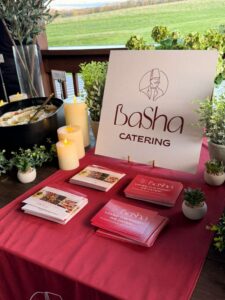
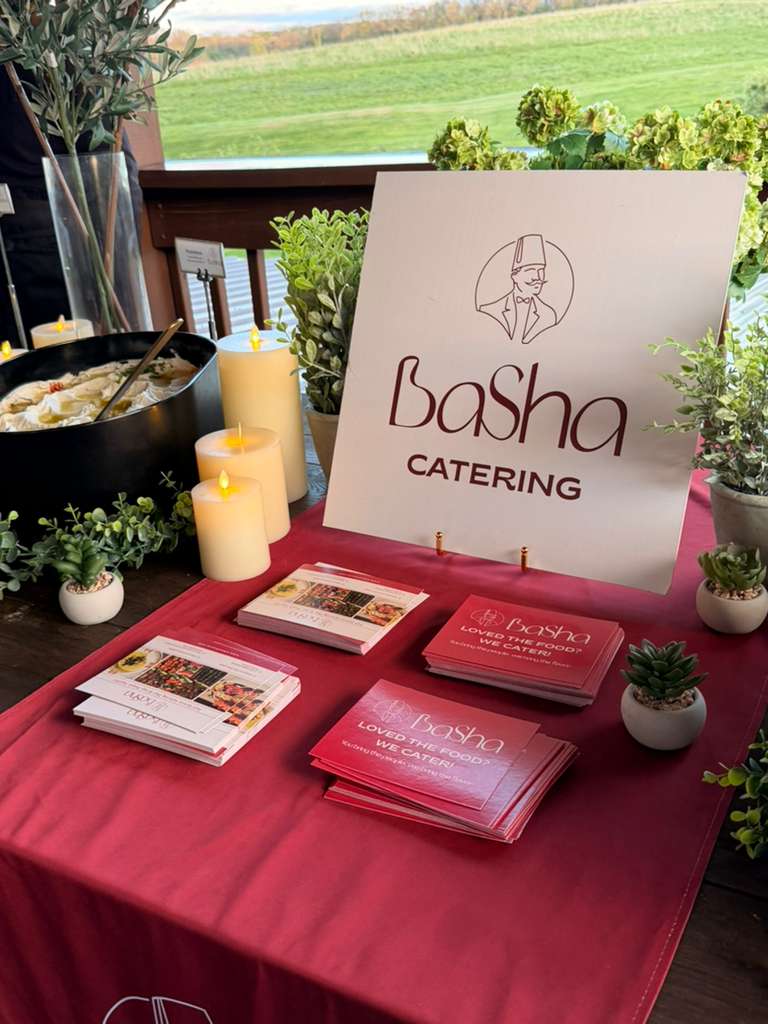
Order through Grubhub or Uber Eats, or go directly through the online ordering page for the fastest turnaround. Planning something bigger? The catering page covers large group orders and everything that comes with them.
So, Where Does the Search for Arabic Food Near Me End?
Paterson. Specifically, Al-Basha. Not because it has the most followers online. Because the food is made the way it’s supposed to be made. Halal, fresh, consistent, and cooked by people who grew up eating this food and know what it’s supposed to taste like. That combination is harder to find than it should be, and it matters more than any marketing ever could.
The best Arabic food in NJ isn’t hiding. It’s at 387 Crooks Ave and 1076 Main St, Paterson. Go find out for yourself.
FAQ
Is Al-Basha in Paterson fully halal?
Yes. Halal isn’t a label Al-Basha added for marketing. It’s how the kitchen has operated from the beginning. Every cut of meat meets halal standards, and that hasn’t changed.
Where exactly is Al-Basha located?
Two locations in Paterson, NJ. Dine-in at 387 Crooks Ave. Takeout and delivery at 1076 Main St. Both are in Paterson, which is about 20 minutes from most parts of North Jersey.
What should I order on my first visit?
Start with hummus and pita, add a mixed grill platter, and get falafel on the side. Those three together give you the clearest picture of what the kitchen does. Finish with knafeh if it’s on.
Does Al-Basha deliver?
Yes, through Grubhub, Uber Eats, and their own online ordering page. The packaging is good enough that the food actually arrives the way it’s supposed to.
How is real Arabic food different from what most US restaurants serve?
Preparation. Real Arabic food is slow, ingredient-driven, and made fresh. Most US restaurants shortcut the marinade, the hummus base, and the bread. The difference is immediately obvious if you’ve had the real version even once.
Is Arabic food a good option for large group dinners?
It’s one of the best. The mezze format, shared platters, and range of dishes make it natural for groups. Al-Basha also handles catering for events if you want the food brought to you.